 Information
Launch: 1954
Sponsor: Ministry of Industry and Information Technology
Organizer: Harbin Institute of Technology
Publish: Journal Editing Department of Harbin Institute of Technology
Director of editorial board: Han Jiecai
Chief Editor: Li Longqiu
Address:Box 136, 92 Xidazhi Street, Nangang District, Harbin
Postcode: 150001
Email: hitxuebao@hit.edu.cn
ISSN: 0367-6234
CN: 23-1235/T

- Current Issue
- Online First
- Archive
- E-Book
- Special Issue
- Reviews
- Download Ranking
- Citation Ranking
-
YAN Zuoguang, WU Shaopeng, YANG Yubin, HUANG Mengting, ZHANG Meng
2026,58(5):1-10, DOI: 10.11918/202506020
Abstract:
To resolve the stator overheat problem of the stator permanent magnet dual-rotor high-speed electrical machine (SPMDR-HSEM) due to its mustered heats source and high-speed operation condition, a 2D-3D hybrid thermal network model (HTNM) is built to analyze the temperature field of the electrical machine, and an integrated structure with magnetic isolation and cooling functions (IS-MIC) is proposed for accurately calculating the machine temperature and improving the machine heat dissipation capacity. Firstly, the topology of the SPMDR-HSEM is introduced, and its heat transfer mechanism is analyzed, as well as the conduction and convection heat coefficients are given. Secondly, for the problem of complex structure of the SPMDR-HSEM and the difficulty in calculating the temperature fast and accurately, the 2D-3D HTNM is proposed to analytically calculate the key components temperature rise of the SPMDR-HSEM under rated and overload conditions, its temperature distribution characteristics are summarized. And a test plat is established and the experimental tests are conducted, which verify the accuracy of the HTNM. Then, the IS-MIC is proposed to solve the heat dissipation problem of the SPMDR-HSEM, and the influence of the structure parameters and water flow velocity of the IS-MIC on the cooling effect is investigated, and the optimal structure of the IS-MIC is designed. And the finite element analysis is carried out to verify the effectiveness and rationality of the IS-MIC. It broadens the application field and provides a new temperature field analysis and cooling structure design method for the stator permanent magnet electrical machines.
-
ZHANG Zhenghao, GAO Fengyang, YUE Wenhan, GAO Jianning, CHEN Zhanjiang
2026,58(5):11-24, DOI: 10.11918/202504041
Abstract:
To address the challenges of electromagnetic characteristics regulation and vibration-noise suppression in memory motors, this paper proposes a novel composite topology structure. This design incorporates auxiliary slots in both the stator and rotor, utilizes NdFeB-AlNiCo hybrid permanent magnets to construct a dynamically reconfigurable magnetic circuit, and employs a segmented Halbach magnetization configuration. First, an equivalent magnetic circuit analytical model and a transient electromagnetic-mechanical coupled finite element model are established for the memory motor, enabling the derivation of analytical expressions for vibration and noise. Second, accounting for diverse performance requirements under multiple magnetization states, a hierarchical optimization strategy based on parametric sensitivity weighting is developed for extreme operating conditions. Using this method, the structural parameters of the proposed topology are optimized. Finally, multiphysics co-simulation integrating electromagnetic, structural, and acoustic domains is performed. Electromagnetic validation results demonstrate that the optimized motor maintains stable torque output characteristics across a wide flux-regulation range. Comparative studies reveal that compared to the baseline motor, the proposed design significantly enhances electromagnetic performance under multiple magnetization states while effectively suppressing peak vibration acceleration in stator teeth, reducing sound pressure levels, and achieving superior resonance frequency avoidance characteristics. This approach comprehensively optimizes the motors vibroacoustic behavior.
-
JIN Zhigang, DING Yu, WU Xiaodong, CHEN Xuyang
2026,58(5):25-32, DOI: 10.11918/202504085
Abstract:
Intrusion detection systems (IDS) face security challenges of generative model inversion attacks. And Federated GAN Attacks are the particularly characteristic data security threat to federated IDS. To improve data privacy in federated IDS, a universal privacy-enhanced federated intrusion detection (PEFID) method is proposed and is validated in diverse attack-defense simulation scenarios. PEFID jointly enhances data privacy at both the feature level and the model level. From the feature level, an improved adaptive privacy enhancing module is proposed to adaptively adjust the regularization degree of representation learning to balance privacy protection and task learning. Besides, controllable perturbations are injected into the hidden variables to further degrade the traceability of the gradient. From the model level, a label smoothing strategy combined with prediction confidence is proposed to deal with label inversion. Each client can individually adjust the soft label value according to the prediction confidence, assigning victim data a more lenient soft label value to mitigate the consistent attack. Experimental results on the CICIDS2018 and UNSW-NB15 datasets show that PEFID can effectively resist federated GAN attacks in various network scenarios. Compared with other methods, PEFID can better balance privacy and performance with controllable time complexity. It can still maintain superior defensive efficacy even in the case of single point penetration. The proposed method is both universal and lightweight, which can be adapted to existing federated IDS to significantly enhance data privacy with minimal performance cost.
-
DI Jing, HUO Jingjing, WANG Heran, LIU Jizhao, LIAN Jing
2026,58(5):33-44, DOI: 10.11918/202507016
Abstract:
To address the challenges that denoising diffusion models struggle to adapt to varying noise levels and conventional residual blocks have limited feature selection capability in image fusion tasks, this paper constructs a multimodal image fusion network integrating dynamic gating diffusion denoising and cross-layer attention. Firstly, four groups of expert convolution kernels are designed and incorporated into the dynamic feature extractor module. The optimal convolution kernels are dynamically assembled based on input content, enabling adaptive processing of input features. Secondly, an improved gated feature selection module is proposed to generate gating signals that suppress irrelevant information, enhance the model’s diffusion denoising capability under different noise levels, and achieve precise feature control. Finally, R-Transformer blocks are adopted for feature adjustment. A global-local spatial attention module is constructed to realize cross-layer feature fusion, thereby generating fused images with rich texture information and high color fidelity. Experimental results on the MSRS, RoadScene, and Harvard datasets demonstrate that compared with 9 representative state-of-the-art methods in the field of image fusion in recent years, the proposed method achieves an average improvement of 5.11% to 15.93% across 7 objective evaluation metrics. The proposed method outperforms other counterparts in texture detail preservation and anatomical structure integrity maintenance, conforms to human visual perception characteristics, and can effectively handle multimodal image fusion tasks in scenarios such as various lighting environments and medical image diagnosis.
-
CHEN Siyuan, LIN Baochen, ZHANG Chunliang, XIAO Huigang
2026,58(5):45-53, DOI: 10.11918/202504073
Abstract:
Affected by the direction of temperature and moisture transfer, the damage development of mortar in the early freeze-thaw (F-T) stage exhibits spatial characteristics. However, existing F-T damage monitoring methods mostly focus on the overall average performance of specimens, ignoring the differences in local damage evolution. To quantitatively evaluate the influence of spatial position on the early F-T damage of mortar and further reveal its evolution mechanism, this paper proposed a real-time and in-situ strain monitoring method based on fiber bragg grating sensors and tested the strain at different spatial positions inside mortar during the early F-T stage. Results show that the strain amplitude in the upper layer of mortar is higher than that in the middle layer during the early F-T stage; with the increase of F-T cycles, the peak strain continues to rise, and residual strain appears; micro-morphology analysis results verify the reliability of using residual strain to judge the spatial difference of F-T damage. Based on this, this paper further established an early F-T damage evolution model considering spatial position. The comparative analysis results of macroscopic performance tests and local strain show that the damage of mortar in the early F-T stage is dominated by surface cracking. Although this phenomenon has little effect on the degradation of macroscopic performance, it can provide new transmission channels for environmental moisture to enter the interior of mortar, further aggravating the evolution of F-T damage.
-
2026,58(5):54-62, DOI: 10.11918/202509025
Abstract:
In order to solve the problems of ignoring the correlation between pixels in the deep learning fusion algorithm, which leads to the loss of important global texture in the fusion results, and the difficulty of balancing target highlight and scene enhancement, this paper proposed an infrared and visible image fusion algorithm guided by Taylor expansion and composite attention mechanism. Firstly, a Taylor expansion network was designed to decomposition the input image into a mapping layer and a derivative layer, so as to effectively extract the multi-level feature information of the image. Secondly, a dual-branch feature extraction network was used, in which the parallel convolutional network was responsible for capturing local detail features, and the SwinTransformer module focused on extracting global context information to ensure the efficient retention of local and global features. Then, the composite attention mechanism is introduced to further improve the accuracy of feature fusion. This mechanism fuses spatial dimensional features through axial attention, and uses channel attention to strengthen the feature response between channels, so as to achieve more refined feature selection and fusion. Finally, the fused image was obtained by image reconstruction. Experiments are carried out on the public datasets MSRS and RoadScene. The results show that the proposed method is not only more complete in maintaining texture details and global information, but also achieves significant advantages in objective indicators. The research results can provide new ideas for the field of deep learning image fusion.
-
TENG Zhijun, MIAO Runsheng, SUN Mingyang, LI Jiqi, ZHAO Liquan
2026,58(5):63-72, DOI: 10.11918/202504063
Abstract:
To defend against node replication attacks in wireless sensor networks and maintain network security and stability, this paper proposes a node replication attack detection strategy integrating node creditworthiness and identity authentication (NRADS-NC&IA). The approach begins by establishing a fuzzy comprehensive trust evaluation model. In the direct trust module, reputation maintenance function, anomaly attenuation factor and reward and punishment factor are introduced. The direct trust value of the node to be evaluated is calculated by comprehensively considering the influencing factors of communication attributes, data attributes, network attributes and physical attributes. A sliding time window mechanism is adopted to dynamically update node trust value, significantly enhancing the timeliness and accuracy of the evaluation. On this basis, a support function is applied to evaluate the credibility of nodes, effectively filtering out the deceptive behaviors of nodes and obtaining more reliable indirect trust values of nodes. The final comprehensive trust value of nodes is derived from the weighted summation of its direct and indirect trust values. Dynamic adaptive thresholds are adopted to screen suspicious nodes, and node ID comparisons are conducted among the suspicious nodes to obtain the determined replica nodes. Simulation results show that NRADS-NC&IA achieves detection rates of over 97% and 94% in static and mobile wireless sensor networks without relying on the spatial position information of nodes. The strategy exhibits strong environmental adaptability and can effectively deal with the security problems of wireless sensor networks in complex dynamic environments.
-
CAO Yan, GUO Bingsen, FENG Dandan, ZHANG Yi, XIN Zihao
2026,58(5):73-82, DOI: 10.11918/202504011
Abstract:
To address color distortion, detail blurring, and structural incoherence in existing style transfer techniques when processing Dunhuang murals——caused by highly saturated mineral pigments, intricate textures, and complex layered structures——this paper proposes a Multi-scale Dunhuang Style Transfer Network based on an improved Cycle-Consistent Generative Adversarial Network for high-quality artistic style transfer. We introduce an adaptive local dilated convolutional-net that dynamically captures detailed texture edges using deformable convolution and enhances long-range texture dependencies through dilated convolution, thereby restoring deep features to preserve brushstroke details. A dual scope net is designed to mitigate information loss and color-layer weakening during style transfer, employing a global attention branch to model overall tonal harmony and a local grouped convolution branch to reinforce stroke details. Additionally, a pathwise fusion net optimizes logical relationships and proportional coordination between elements using multi-dilation-rate depthwise separable convolutions for parallel processing and a dynamic gated fusion mechanism. Experimental results show that the proposed method achieves reductions of 5.81%, 4.36%, and 5.73% in FID, LPIPS, and L2 loss, respectively, and an improvement of 8.12% in SSIM. User studies confirm its superiority in content fidelity, style consistency, and visual appeal. This approach effectively resolves challenges in preserving color layers, texture details, and spatial layouts in Dunhuang murals transfer, offering a novel approach for Dunhuang murals digitization and innovative dissemination.
-
2026,58(5):83-89, DOI: 10.11918/202505059
Abstract:
Near-fault ground motions are critical for assessing seismic damage. However, recorded near-fault ground motion during an earthquake is often limited. To address the challenge of evaluating seismic damage to engineering structures in near-fault regions, particularly for supplementing ground motion at sites without observing stations in near-fault regions, this study proposed a near-fault ground motion reconstruction method based on observed data and an equivalent pulse model. The method initially generated ground motion at sites without observing stations in near-fault regions by interpolating response spectra from observed near-fault ground motion. Subsequently, it employed an empirical equivalent pulse model to recover velocity pulses and permanent displacements of ground motion. By taking the Chi-Chi earthquake in Taiwan, China as an example, examples of ground motion reconstruction at two typical locations in the near-fault region were provided. By comparing them with the observed ground motion data, the effectiveness and rationality of the method were validated. The results demonstrate that the method effectively reconstructs ground motions with near-fault pulse-like characteristics and ground motion at sites without observed data in near-fault regions. This offers a practical approach to meet the need for ground motion in near-fault regions where observed data are lacking.
-
LI Xiaolong, HUANG He, YANG Lan, WANG Huifeng, GAO Tao
2026,58(5):90-102, DOI: 10.11918/202504061
Abstract:
Aiming at the problem that it is difficult to select the weight matrix parameters in the vehicle model predictive control(MPC) trajectory tracking controller, which makes the stability and accuracy of the vehicle trajectory tracking control insufficient, this research propose a latin-pelican algorithm(LPOA) that integrates multiple mechanisms to optimize the weight matrix parameters of the vehicle lateral and longitudinal joint model predictive trajectory tracking controller. Firstly, the vehicle transverse MPC controller, the longitudinal MPC upper controller and the lower controller based on the acceleration-drive inverse dynamics model are designed respectively based on the vehicle single-track model;Secondly, a Latin Pelican Optimization Algorithm is proposed to improve the efficiency of the pelican algorithms searching in the solution space. The hierarchical hunting mechanism of the gray wolf algorithm is introduced to reconfigure the prey localization model of the POA, and the convergence speed of the algorithm is improved by the α-pelican guidance strategy. Thus, a dynamic stochastic search strategy is incorporated to enhance the algorithms ability to escape from local extremes in the late iteration by using its heavy-tailed distribution characteristics. Finally, the parameters of the horizontal and vertical MPC controller weight matrices are optimized using the optimization capability of LPOA; and the proposed horizontal, vertical, and horizontal-longitudinal joint optimization control methods are verified through co-simulation on CarSim and Simulink platforms. Results show that the LPOA-MPC controller proposed in this research can effectively improve the stability and accuracy of vehicle trajectory tracking control in horizontal, longitudinal and transverse-longitudinal joint control.
-
YIN Guo, WANG Daqing, SUN Yuxiang, GAO Lifu
2026,58(5):103-115, DOI: 10.11918/202507052
Abstract:
Traditional Iterative Closest Point (ICP) algorithms are susceptible to local optima and sensitive to initial pose when applied to large-scale structured scenes, such as underground tunnels, due to their repetitive geometric features. To address these challenges, this paper proposes an efficient two-stage point cloud registration framework. In the coarse registration stage, an improved Sample Consensus Initial Alignment (SAC-IA) algorithm with an enhanced keypoint sampling strategy is introduced to rapidly obtain a globally optimal initial pose from the downsampled point cloud. Subsequently, the fine registration stage employs a novel multi-dimensional weighted ICP algorithm. This algorithm integrates Euclidean distance, normal vector angles, and curvature information into a comprehensive geometric objective function, effectively reducing the mismatch rate in the planar regions of tunnels.The proposed components were individually validated on the Stanford public dataset. Results show that the improved coarse registration algorithm increases computational efficiency by 44.1% over the conventional SAC-IA, while the geometry-based weighted ICP algorithm improves registration accuracy by 23.81% and reduces computation time by 25.9% compared to the traditional ICP. Comprehensive experiments on real-world tunnel point clouds demonstrate that the proposed framework significantly outperforms traditional methods, improving both overall accuracy and efficiency by over 20%. Furthermore, compared to mainstream deep learning methods, this framework obviates the need for high-performance GPUs. It achieves a several-fold increase in processing efficiency on a standard CPU and delivers more robust registration results in realistic tunnel scenarios. Ultimately, this framework provides a highly efficient solution for automatic point cloud registration in large-scale structured environments, fully satisfying industrial demands for real-time processing and lightweight implementation.
-
2026,58(5):116-125, DOI: 10.11918/202507065
Abstract:
To enhance model performance, Deep Neural Networks are frequently trained on untrusted datasets, rendering them vulnerable to data poisoning backdoor attacks. Conventional detection methods rely on identifying feature discrepancies between poisoned and benign samples. However, their effectiveness diminishes when attackers optimize trigger generation to obscure this boundary. To address this issue, this paper proposes a novel detection method named reverse forgeting (RFgt). The method exploits the characteristic of backdoor attacks, where the proportion of poisoned samples is low, and employs a reverse optimization strategy. Instead of forcing a poisoned model to forget backdoor features, RFgt compels it to rapidly forget the features of the majority class (benign samples), while simultaneously retaining and reinforcing the learning of suspicious samples to consolidate their poisoned features. This approach significantly amplifies the feature disparity between the two sample types. Ultimately, the prediction entropy of the samples is used to determine whether they are poisoned or benign. Experimental results demonstrate that RFgt effectively detects poisoned samples under various backdoor attacks on the CIFAR-10 and GTSRB datasets, while maintaining a low false positive rate. Furthermore, this method demonstrates strong generalization capability, as shown by its performance on the Tiny ImageNet dataset. Specifically, against four classic data poisoning attacks, RFgt achieves an average True Positive Rate (TPR) of 99.28% and a False Positive Rate (FPR) of only 0.06%, outperforming existing defense methods in overall performance.
-
ZHANG Fuqun, HE Minghao, YU Chunlai, FENG Mingyue, ZHANG Yinan, LIU Kang
2026,58(5):126-137, DOI: 10.11918/202505050
Abstract:
In complex electromagnetic environments, radar countermeasure reconnaissance signals often suffer from significant distribution differences between training data and actual combat scenarios due to substantial pulse loss and false pulse interference, which seriously degrades the recognition accuracy of the air-to-air working mode of active phased array radar. To address this issue, this paper proposes a recognition model based on self-attention multi-kernel dilated convolution network (SAMKDCN). Centered on dilated convolution, multi-kernel selection, and residual structures, this model constructs a feature-map extraction module for multi-scale feature learning across the temporal dimension. Moreover, a self-attention mechanism is incorporated to adaptively adjust feature-map weights, thereby highlighting critical features and strengthening feature representation, which ultimately enhances the accuracy of AESA radar working-mode identification. Simulation experiments show that SAMKDCN can effectively learn the core features of the air-to-air working mode of AESA radar. Under ideal conditions, it achieves a peak accuracy of 99.14%. With pulse-loss and false-pulse ratios ranging from 0% to 50%, the average recognition rate attains 95.11%; Even under the extreme scenario of 50% loss rate and 50% false-pulse rate, this model retains a recognition accuracy of 88.23%, demonstrating favorable generalization ability and robustness.
-
HAN Huabin, GAO Bingpeng, CAI Xin, SUN Kai
2026,58(5):138-148, DOI: 10.11918/202504029
Abstract:
The accurate prediction of wind turbine blade icing is essential for the safe and stable operation of wind power systems. To address the challenges of insufficient feature extraction, unclear distribution of multi-dimensional sensors, and class imbalance in few-shot learning scenarios, this paper proposes a prediction method based on a residual graph attention network-bidirectional LSTM-siamese network (ResGAT-BiLSTM-SN). First, the supervisory control and data acquisition (SCADA) data is processed through data cleaning, sliding-window sampling, and feature engineering, resulting in a blade-icing dataset suitable for various few-shot learning tasks. Second, based on 19 key variables, a non-fully connected undirected graph is built using mutual information (MI) and a weight matrix to capture the spatial distribution and correlations among sensor data. By integrating the graph Attention network (GAT) and the bidirectional long short-term memory network (BiLSTM) to extract spatiotemporal features, the ResGAT-BiLSTM-SN model is developed to perform 24-hour-ahead icing prediction on the constructed dataset. Simulation experiments are conducted using the data from turbines No.15 and No.21 provided by the 2017 Industrial Big Data Innovation Competition platform. The experimental results show that the ResGAT-BiLSTM-SN model achieves F1 scores above 0.9 across three few-shot learning scenarios, significantly outperforming other baseline models. Compared to the GAT-BiLSTM-SN model, the proposed model demonstrates clear improvements in predictive performance, validating its effectiveness and superiority.
-
LIU Bing, SHI Mingxin, LIU Jiaqi, HAO Xinhong, SHI Wenle
2026,58(5):149-158, DOI: 10.11918/202504068
Abstract:
To address the vulnerability of frequency-modulated (FM) radio fuzes to amplitude-modulated sweep-frequency information-based jamming threats in complex electromagnetic environments, this paper proposes a classification anti-jamming method based on frequency-domain entropy features and a parrot optimization algorithm (POA) optimized support vector machine (SVM). First, the output signal of the fuze detector stage is transformed from time domain to the frequency domain using the fast Fourier transform (FFT). Three entropy measures — frequency-domain information entropy, exponential entropy, and R-norm entropy are then calculated to construct a three-dimensional feature matrix. Subsequently, the POA is employed to optimize the parameters of SVM classifier. The optimized SVM utilizes a Gaussian kernel function, with its penalty parameter C and Gaussian kernel parameter σ adaptively adjusted by the POA to enhance the classification merit. Experimental results demonstrate that the entropy features of the target and typical interferences (noise, sine wave, square wave amplitude modulation sweep) exhibit significant separability in their probability density distributions. The POA rapidly converged to the optimal solution within 300 iterations, with fitness values stabilizing below 0.001. Validation in a microwave anechoic chamber confirmed that the POA-SVM achieved 96.8% target recognition accuracy and 97.2% interference recognition accuracy, representing significant improvements over traditional SVM and PSO-SVM methods. Furthermore, Modelsim simulations confirmed the algorithms response performance meets millisecond-level operational requirements of fuzes. The proposed approach effectively enhances both recognition accuracy and real-time capability of FM radio fuzes against informational jamming, offering a novel pathway for fuze anti-jamming recognition in complex electromagnetic environments.
-
HU Yayuan, ZHANG Cheng, ZENG Zhen, ZHOU Jian, XING Enda, GONG Xiaonan
2026,58(5):159-167, DOI: 10.11918/202504001
Abstract:
To address the pronounced nonlinearity of stress-strain relationships during the compression deformation of structured clay and the limitations of traditional constitutive models in terms of mathematical rigidity and applicability, this study proposes an elasto-viscoplastic constitutive model for structured clays based on a unified rational function formalism. First, based on Maxwell elements, this study decomposed the total strain into the sum of elastic and viscoplastic strains, with a focus on investigating viscoplastic strain associated with structural effects. A rational function expression for viscoplastic strain-effective stress-equivalent time was established through one-dimensional compression behaviors. Second, under the assumption that “the viscoplastic strain rate of soil depends solely on effective stress and viscoplastic strain,” the viscoplastic strain rate expression for structured clay was derived by integrating the concept of equivalent time, and then a one-dimensional elasto-viscoplastic constitutive model for structured clay was derived. Third, the parameter calculation method was introduced, transforming the problem of solving parameters into a multiple linear regression task by using linear programming techniques, with matrix solutions implemented through computational tools. Finally, during model verification, the strain variation of soil under sudden loading conditions as a function of real time was derived. The model was applied to simulating conventional consolidation tests and creep tests, demonstrating its applicability and the feasibility of the parameter calculation method. The research results indicate that the proposed equivalent time model for structured clay effectively describes both the effective stress-viscoplastic strain relationship and the total strain-time relationship under one-dimensional compression.
-
Inversion method for mechanical parameters of rock slopes based on dynamic prediction of deformation
ZHANG Rongzhou, WANG Shuhong, DONG Furui, GAO Chenxiang, HOU Qinkuan
2026,58(5):168-179, DOI: 10.11918/202503073
Abstract:
Mechanical parameters of rock mass are one of the important indicators for the comprehensive stability assessment of rock slopes. Existing parameter inversion methods are mainly based on the final deformation values under stable conditions, making it difficult to reflect the nonlinear and time-varying characteristics in the actual slope deformation process. To this end, this paper proposed an inversion method for the mechanical parameters of rock mass based on the dynamic prediction of slope deformation. Firstly, the crow search algorithm (CSA) was introduced to optimize the weight and threshold parameters of the online sequential extreme learning machine (OSELM), and the CSA-OSELM dynamic deformation prediction and parameter inversion models were constructed, respectively. Secondly, piecewise cubic Hermite interpolation and wavelet decomposition methods were adopted to preprocess the measured deformation data to extract the trend term deformation. Thirdly, the dynamic deformation prediction model was used to obtain the final deformation value of the slope, which was substituted into the inversion model to output the mechanical parameters. Finally, verification analysis was carried out by taking the southern slope project of the Jingxi-Barak mining area in Xinjiang as an example. The results show that the CSA-OSELM model outperforms other models in prediction accuracy and stability; by substituting the mechanical parameters obtained from the inversion into the numerical model for forward calculation, the average error between the calculated values and the measured deformation values is 6.21%, which further verifies the practicality and reliability of the method in this paper. The research results can provide a new technical approach for rapidly obtaining mechanical parameters of rock mass in practical engineering.
-
HAN Wenlong, QIAN Jiaru, XIAO Ming, ZHAO Zuozhou, Lü Wanqing, YANG Xuan
2026,58(5):180-191, DOI: 10.11918/202504072
Abstract:
To investigate the structural and thermal performance of the connection between point-supporting facade panels and the main structure, quasi-static tests and heat transfer calculation were conducted. The results indicate that test models achieve the failure mode characterized by “strong column-weak beam” and “strong joint-weak component” behavior, with ultimate drift ratios of approximately 1/30. The connection joints remain undamaged. The connection details of precast components could ensure the overall seismic performance of the precast frame structure. Whether the connection bolts of the precast facade panel are tightened or not had little impact on the elastic lateral stiffness of the main frame. Similarly, the differences between bolted connections and wet connections with U-shaped rebars are minimal in terms of their influence on the seismic performance of the main frame before the elastic-plastic drift ratio limit. Under large lateral drift, the U-shaped steel plate damper can reduce the rigid-body rotation of the precast facade panel by 16% to 30%, while having no significant impact on the failure mode, load-bearing capacity, and deformation capacity of the main frame. Therefore, U-shaped steel plate dampers can be employed to control the seismic displacement response of large-scale external wall panels, achieving a reasonable balance between joint width, sealant application convenience, and displacement capacity. The concrete between the inner and outer wythes is the root cause of thermal bridge in the connection area, resulting in a 62.1% reduction in the thermal performance of the facade panels. The heat insulated pads could markedly reduce the thermal bridge effect in the connection by 86.6%, thereby achieving thermal bridge mitigation near the connection.
-
ZHAO Weiping, ZHONG Lin, ZHANG Ke, SU Zishuai, XU Yang, CHEN Jialong
2026,58(5):192-204, DOI: 10.11918/202503024
Abstract:
To investigate the bond-slip behavior between ribbed steel bar and coal gangue concrete, 36 cubic specimens were designed and prepared, in which coal gangue replacement ratio, concrete strength grade and rebar diameter were selected as variables, and the center pull-out tests were conducted. The results show that the bond strength of the specimen gradually decreases with the increase of coal gangue replacement ratio and the failure mode changes from pull-out failure to splitting failure. With the increase of rebar diameter, the bond strength of the specimen shows a decreasing trend, and the degree of decline of coal gangue concrete is more significant than that of ordinary concrete. As the concrete strength grade increases, the bond strength of the specimen increases significantly and the failure mode of the specimen changes from the pre-yield failure of steel bar to the post-yield failure of steel bar when the strength grade reaches C55. Based on the experimental data, a bond strength prediction model and a 3D meso-scale finite element model of reinforced coal gangue concrete members were established. The finite element model, the accuracy of which was verified, was utilized to further reveal the damage evolution and bond failure mechanism of coal gangue concrete and ribbed steel bar under pull-out force.
-
YU Yanbo, HU Qinglei, DONG Hongyang, MA Guangfu
2016,48(4):20-25, DOI: 10.11918/j.issn.0367-6234.2016.04.003
Abstract:
A fault tolerant control scheme based on integral sliding mode surface is developed for spacecraft attitude stabilization in the presence of actuator faults, misalignments, magnitude saturation and external disturbances simultaneously. This approach is based on a novel integral-type sliding mode control strategy to compensate for these un-desired issues without controller reconfiguration. Especially, it guarantees the reachability of the system states by involving adaptive control technique to relax the boundary information in advance. A sufficient condition for the controller to accommodate magnitude saturation is also presented and then the fault tolerant attitude control system can be guaranteed theoretically to be asymptotically stable by using Lyapunov method. Numerical simulation results shows that the proposed control law can quarantee the stability of the spacecraft attitude control system in the presence of actuators' failures, and it has good robust performance.
-
QIU Yikun, ZHEN Wei, ZHOU Changdong
2023,55(5):139-150, DOI: 10.11918/202112016
Abstract:
To investigate the ground motion intensity measures suitable for evaluating high-rise structures under near-fault ground motions with pulse-like effect, this paper proposes a new ground motion intensity measure considering period elongation effect and higher mode effect based on acceleration spectrum. Taking two high-rise reinforced chimney structures (120 m and 240 m) as research objects, the correlation between damage indices (ParkAng damage index, maximum inter-story drift ratio, maximum structural curvature, maximum floor acceleration, and maximum roof displacement) of high-rise structures and 37 ground motion intensity measures was studied under near-fault ground motions using OpenSEES. Results show that the proposed intensity measure was the optimal index in predicting the ParkAng damage of high-rise concrete structures under near-fault ground motions. High correlation between velocity-related intensity measures and structural damage index was observed. As the structural period increased, the correlation between damage indices and displacement-related intensity measures was improved. Besides, peak ground acceleration had limitations in characterizing the deformation and failure of high-rise structures, but it could be used to analyze the seismic performance of non-structural components. The research results can provide reference for selecting proper measures and structural damage indices to evaluate the seismic performance of high-rise structures under near-fault ground motions.
-
ZONG Qun, WANG Dandan, SHAO Shikai, ZHANG Boyuan, HAN Yu
2017,49(3):1-14, DOI: 10.11918/j.issn.0367-6234.2017.03.001
Abstract:
It is well known that unmanned aerial vehicle (UAV) is more and more widely applied in military and civil areas. In order to play the better role of UAV, it is needed to utilize multi UAVs cooperative formation to accomplish cooperative reconnaissance, combat, defense and spraying pesticides and other tasks. The multi UAVs cooperative formation control technology mainly contains the following key techniques: data fusion technology, sensing technology, task allocation technology, path planning technology, formation control technology, communication network technology and virtual/physical verification platform technology. Firstly, summarize the research and development of key technologies worldwide. Then, the classification for multi UAVs formation control methods is mainly investigated, and the problems about formation design and adjustment, formation reconfiguration are summarized. Finally, the challenges and future development for multi UAV cooperative formation are prospected. Research shows: at present, the theory of multi UAV formation flight has acquired fruitful results, while the real cooperative formation flight test can only be implemented in the simple communication environment. The real time performance for task allocation and path planning is not high. The robustness of control methods to cope with the unexpected situation is low. The cooperative sensing ability for multi UAV with multi sensor is insufficient. The simulation of the entity is lacked. Breaking through the above key technologies, carrying out the cooperative formation flight of multi UAV in complex sensing constraints and complex communication environment, putting forward more effective control method and carrying out the UAV physical formation flying test so that the UAV can finish the task better may be the future research directions.
-
LIN Kaiqi, ZHENG Junhao, LU Xinzheng
2024,56(1):1-16, DOI: 10.11918/202306009
Abstract:
The advent of Industry 4.0 has spawned the widespread application of digital twin technology, providing digital solutions for intelligent manufacturing and product life-cycle management. In the field of civil engineering, the enhancement of digital disaster prevention and civil structure management is a critical component in the development of future smart cities. On one hand, the establishment of precise and reliable digital twins of real-life civil structures can facilitate disaster prevention from extreme hazards, as well as identify and warn against potential risks. On the other hand, digital twins lay the foundation for technological advancements in the digital construction and management of future cities. This study first categorizes the fundamental concepts and developmental stages of digital twin technology. Then, the acquisition of twining data and construction of digital twins for civil structures are systematically summarized. Building on this foundation, a comprehensive review and outlook is presented on the application of digital twin technology in civil engineering, encompassing the operation and maintenance of structures, disaster simulation and digital twin cities.
-
SHI Zhu, XIAO Xiao, WANG Bin, YANG Bo, LU Hongli, YUE Hongju, LIU Wenping
2023,55(5):114-121, DOI: 10.11918/202109131
Abstract:
The development of advanced nano-integrated circuit processes has led to a decreasing threshold charge in microelectronic devices, resulting in an increased rate of soft errors caused by single-event effects in digital circuits. To enhance the radiation resistance of standard cells in integrated circuits, this paper proposes a NAND gate structure that is resistant to single-event transients (SETs). In the triple well process, by shorting the substrate and source of each NMOS transistor in the pull-down network, the radiation resistance of the NAND gate was effectively improved, and the hardening of the proposed NAND gate became more effective as the number of inputs increased. Particle incidence simulation experiments were performed by Sentaurus TCAD software in hybrid simulation mode. For the NMOS transistor connected to the output node, the three-dimensional physical model that has been calibrated by the process was used, and the Spice model provided by the manufacturer was adopted for other MOS transistors. Simulation results show that the proposed two-input NAND in 40 nm process could reduce the output voltage fluctuation amplitude in three-input cases at the linear energy transfer (LET) value of incidence particle of 10 MeV·cm2/mg. Besides, the effect of immunity to single particle incidence was achieved in the input mode with N2 transistor closed. For the hardened three-input NAND gate, the output voltage disturbance could be reduced by up to 85.4% even in the “worst case”. Therefore, the proposed hardening method for NAND gate has a significant effect against SET.
-
GUO Ling, YU Haiyan, ZHOU Zhiquan
2023,55(5):14-21, DOI: 10.11918/202201069
Abstract:
Due to the complex background of ship targets and much irrelevant interference in visual images, it is difficult to conduct ship detection. In addition, there are few datasets for multi-category ship detection and the samples are often unbalanced, which makes the ship target detection performance degraded. Considering the ship detection background interference, an improved YOLOv3 model was proposed by introducing SimAM attention mechanism, which was used to enhance the weight of the ship target in the extracted features and suppress the weight of background interference, thus improving the model detection performance. Meanwhile, strong real-time data augmentation was applied to improve the unbalanced distribution of sample scales, and transfer learning was combined to improve the ship detection accuracy in the condition of a restricted number of samples. The visualization results of extracted features show that the improved model could suppress irrelevant background features, and the abilities of feature extraction and target localization were enhanced. Without introducing additional learnable parameters, the proposed model achieved 96.93% and 71.49% for mAP.5 and mAP.75 on the SeaShips dataset, and detection speed reached 66 frames per second, indicating a good balance between detection accuracy and efficiency. The improved model optimized the target features more effectively compared with the Saliency-aware CNN and eYOLOv3 models, resulting in an improvement of mAP.5 by 9.53% and 9.19%. The mAP.5 for ship type target detection on Singapore Maritime Dataset reached 81.81%, indicating that the proposed model has good generalization performance.
-
TANG Hong, LIU Xiaojie, GAN Chenmin, CHEN Rong
2023,55(5):107-113, DOI: 10.11918/202204106
Abstract:
In the ultra-dense network environment, each access point is deployed in the hotspot area, which forms a complex heterogeneous network. Users need to choose the appropriate network to access, so as to achieve the best performance. Network selection problem is to choose the optimal network for the user, so that the user or network performance reaches the best. In order to solve the access selection problem of users in ultra-dense networks, we proposed an ultra-dense network access selection algorithm based on the improved deep Q network (DQN), considering network states, user preferences, and service types, and combining with load balancing strategies. First, by analyzing the influence of network attributes and user preferences on network selection, the appropriate network parameters were selected as the parameters of the access selection algorithm. Then, the problem of network access selection was modeled by Markov decision-making process, and the states, actions, and reward functions of the model were designed. Finally, the optimal network strategy was obtained by using DQN to solve the network selection model. In addition, the target function of traditional DQN was optimized to avoid overestimation of Q value by DQN, and a priority experience replay mechanism was introduced to improve learning efficiency. Simulation results show that the method could well solve the problem of overestimation of traditional DQN, accelerate the convergence of neural network, effectively reduce user congestion, and improve network throughput performance.
-
XUE Zijie, LU Yufei, NING Qian, HUANG Linyu, CHEN Bingcai
2023,55(5):30-38, DOI: 10.11918/202203059
Abstract:
With the increasing scale of network, the accurate and real-time prediction of network flow is essential for traffic scheduling and routing design. However, due to the nonlinearity and uncertainty of network flow data, some traditional methods fail to achieve good prediction accuracy. Considering the complex spatialtemporal features of network flow, a novel network flow prediction method based on spatialtemporal features fusion (ST-Fusion) was proposed, combined with encoderdecoder architecture. First, the encoder was designed with two parallel feature channels: temporal and spatial channels. The temporal features were extracted by integrating gated recurrent unit (GRU) and self-attention mechanism, and the graph convolutional network (GCN) was used to extract the spatial features. Then, the temporal and spatial features extracted by the encoder were fused by using the bilateral gated mechanism. Finally, the fused features were input into the GRU-based decoder to generate prediction results. Experiments were conducted on three public datasets (GEANT, ABILENE, and CERNET) using evaluation metrics including MAE, RMSE, ACCURACY, and VAR. Experimental results showed that the ST-Fusion method achieved better performance in network flow prediction.
-
LIU Jiwei, JI Lun, GUO Hongbin, CHENG Zhice, WU Jinqi, TAN Yiqiu
2025,57(7):1-11, DOI: 10.11918/202312041
Abstract:
In order to accurately analyze the morphological characteristics and distribution properties of aggregates in the mixture, and to have a more comprehensive, in-depth, and specific understanding of aggregates, CT scanning, digital image processing, and three-dimensional geometric reconstruction technologies were used to reconstruct the real shape of aggregate particles. Five morphological characteristic parameters of aggregates were proposed, and a digital evaluation and experimental analysis were conducted on the morphological characteristics of three aggregates. The accuracy of the digital reconstruction method was validated and the morphological distribution characteristics of aggregate particles were analyzed. Additionally, the Pearson correlation method was utilized to analyze the correlations among the morphological parameters. The study demonstrates that the use of CT scanning technology and digital reconstruction technology can accurately restore the morphological characteristics of aggregate particles and obtain morphological parameters. There are significant distribution characteristics of the morphology of different particle sizes of the same aggregate. The three-dimensional needle-like index and three-dimensional texture index show little variation across different particle sizes. As the particle size increases, the variability of the morphology parameter values for aggregates decreases. The overall three-dimensional texture index follows a power-law distribution, and the complexity gradually decreases with the increase of particle size. Additionally, as the particle size increases, the three-dimensional edge angle gradually stabilizes. There is a strong negative correlation between three-dimensional edge angle and solid moment degree, as well as between solid sphericity and three-dimensional edge angle. Conversely, there is a strong positive correlation between sphericity of the actual shape and the three-dimensional texture index. Digital 3D reconstruction can accurately and comprehensively describes and analyzes the morphology and distribution characteristics of aggregates.
-
GUO Junyuan, WANG Junyan, GAO Xiaolong, BIAN Chen
2024,56(1):63-72, DOI: 10.11918/202206110
Abstract:
To improve the ductility of steelultra-high performance concrete (UHPC) composite structures, we proposed a type of demountable steelUHPC composite slab based on demountable shear connectors. The flexural tests for demountable steelUHPC composite slabs with different shear connection degrees were designed and completed. The failure mode, ultimate capacity, stiffness, cracking behavior, and relative slip of demountable steelUHPC composite slabs were analyzed and compared with those of steelUHPC composite slabs with welded shear connectors. The demountability of demountable steelUHPC composite slabs was discussed. The ultimate flexural capacity and flexural stiffness of demountable steelUHPC composite slabs were theoretically analyzed, and related calculation formulas were deduced. Results showed that the failure mode of demountable steelUHPC composite slabs was longitudinal horizontal shear bonding failure. Reducing the stud spacing could enhance the cooperative deformation capacity of demountable steelUHPC composite slabs, resulting in the improvement of their ultimate flexural capacity, stiffness at the elastic-plastic stage, and crack control ability. Different from the steelUHPC composite slabs with welded shear connectors, the steel slab and UHPC slab of the demountable steelUHPC composite slabs could be easily disassembled even in the condition of large deformation. The formulas for the ultimate flexural capacity and flexural stiffness of demountable steelUHPC composite slabs were derived. It was proposed that the height of UHPC slab should be reduced when calculating the flexural stiffness, and the reduction coefficient (βU) was suggested to be 0.85 in serviceability state. The theoretical calculation results were in good agreement with the test results. The research results can provide theoretical basis for the design and application of steelUHPC composite slabs with demountable shear connectors.
-
HUANG Kaiwen, FANG Xiaojie, MEI Lin, TIAN Taotao, DU Zhaopeng
2023,55(5):1-13, DOI: 10.11918/202206056
Abstract:
In view of the weaknesses of poor computing and storage capabilities of edge devices, lightweight processing was carried out on the backbone network CSPDarkNet53 for feature extraction in the traditional YOLOv5 model, and a lightweight gesture recognition algorithm MPE-YOLOv5 was proposed to realize the deployment of the model in low-power edge devices. Considering the problem that it is difficult to identify large-scale transformation targets and tiny targets due to less feature extraction in lightweight model, efficient channel attention (ECA) mechanism was added to alleviate the loss of information after high-level feature mapping due to the reduction of feature channel. A detection layer for tiny targets was added to improve the sensitivity to tiny target gestures. EIoU was selected as the loss function of the detection frame to improve the positioning accuracy. The effectiveness of the MPE-YOLOv5 algorithm was verified on the self-made dataset and NUS-Ⅱ public dataset, and the MPE-YOLOv5 algorithm was compared with lightweight M-YOLOv5 algorithm and original YOLOv5 algorithm on the self-made dataset. Experimental results show that the model parameters, model size, and computational complexity of the improved algorithm were 21.16%, 25.33%, and 27.33% of the original algorithm, and the average accuracy was 97.2%. Compared with the lightweight model M-YOLOv5, MPE-YOLOv5 improved the average accuracy by 8.72% while maintaining the original efficiency. The proposed MPE-YOLOv5 algorithm can better balance between the detection accuracy and real-time reasoning speed of the model, and can be deployed on edge terminals with limited hardware.
-
ZHOU Zhongyi, PANG Xinlong, WANG Tao, JIN Yuhang, LUO Yihong
2024,56(1):117-129, DOI: 10.11918/202302046
Abstract:
To study the mechanical performance of concrete-filled double-skin steel tubular long columns under compressive and torsional loads, two ordinary circular steel tube reinforced concrete columns and two double-layered steel tube reinforced concrete columns were subjected to low-cycle reciprocating tests under pure torsion and torsion-compression loading using a developed Stewart six-degree-of-freedom loading platform. Based on the tests, the bearing capacity, torsional deformation, energy dissipation, and hysteresis performance of each specimen were compared and analyzed, and finite element parameter analysis was conducted. The study shows that both ordinary circular steel tube reinforced concrete columns and double-layered circular steel tube reinforced concrete columns have good torsional resistance. Compared with ordinary circular steel tube reinforced concrete columns, the initial stiffness and bearing capacity of double-layered steel tube reinforced concrete columns are slightly improved, the hysteresis curve is more full, and the energy dissipation capacity and ductility are greatly improved. Parameter analysis shows that when the steel content is constant, the larger the thickness ratio of the inner steel tube, the more beneficial it is for torsional resistance; and within a certain range of axial loads, the torsional resistance of steel tube reinforced concrete columns can be improved.
-
SHI Jingzhou, ZHOU Lingyu, FANG Jiaopeng, LIU Xiaochun, LIU Jiahao, HE Changjie, LI Fengui, DAI Chaohu, LIAO Fei, WU Ruizhi
2024,56(1):73-83, DOI: 10.11918/202305009
Abstract:
In order to give full play to the advantages of the high degree of industrialization of assembly and the excellent mechanical properties of steel-concrete composite structures, a kind of assembled double-slotted channel steel-concrete composite floor slab was proposed. Three groups of simply supported composite floor slab specimens were tested under four-point loading, and the mechanical properties of the composite floor slab under vertical static load were studied. The development law of floor cracks, deflection and strain (steel bar, steel beam, concrete slab) with load was analyzed. Based on the limit equilibrium method, the bearing capacity calculation formula considering the tensile membrane effect and stiffness strengthening coefficient was proposed. The results showed that the deformation of the composite slab is characterized by two-way slab. When the specimens are destroyed, the corner cracks and arc cracks appear on the top of the slab, the central area of the concrete slab bottom shows mesh cracks and oblique cracks extending to the corner, and the plastic bending of the double main girder occurs. When the center deflection of the floor reaches l0/40, the load of the specimens is 327.63 kN, 436.92 kN and 406.12 kN respectively, and the bearing capacity of the composite floor is higher. The strain development of the steel bar is larger in the direction perpendicular to the steel beam and yields along the plastic hinge line. The calculation formula considering the tensile membrane effect and the stiffness strengthening coefficient is in good agreement with the test results, and the load-deflection curve of the floor is accurately predicted.
-
FAN Yujiang, GE Jun, AI Binping, XIONG Ergang, WANG Sheliang
2023,55(5):78-87, DOI: 10.11918/202112059
Abstract:
Considering the failure mechanism and weaknesses of traditional fabricated shear wall structures under strong earthquakes, a new type of fabricated shear wall with functions of energy dissipation and shock absorption was proposed. On the basis of model test and numerical simulation, seismic performance tests were carried out on four specimens with scale ratio of 1∶1.54 and shear span ratio of 1.52. Further analysis was conducted to investigate the effects of bolt number, axial compression ratio, and reinforcement ratio of edge members on the seismic performance of the new fabricated shear wall, including failure modes, hysteretic performance, bearing capacity, displacement ductility, stiffness degradation, and energy dissipation capacity. Test results show that the four specimens experienced shear compression failure, which was the same as the cast-in-place shear wall with the same shear span ratio. However, the proposed shear wall had better hysteretic performance and energy dissipation capacity, and the energy dissipation capacity was higher than that of the cast-in-place shear wall at the failure point. When the number of bolts decreased, the hysteretic performance of the new fabricated shear wall decreased, the wall deformation increased, while the bearing capacity remained almost unchanged. When the axial compression ratio or reinforcement ratio of edge members decreased, the bearing capacity decreased, and the ultimate displacement increased. Finally, the finite element model of the specimens was established by ABAQUS program. Comparisons of numerical results and test results showed a good agreement, verifying the correctness of the model, which can be applied to the analysis of the new fabricated shear wall.
-
ZHAO Jianjun, FU Jiaxin, LI Shuang
2024,56(1):130-138, DOI: 10.11918/202209006
Abstract:
To improve the construction efficiency of building envelope and solve the long-term problems of falling off and ignition of traditional external insulation systems, a kind of rock wool composite insulation external formwork (RWCIEF) system integrating insulation and building formwork was proposed. The RWCIEF structure from inside to outside was designed as follows: inner reinforcing layer, rock wool insulation core material, adhesive layer, insulation transition layer, and outer reinforcing layer. Taking Harbin as an example, the optimal thickness of rock wool insulation core material was determined based on the life cycle cost (Clc). The feasibility of RWCIEF in engineering was explored by combining finite element analysis with theoretical calculation. The bending properties, construction bearing capacity, and stress and deformation under temperature effect of RWCIEF were calculated and analyzed. The influences of groove form, groove width, groove depth, and groove spacing on the bending properties of RWCIEF were discussed. Results showed that the theoretical calculation results of bending properties of RWCIEF were in good agreement with the finite element analysis results. The grooving treatment effectively improved the bending properties of RWCIEF. Considering the bending properties, thermal characteristics, and processing angle, groove forms of symmetrical cross grooves or symmetrical longitudinal grooves were suggested, with the groove depth and width of 10 mm and the groove spacing of 150 mm. The designed RWCIEF met the construction bearing capacity and could fully guarantee the construction quality of the thermal insulation works of the outer enclosure structure. The maximum tensile stress and compressive stress caused by temperature effect did not exceed the bearing capacity of the outer reinforcing layer of RWCIEF, which indicates that RWCIEF is unlikely to hollow in summer or crack in winter. The proposed RWCIEF system can provide a new idea and method for the future research directions of exterior envelope insulation and building formwork engineering.
-
2025,57(9):1-10, DOI: 10.11918/202407049
Abstract:
To analyze the saturation and coupling characteristics of SynRM and realize inductance identification with small disturbance and low error, an online inductance decoupling identification algorithm for SynRM is proposed. The influence of magnetic saturation and coupling on the voltage and flux linkage equations is first described to interpret the saturation and coupling characteristics of the inductance, and a decoupling motor model is developed by introducing a coupling angle. This model enables the analysis of saturation and coupling effects from a decoupling perspective. Then, an online identification strategy based on a virtual-axis equivalent impedance model is designed to identify both the coupling angle and inductance in real time. The proposed method is validated on a 3 kW SynRM experimental platform under various operating conditions. Experimental results demonstrate that the proposed algorithm effectively realizes online inductance decoupling identification, with identification errors for both the coupling angle and inductance within acceptable limits. Moreover, the inductance decreases with the increase of current, and the coupling angle increases with the increase of current. The changing trends of coupling angle and inductance identification results also verify the accuracy of motor saturation and coupling characteristic analysis. Compared to other inductance identification algorithms, the proposed algorithm does not require high chip computing power. While simplifying inductance calculations, it can also follow motor control in real time and output accurate values.
-
FANG Chao, WANG Xiaopeng, LI Baomin, FAN Weiwei
2023,55(5):59-70, DOI: 10.11918/202204057
Abstract:
Image segmentation is to divide the region with special meanings into several disjoint sub-regions according to certain rules, which is the key link between image processing and image analysis. The traditional watershed image segmentation method is widely used, which has the advantages of fast and simple. However, it is easily interfered by noise, and the segmentation results are prone to lose important edge information, resulting in over-segmentation. In view of the problem of the traditional watershed image segmentation method, an improved watershed image segmentation method based on adaptive structural elements was proposed. First, the adaptive structural elements with variable shapes were constructed by using local density, symmetry, and boundary features of adjacent pixels of image targets, so as to ensure a good consistency between the proposed structural elements and the shape of image targets. Then, the adaptive structural elements were used to obtain the morphological gradient of the image, which could improve the positioning accuracy of the target edge. The L0 norm gradient minimization and morphological open-close hybrid reconstruction were used to modify the gradient image, so as to reduce the local invalid minimum points in the gradient image and suppress the occurrence of over-segmentation. Finally, watershed segmentation was performed on the modified gradient image to realize accurate segmentation of the target region of the image. Experimental results show that the method could effectively restrain over-segmentation of traditional watershed algorithm and improve the accuracy of the target edge positioning, with high precision of image segmentation.
-
WANG Dayi, XU Chao, HUANG Xiangyu
2016,48(4):1-12, DOI: 10.11918/j.issn.0367-6234.2016.04.001
Abstract:
Autonomous navigation based on sequential images (ANBSI) is the key technology of pinpoint landing missions for future deep space exploration and also is one of the major development directions for deep space exploration technology. The necessity of developing ANBSI for planetary pinpoint landing is elaborated in this paper. Firstly, state-of-art developments of ANBSI are reviewed in terms of active sensing and passive sensing. Then, the key techniques applied in ANBSI for planetary landing are summarized and analyzed. Finally, according to the analysis of the key techniques, the main issues of ANBSI are raised and their future developments are overviewed.
-
HUANG He, LI Zhanyi, HU Kaiyi, WANG Huifeng, RU Feng, WANG Jun
2023,55(5):88-97, DOI: 10.11918/202111001
Abstract:
In view of the problems of low brightness and obvious color distortion of the sky in restored images in most existing algorithms for image dehazing, a haze removal method for UAV aerial images based on atmospheric light value and graph estimation was proposed. First, the depth-of-field image was obtained according to the color attenuation prior theory, and the mean value of the region with the minimum deviation in the depth-of-field image was taken as the atmospheric light value. Then, a random walk clustering method was designed to estimate the atmospheric light map. The random walk algorithm was used to cluster the image into N sub-regions, and the mean value of the first 0.1% pixels of the sub-regions was taken as the regional atmospheric light value, which was then combined and refined by guided filtering to obtain the atmospheric light map. Next, the two atmospheric light estimators were fused into a new atmospheric light map with atmospheric light valuegraph estimation, which is a more accurate atmospheric light estimator. The transmittance was obtained by haze-lines prior method, and a dark compensation method was proposed to improve the transmission accuracy. Finally, according to the atmospheric scattering model, a clear restored image was obtained based on the fused atmospheric light map and optimized transmittance. Experimental results show that compared with other algorithms, the proposed algorithm improved the information entropy, mean gradient, blur coefficient, and contrast by 1.1%, 6.3%, 8.5%, and 6.4%, respectively, with better subjective visual effect and more abundant information.
-
GU Jinben, WANG Junyan, LU Wei
2024,56(1):84-92, DOI: 10.11918/202208008
Abstract:
In order to investigate the flexural behavior of ultra-high performance concrete (UHPC) lightweight composite decks under local wheel load, four demountable steelUHPC composite slabs connected by high-strength bolts were designed and four-point bending test was conducted. The influence of steel plate type and spacing of shear connector on the flexural characteristics of demountable steelUHPC composite slabs was analyzed, including failure mode, load-deflection curve, interface relative slip, crack width, and sectional strain distribution. Results showed that under positive bending moment, the failure mode of composite slabs adopting Q355 steel plate was that the high-strength bolt was cut off. While the failure mode of composite slabs using steel plate with negative Poisson’s ratio (NPR) was as follows: part of high-strength bolts was cut off, part of pre-embedded elongated nuts with cushion was pulled out, and UHPC collapsed due to instantaneous instability. Besides, under the same spacing of high-strength bolts, the relative slip of plate end of composite slabs employing NPR steel plate was relatively small, indicating that NPR steel plate can effectively delay and restrain the relative slip between steel plate and UHPC plate, thus improving the synergistic deformation capacity, flexural stiffness, and flexural bearing capacity for composite slabs. According to the sectional strain distribution analysis, due to the negative Poisson’s ratio effect, high stiffness, and high yield strength of NPR steel plate, the tensile strain between NPR steel plate and the bottom UHPC layer maintained strain compatibility during the whole loading process, and the upward displacement for sectional plastic neutral axis could be ignored with increasing load. Therefore, under the premise that NPR steel plate is employed to improve the flexural performance of steelUHPC composite slab system, the thickness of UHPC should be reasonably matched with the performance of NPR steel plate, so as to give full play to their material properties, and avoid the buckling failure prior to the material strength failure of UHPC.
-
ZHANG Shenwen, XU Chonghai, HU Tianle, TAO Shuangshuang, LI Luqun
2023,55(5):132-138, DOI: 10.11918/202112138
Abstract:
This paper proposes a low-latency intelligent network data transmission scheduling algorithm for real-time network transmission demand scenarios of low latency, stable transmission, and high quality of experience (QoE). The algorithm consists of two parts: data block queuing control strategy and congestion control strategy. The data block queuing control strategy presents a cost-effective model that integrates the creation time and effective time of data blocks, effectively solving the problem of uneven information transmission under transmission time constraint. The congestion control strategy proposes a deep deterministic policy gradient (DDPG) method based on the Gumbel distribution sampling reparameterization with mixed experience prioritization model, which solves the problem that DDPG is not applicable to the congestion control of discrete network action space and significantly improves the quality of network congestion control by adaptively adjusting the sending parameters through learning. Results show that the proposed queuing algorithm could effectively improve QoE in real-time transmission scenarios, and the improved DDPG for congestion control could significantly reduce transmission delay. In the same scenario, compared with traditional network data transmission scheduling algorithms, by integrating the proposed queuing and congestion control strategies, the improved intelligent network data transmission scheduling algorithm could maintain a good balance between low latency and stable transmission and provide higher data transmission quality.
-
JIN Zhigang, HE Xiaoyong, YUE Shunmin, XIONG Yalan, LUO Jia
2023,55(5):50-58, DOI: 10.11918/202201126
Abstract:
In view of the problem that general pre-trained models are not suitable for named entity recognition tasks in the medical domain, a neural network architecture that integrates knowledge graph in the medical domain was proposed. The elastic position and masking matrix were used to avoid semantic confusion and semantic interference in self-attention calculation of pre-trained model. The idea of multi-task learning in fine-tuning was adopted, and the optimization algorithm of recall learning was employed for pre-trained model to balance between general semantic expression and learning of the target task. Finally, a more efficient vector representation was obtained and label prediction was conducted. Experimental results showed that the proposed architecture achieved better results than the mainstream pre-trained models in the medical domain, and had relatively good results in the general domain. The architecture avoided retraining pre-trained models in particular domain and additional coding structures, which greatly reduced computational cost and model size. In addition, according to the ablation experiments, the medical domain was more dependent on the knowledge graph than the general domain, indicating the effectiveness of integrating the knowledge graph method in the medical domain. Parameter analysis proved that the optimization algorithm which used recall learning could effectively control the update of model parameters, so that the model retained more general semantic information and obtained more semantic vector representation. Besides, the experimental analysis showed that the proposed method had better performance in the category with a small number of entities.
-
TAO Yuchen, XIAO Zhibin, ZHAO Weijian
2024,56(1):33-45, DOI: 10.11918/202205024
Abstract:
To investigate widely applicable shear capacity calculation methods of reinforced concrete column-steel beam (RCS) hybrid connection, this study analyzed the shear failure experimental data of RCS connections in recent years. The experimental results were compared with the calculation results of Chinese specification, Nishiyama method, Parra method, and ASCE guideline, and the parametric applicability of each method was discussed. The comparison results showed that all the four methods had engineering value. The minimum discreteness of the results of Parra method was obtained, and the calculation process of Chinese specification was the simplest. The results of parametric study showed that all the four methods were suitable for connections with different stirrup ratios and positions. However, conservative estimates were obtained for specimens with small axial load ratios (from 0 to 0.2) and column-through connections. For the Chinese specification, the predicted strength of connections with concrete strength higher than 60 MPa was unsafe, while the predicted strength of connections with transverse beams was conservative. Therefore, it is suggested to introduce concrete strength coefficient and confined coefficient of transverse beam into the equation considering the influence of these two factors.
-
2024,56(1):54-62, DOI: 10.11918/202302060
Abstract:
To reasonably select a suitable set of ground motion parameters and effectively reduce the uncertainty of structural damage prediction, various ground motion parameters were preferentially selected based on the elastic network regression technique. First, the elastic network regression model was established based on various ground motion parameters and the seismic capacity of a generic set of single-degree of freedom (SDOF) systems obtained from the results of incremental dynamical analysis. Second, the values of regression coefficients in the elastic network regression model and the number of times that the regression coefficients have non-zero values were used to define the sensitivity and frequency of ground motion parameters, respectively. Third, the ranking of ground motion parameters used for seismic capacity prediction was established in terms of sensitivity and frequency of ground motion parameters obtained from the results of elastic network regression on a generic set of SDOF systems. Results were statistically organized to evaluate the influence of various ground motions, structural types and structural limit-states. The analysis result obtained from an 8-story steel frame verified that the use of ground motion parameters selected based on elastic network regression can effectively reduce the uncertainty of structural damage prediction. In addition, results showed that the standard deviation of the residuals in the regression analysis for different structural limit-states was significantly reduced when the representative ground motion parameters were employed in the least squares regression model. Moreover, representative ground motion parameters that are less affected by various ground motions, structural types and structural limit-states were selected based on the ranking results obtained from a generic set of SDOF systems. Findings of this study can provide a theoretical basis for the comparison of ground motion parameters used for the prediction of structural seismic capacity.
-
SHAN Qifeng, TONG Keting, DING Jingshu, LI Yushun
2024,56(1):93-102, DOI: 10.11918/202303003
Abstract:
To study the bending performance of prestressed steelbamboo composite I-shaped beams, 12 prestressed composite I-shaped beams were designed and manufactured for bending tests, considering prestress loads, prestressing schemes, and loading schemes as basic parameters. The experimental phenomenon was observed, and failure characteristics were analyzed during the test. The influences of different parameters on the load-bearing capacity, strain distribution, and deformation performance were explored, and an approximate formula for the bearing capacity of the prestress composite beam was proposed. The results indicated that the prestressed composite beams have relatively good performances from the perspectives of combination effect, deformation characteristic, and bearing capacity. Failure modes of tested specimens were mainly owing to the bamboo flanges damage and the local buckling of steel plates. With the technique of prestress and the increase of prestress level, the deformation performances can be improved effectively, as well as the load-bearing capacity considering the same deflection situation. Moreover, the improvements can be more significant with the two-point prestressing scheme. The mid-span strain distribution of prestressed composite beams conforms to the plane section assumption, and the neutral axis moves down with the increase of the prestressing level. Finally, the bearing capacities based on the theoretical calculation matched well with the experimental results, which showed the applicability of the proposed methods.
-
ZHAO Yiqing, QIN Wenjing, JIN Aibing, LI Xihao, SU Nan
2025,57(7):12-21, DOI: 10.11918/202404068
Abstract:
In complex geological environments such as deep layers, the mechanical and damage characteristics of rocks have a decisive impact on the development of high-temperature engineering. To further explore the mechanical properties of high-temperature rocks and their damage mechanisms under load, this study delves into yellow sandstone samples exposed to varying temperatures (25 ℃, 200 ℃, 400 ℃, 600 ℃, 800 ℃). Based on X-ray tomography (CT) technology, obtain internal pore data and 3D model of yellow sandstone, analyze the variation law of porosity of yellow sandstone with temperature. Additionally, numerical simulations were executed to delve into the evolution of microcracks and the damage mechanisms inherent in yellow sandstone under distinct temperature conditions. This microscopic approach unveils the thermal damage mechanisms of rocks under high temperatures. Key findings include: as temperature rises, the total porosity of yellow sandstone follows a quadratic growth trend, accompanied by a decrease in pore distribution uniformity. The main factors of thermal damage in yellow sandstone include: high-temperature dehydration, thermal decomposition of mineral components, and expansion of mineral particles. The increase in porosity due to thermal decomposition and particle expansion is a key factor in thermal damage. Between 25400 ℃, differential expansion and compression of mineral grains generate localized stress zones, predominantly fostering intergranular cracks within yellow sandstone. In the 400-800 ℃ range, phase transitions and mineral component decomposition within yellow sandstone amplify these stress zones, favoring intragranular crack propagation. A damage evolution model of yellow sandstone under thermal action was constructed by defining the damage variable based on the porosity of yellow sandstone, which can provide theoretical basis and technical support for the study of damage mechanism in high-temperature rock mechanics.
-
CAI Guoqing, DIAO Xianfeng, YANG Rui, WANG Beichen, GAO Shuai, LIU Tao
2024,56(1):17-32, DOI: 10.11918/202309001
Abstract:
With the gradual deepening of the study of seepage erosion in soil, the research methods of soil particle loss and deformation and failure mechanism show the characteristics of multi-scale. The computational fluid dynamics-discrete element coupling method (CFD-DEM) provides an effective method to study the macroscopic mechanical characteristics of soil on the microscale, considering the influence of fluid-solid interaction. Regarding the current application status of CFD-DEM coupling method in geotechnical engineering, this paper systematically summarizes the advantages and disadvantages of existing fluid-solid coupling calculation methods, focusing on the modeling strategies of CFD-DEM coupling method. These strategies include solid particle shape modeling and inter-particle contact models, control equations and parameter calculation methods for the fluid phase, as well as CFD-DEM coupling calculation. Furthermore, the paper conducts an in-depth exploration of related issues and concludes by proposing future development directions for the CFD-DEM coupling method.
-
ZHANG Shaofeng, NIU Ditao, LUO Daming, WANG Yan
2024,56(1):165-172, DOI: 10.11918/202302068
Abstract:
To study the influence of the alkaline activator on the performance of steel slag cement, the effects of alkaline activators (water glass、Na2CO3/NaOH、NaOH) on the macroscopic mechanical properties of steel slag cement are studied in this article. Further, the microscopic characteristic is investigated by hydration heat release, X-ray diffraction (XRD), thermogravimetric analysis (DSC-TG), scanning electron microscope (SEM) and mercury intrusion porosimetry test (MIP). The results show that the alkaline activators increased the basicity in the early hydration liquid phase of steel slag cement, accelerating depolymerization of steel slag vitreous to produce H3SiO-4 and H3AlO2-4, improving the reaction rate, facilitating the formation of C-S-H gel and zeolite products, which is manifested by the shortening of setting time and induction period, the increase of reaction heat, cumulative heat release and early mechanical strength; the influence of alkaline activators on the properties of steel slag cement is related to its molecular structure of activators, and the order of influence was water glass, Na2CO3/NaOH, NaOH in descending order; Water glass could increase the alkalinity of liquid phase in steel slag cement, and the SiO2-3 could react with Ca(OH)2 to produce C-S-H gel. The addition of alkaline activators can promote the hydration reaction of steel slag cement, which is helpful to the improvement of the mechanical properties and the compactness of the microstructure of steel slag cement.
-
GAO Fengyang, YUE Wenhan, GAO Jianning, XU Hao, SUN Wei, WU Yinbo
2025,57(6):12-25, DOI: 10.11918/202406042
Abstract:
To improve the electromagnetic performance of the interior U-shaped permanent magnet synchronous motor and reduce the vibration noise of the motor body, a magnet-focusing type equal volume misalignment segmented interior U-shaped permanent magnet synchronous motor is proposed. First, the electromagnetic performance expression of the motor such as gap magnetic flux density, no-load back-emf, and output torque, and the expression of electromagnetic vibration such as radial electromagnetic force, vibration velocity and acceleration are derived. Second, the effects of the separate addition of magnetic barrier structure, misalignment structure, and Halbach magnetization structure on the electromagnetic performance of the motor are investigated. Finally, the structure parameters are analyzed and optimized, and the electromagnetic performance, electromagnetic vibration, and noise fluctuation of 5 types of U-shaped magnet pole permanent magnet synchronous motors are compared. The study shows that the four added structures have a significant effect on motor performance. In terms of electromagnetic performance, the addition of a magnetic barrier, misalignment structure, and auxiliary can improve the motor output torque and reduce the slot torque. The Halbach magnetization can improve the output torque, radial air-gap magnetic flux density distribution, and radial electromagnetic force distribution, and combination of the three can improve the motor output torque. The output torque becomes more smooth, and the slot torque and torque ripple are significantly reduced. In terms of vibration noise, the auxiliary slot structure is added to significantly suppress the 8th and 16th harmonic amplitude of the radial electromagnetic force; the magnetic barrier structure can suppress the low-frequency vibration of the motor, and the misalignment structure and Halbach magnetization can suppress the high-frequency vibration acceleration of the motor, and the four structures can significantly reduce the radial electromagnetic force the space of 8 and 16 times, and the vibration acceleration of 4 times and 6 times in time is significantly suppressed, the maximum sound pressure level and mechanical of the motor meet the requirements of motor operation, and the rotor sample of the permanent magnet motor is machined.
-
DU Xinyi, OUYANG Jinlong, GAO Qinglong, WANG Chunyuan
2025,57(9):11-20, DOI: 10.11918/202406062
Abstract:
To understand and investigate the impact of summer thermal reflection from glass curtain walls on the microclimate of surrounding environments, and to raise awareness of this rarely acknowledged issue, which is often overlooked due to its invisibility, this study employed optical simulation, scale modeling, and field measurements to identify reflection zones and quantify thermal reflection effects. Firstly, the principles, variation patterns, and potential hazards of thermal reflection from curtain walls are explored using optical mirror reflection principles. Secondly, taking Chunxi Road Plaza and its surrounding curtain wall buildings in Chengdu as an example, optical simulation and experimental modeling methods were used to determine the hourly positions of thermal reflection areas on the square. Through on-site thermal environment testing and comparative analysis, the impact of curtain wall thermal reflection was quantified. Finally, a series of strategies were proposed to control curtain wall thermal reflection and mitigate its hazards. The results indicate that compared to normal areas, the average radiant temperature in thermal reflection areas was higher by 4 to 13 ℃, air temperature was elevated by 1 to 2 ℃, humidity was reduced by 5% to 10%, and the universal thermal climate index was increased by 2 to 5 ℃. These findings confirm the significant influence of summer curtain wall thermal reflection on microclimate environments and pedestrian thermal comfort. Therefore, incorporation of thermal reflection management strategies into urban planning and curtain wall design is imperative to reduce its negative impacts.
-
WANG Peng, YOU Xuehui, HUANG Jie, SHI Qingxuan, TAO Yi, WANG Qiuwei
2024,56(1):103-116, DOI: 10.11918/202208046
Abstract:
To investigate the seismic behavior of reinforced concrete (RC) columns with stay-in-place ultra-high performance concrete (UHPC) formworks, named URC columns for short, we selected different assembly methods and surface treatment methods of UHPC formworks as design parameters and carried out pseudo-static tests on nine URC columns and one RC column. The assembly methods of UHPC formworks were boltangle steel connection, bolt connection, and epoxy resin mortar. The surface treatment methods of UHPC formworks were natural surface, bubble film printing, and adding ribs. The pseudo-static tests were conducted to study the influence of different assembly methods and surface treatment methods on the seismic behaviors of the URC columns. Additionally, on the basis of the assumption of plane section, a formula was proposed to predict the eccentric compressive bearing capacity of the URC columns. Results show that the bonding surface between UHPC formwork and concrete core had no apparent damage before the peak load, indicating that the URC columns have good integrity. In particular, the URC columns connected by boltangle steel had no interface bonding failure even under the failure load. Compared with the traditional RC column, the ultimate bearing capacity, ductility, and energy consumption of the URC columns were increased by 6.4%43.3%, 11.4%48.7%, and 27.7%85.3%, respectively. Among the three assembly methods, the URC columns connected by bolt and angle steel had the highest bearing capacity and the most reliable connection. Finally, the results calculated by the proposed formula were in good agreement with the test results, which can provide reference for practical application.
-
Bondslip constitutive model of corroded reinforced concrete and its numerical simulation application
YANG Lu, ZHENG Shansuo, ZHENG Yue, LUO Yuxin
2024,56(1):139-150, DOI: 10.11918/202206114
Abstract:
To study the impact of corrosion of both longitudinal bar and stirrup on the bonding performance of steel bar and concrete, we fabricated 25 corroded reinforced concrete (RC) specimens by the accelerated corrosion method of electroosmosis-constant current-dry wet cycles. Pullout tests were carried out on the specimens, and the influences of parameters such as longitudinal bar corrosion, stirrup corrosion, cover thickness, and stirrup spacing on bonding properties were studied. The effect of corrosion on the bonding force between concrete and steel bar was analyzed, and the degradation of the bonding performance was attributed to the reduction of the material behavior and the degradation of the constraint effect. On the basis of the test results, a modified bondslip constitutive model was established and verified considering design parameters and both corrosion of longitudinal bar and stirrup. A stressslip model of corroded longitudinal bar was obtained by combining the proposed constitutive model and infinitesimal algorithm. In the OpenSees platform, the stressslip model was applied to the zero-length section element, and the numerical model of corroded RC components considering bondslip behavior was established by adopting fiber-based beam-column element and zero-length section element. The accuracy of the model was verified according to the quasi-static test data of the corroded RC column, and the fiber model considering only corrosion damage was used for auxiliary verification. Results show that the bonding force between concrete and steel bar increased first and then decreased with the increase in the corrosion degree. Increasing the cover thickness could slightly improve the bonding force, while the increase in stirrup density could significantly improve the bonding force. Compared with the fiber model, the bearing capacity, cumulative energy dissipation, and ultimate displacement errors were reduced by 12.8%, 23.5%, and 14.2% in the constructed fiber model, indicating that the constructed model can reasonably calculate the contribution of steel bar slip and accurately predict the overall seismic response of the corroded RC columns.
-
YU Qiong, BAI Wenxin, TANG Ziming, GUO Lin, FAN Baoxiu, ZHANG Zhi, CHEN Zhenhai
2024,56(1):151-164, DOI: 10.11918/202308027
Abstract:
In order to compare the mechanical performance differences between grouted sleeve lapping connectors and butt connectors, uniaxial tensile and high stress repeated tension-compression tests were conducted on 41 lap connectors and 20 butt connectors. Results showed that under uniaxial tension and high stress repeated tension-compression loading, the total elongation ratio with maximum force of two kinds of connectors was greater than 6% and the ductility coefficient was greater than 4. The strength basically met the requirements of the codes. Under uniaxial tension after high stress repeated tension-compression, the bearing capacity of both connectors increased, while the initial stiffness and ductility of the specimens decreased. Moreover, the residual deformation of the lap connector was reduced by the anti-deflection measures, but the measured value of the residual deformation of the lap connector was slightly larger than that of the butt connector due to the limited constraint stiffness of the anti-deflection measures. However, the residual deformation of the lap connector and the butt connector of anti-deflection generally met the requirements of the specification. After high stress repeated tension-compression, during uniaxial tension testing, the middle section of the sleeve of the lap connector was longitudinally compressed and circumferentially stretched in the early stage of loading. In the later stage of loading, it experienced longitudinal stretch and circumferential compression, while the sleeve of the butt connector was longitudinally stretched and circumferentially stretched throughout the loading process. In the case of uniaxial tension after high stress repeated tension-compression, the maximum longitudinal tensile strain of the middle section of the sleeve near the bar side of the anti-deflection and non-deflection lap connector was 0.10 to 0.39 times and 0.13 to 0.18 times of the butt connector, respectively. Furthermore, the maximum circumferential compressive strain was 0.09 to 0.49 times and 0.02 to 0.32 times of the butt connector, respectively, which indicated that the lap connector had relatively low requirements on the material of the sleeve. When the diameter of rebar was the same, the material cost of the lap connector was about 35% lower than that of the butt connector.
-
XIE Beijing, LUAN Zheng, LI Xiaoxu, ZHANG Jingshun, YU Ruixing, DING Hao
2024,56(4):61-72, DOI: 10.11918/202301054
Abstract:
To investigate the dynamic performance and unloading failure characteristics of coal under non-hydrostatic conditions, based on 3D dynamic and static loading experiment, the effect of unloading method on the macroscopic failure characteristics of unloading coal samples after dynamic disturbance was studied. Firstly, Ф50 mm split Hopkinson pressure bar system was used to carry out the dynamic experiment of coal sample under 3D dynamic and static loading for the purpose of studying the influence of axial compression and strain rate on the dynamic response of coal samples. Secondly, based on the response surface theory, a regression model considering the interaction of factors was constructed by using the central composite test method and the significance of single factor and factor interaction were analyzed. Afterwards, combined with factor interaction, Weibull distribution and Drucker-Prager criterion, the strength statistical damage constitutive model of coal was modified. The reliability of the model was verified by comparing the theoretical and experimental results. Finally, with the help of loading and unloading electro-hydraulic servo device, the influence and mechanism of axial pressure, impact pressure and unloading mode on the failure characteristics of coal samples were explored. The results showed that the constructed strength statistical damage model has a correlation coefficient R2≥0.88, which can characterize the dynamic response behavior of coal samples. The coal samples with synchronous unloading after impact are mostly spalled, and the tensile interface moves backward and eventually disappears with the increase of axial pressure, unable to form spall failure. The failure modes of coal samples under non-synchronous unloading mainly include overall integrity, spalling and compression-shear failure. However, when the impact pressure is in the range of 0.4 to 0.6 MPa and the axial pressure is 14.5 MPa, a mixed failure mode of ‘spalling + compression-shear’ is observed.
-
TANG Yuzhen, LIU Chao, XIAO Hong, GUO Hongwei, WANG Zhiyi, XIE Chao, LIU Rongqiang
2023,55(1):1-11, DOI: 10.11918/202203107
Abstract:
To meet the requirements of large deployment ratio and high precision for deployable membrane mechanism in space missions, a deployable membrane mechanism based on Miura elastic creases was proposed and subjected to model, analyze and develop prototype. According to the crease distribution law and geometric relations, Miura-ori geometric model was established to investigate the influence law of the crease parameters on the deployment ratio and creases total length, and to calculate and optimize the crease parameters. In ABAQUS/Explicit, the numerical simulation models of the four-creases basic unit with θ= 90° and θ<90° were established respectively to analyze the mechanical behavior of the key membrane creases, and the feasibility of two-dimensional elastic crease was preliminarily proved. The elastoplasticity of the triangular membrane of Miura-ori was further studied, and the change curve of stress with folding process at the intersection of creases was plotted and the peak stress of which was within the range of material elasticity. And the space deployable membrane mechanism prototype was developed to conduct validation and analysis. The results show that the mechanism configuration design scheme is reasonable and a membrane folding scheme based on Miura-ori with large deployment ratio and small creases total length could be obtained by optimizing the crease parameters, and the high surface flatness of the deployed membrane proves the feasibility and superiority of Miura elastic creases.
-
MA Fang, ZHOU Jiahui, GUO Haijuan, YANG Le
2016,48(2):50-56, DOI: 10.11918/j.issn.0367-6234.2016.02.009
Abstract:
In order to improve the separability of powdered activated carbon, a new type of magnetic activated carbon was prepared using chemical co-precipitation.Using methylene blue as target pollutants, performance of the powdered magnetic activated carbon was studied under varied conditions of pH, contact time and initial methylene blue concentrations, via the comparison with powdered activated carbon. The results showed that the adsorption capacity of synthetic magnetic powdered activated carbon was higher than that of the powdered activated carbon, and an alkaline pH value and adequate contact time were favorable for the pollutants removal. Under the condition of 100 mg/L methylene blue concentration, 0.4 g/L magnetic activated carbon dosage of, pH 9 and a reaction time of 300 minutes, the removal rate of methylene blue reached 98.9%. The adsorption behavior of methylene blue on magnetic activated carbon fitted the Langmuir isotherm and Elovich dynamics model. Thermodynamic analysis indicated that the adsorption was spontaneous endothermic reaction of single molecule layer, and the chemical adsorption played an important role during the adsorption process. The magnetic activated carbon had a good recyclable performance, it could complete precipitation in 10 minutes under natural condition, and could be quickly separated in 30 seconds under the action of outside magnetic field.
-
ZHANG Dongyu, HAN Yihang, WANG Tingqiang
2024,56(1):46-53, DOI: 10.11918/202309003
Abstract:
To accurately evaluate the safety and comfortability of structures after a long period of service under dynamic loads such as earthquakes and wind, it is critical to establish a structural dynamic model that can accurately reflect the dynamic responses of actual buildings under seismic, wind and other dynamic loads utilizing the monitoring/inspection data. In this paper, for popular frame building structures, an equivalent simplified dynamic modeling method is proposed by using a few numbers of wireless mobile sensors. First, the principle of equivalent interstory shear force for a simplified model of buildings is proposed, which proves that the simplified model constructed based on this principle has the ability to accurately simulate the dynamic response of actual buildings. Second, the form of simplified model of frame structure was derived, and the characteristics of the simplified model parameters were studied. Then, an iterative identification method for the parameters of the simplified model was proposed, which can identify all parameters of the simplified model by solely using a small number of wireless mobile sensors. Finally, a numerical simulation example of a 12-story 3-span steel frame structure was conducted, which investigates the predictive capability of the equivalent simplified model constructed by the method proposed herein to predict the dynamic responses of the actual frame structure subjected to different types of horizontal excitations, under the condition of without knowing the specific format of structural stiffness degradation and using only a small number of moving acceleration sensors. Simulation results show that the equivalent simplified model can very accurately predict the dynamic responses of the actual frame structure subjected to different types of horizontal excitations. Therefore, the model updating method for the equivalent simplified model of frame structures proposed herein will have important application potential in evaluating the structural safety and comfort of existing frame building structures under dynamic loads, such as wind and earthquake.
-
ZHAI Mingyang, LIN Qianguo, WANG Xiangzeng, GAO Ruimin, TAO Hongsheng, JIANG Shaojing, WANG Hong, LIANG Kaiqiang
2017,49(8):116-122, DOI: 10.11918/j.issn.0367-6234.201610077
Abstract:
Carbon dioxide (CO2) capture, utilization and storage, as an emerging technology that can help reduce coal chemical plant greenhouse gas emission by large scale, have drawn significant attention. Pipeline transportation is an essential part of the technology, but high cost has greatly limited its application. Therefore the main objective is to develop an optimization model for supporting CO2 pipeline transportation system planning to reduce the overall carbon capture utilization and storage (CCUS) system cost by optimizing key technology process of a CO2 transportation system. The developed model was further applied to Shaanxi Yanchang's CCUS project for planning its CO2 transportation system. The results indicated that in case of low demand of CO2 storage, a gas-phase CO2 pipeline transportation system coupled with in-situ compression and injection was recommended. In the case of high demand of CO2 storage, this study would recommend a super-critical / density phase transportation system which could have lower system cost than gas phase pipeline system as the cost for compression at the site of storage can be saved
-
LIU Dejun, XIA Zhiheng, WANG Jun, ZUO Jianping, CHANG Yongquan
2023,55(5):122-131, DOI: 10.11918/202201049
Abstract:
To explore the improvement mechanism of welding round steel at soffit on the flexural performance of eccentric concrete-filled steel tube (CFST) members, we established a numerical model of CFST beams reinforced with round steel by using ABAQUS software and verified the model by test results. By analyzing the bending momentdeflection curve, bending momentaxial strain curve, hoop strain curve, restraint index, and neutral axis offset of eccentric CFST members reinforced with round steel, the improvement mechanism of the flexural performance of the eccentric CFST members was revealed. Besides, the influence of the diameter of the round steel and the slenderness ratio of the beams on the flexural performance of eccentric CFST members reinforced with round steel was analyzed. Results show that welding round steel could lower the position of the neutral axis of the section and increase the hoop strain of the steel tube on the compression side. Therefore, the concrete area in compression was increased, and the restraint effect of the steel tube on the compression side on the concrete was enhanced. Furthermore, the flexural bearing capacity and flexural stiffness of the eccentric CFST members were improved, and the larger the diameter of the round steel, the greater the improvement. The ultimate bending moment of the eccentric CFST members decreased with the increase in the axial compression ratio, and the larger the diameter of round steel and the slenderness ratio of beams, the greater the reduction. Welding round steel had a better effect on improving the bending performance of the eccentric member with a large slenderness ratio, and the larger the axial compression ratio, the better the improvement effect.
-
WANG Zhongli, ZHAO Jie, CAI Hegao
2015,47(1):75-85, DOI: 10.11918/j.issn.0367-6234.2015.01.012
Abstract:
The existing graph-construction methods for graph optimization-based SLAM are summarized. The SLAM methods can be divided into three main classes, Kalman filter-based, partical filter-based and graph optimization-based, and the advantages and disadvantages of each class are overviewed. Moreover, there are mainly three graph modeling methods for the graph optimization-based SLAM problem, namely dynamic Bayesian network (DBN)-based model, factor graph-based model and Markov random field-based model. The key techniques of the front-end stage in graph optimization-based SLAM method, which mainly include data association between consecutive frame and loop closure detection, are discussed. Some newest research achievements on feature extraction, matching method, motion estimation, loop closure detection are introduced.
-
2023,55(1):125-133, DOI: 10.11918/202204066
Abstract:
There are a large number of new and old concrete interfaces in prefabricated concrete structures. The template effect causes the enlargement of cement mortar porosity in the interfacial zones, which weakens their mechanical properties and durability. In order to quantitatively describe the porosity distribution characteristics of cement mortar in interfacial zones, new and old concrete specimens with smooth vertical interfaces and different water cement ratios were prefabricated. Scanning electron microscopy (SEM) was used to obtain the gray images of each specimen at different positions from the interface. Digital image processing (DIP) tools were used for image information enhancement and binarization. Thus, the ratio of pore pixels to total pixels was obtained, namely nominal porosity. With test results, the distribution characteristics of nominal porosity in the interfacial zones of new and old concrete with smooth vertical interfaces were analyzed. On the basis of the stable relationship between nominal porosity and real porosity, a porosity distribution model was established for the interfacial zones of new and old concrete with smooth vertical interfaces. Furthermore, considering the continuous variation of new and old concrete contents in the chiseled section, the porosity distribution model of chiseled interfacial zone was established. Results show that the nominal porosity reached the maximum at the interface, then decreased gradually towards the interior of concrete, and finally tended to be stable. The overall variation trend could be characterized by Gaussian function. With the increase in water cement ratio, the nominal porosity of each position from interface to interior concrete presented a relatively increasing trend, but the relative nominal porosity from the interfacial zone to the interior stable zone was nearly the same for the concrete with different water cement ratios.
-
CAO Jianguo, ZHOU Jianhui, MIAO Cunxiao, YIN Haibin, LI Weiqi, XIA Fei
2017,49(1):1-13, DOI: 10.11918/j.issn.0367-6234.2017.01.001
Abstract:
Starting from the tactile sensing performance of human skin, the progress and key technologies of tactile sensors for e-skin (electronic skin) akin to human skin by multidisciplinary fields are comprehensively reviewed. The sensing principle, new materials and structures, advanced design and making methods, sensing characteristics and performance of tactile sensors are analyzed. The recent domestic and foreign research advances of electronic skin tactile sensor array in flexibility, elasticity, spatial resolution, sensitivity, fast response, transparency, lightweight, multifunction and other aspects are summarized. It is difficult to achieve the tactile sensors for e-skin with high stretchable and flexible, less complex production process for high sensitivity e-skin, strong extensibility and low cost. The tactile sensors for e-skin can be widely used in robotics, medical health, aeronautics and space military, intelligent manufacturing, automotive security and other fields. The development of tactile sensors for e-skin toward the direction of high stretchable and flexible, high sensitivity in wide range, multifunction, self-healing and self-cleaning, self-powered and transparent, has been pointed out.
-
HUANG Bin, WANG Bowen, CHEN Hui, LU Chenguang
2023,55(5):98-106, DOI: 10.11918/202203016
Abstract:
To update the structural finite element model through stochastic static displacement measurement data and maintain the computational efficiency, we proposed a stochastic model updating method based on homotopy meta-model and Bayesian sampling method. First, the objective function was constructed by using the static displacement of the structure, and the delayed rejection adaptive sampling algorithm was used to estimate the posterior probability density of the updated parameters. In the process of sampling, the homotopy meta-model was adopted instead of the finite element model to calculate the static displacement of the structure. Numerical examples and test results show that when updating the finite element model of variable cross-section beam, as opposed to the quadratic response surface model, by incorporating the homotopy meta-model into the static Bayesian model method, the posterior probability density of the updated parameters could reproduce the stochastic response of the structure more accurately, making the probability density function of the stochastic response of the updated structure more consistent with that of the measured results. Even when the coefficient of variation of the stochastic measurement error was large and the difference between the prior information and the real updated parameters was large, the proposed method could quickly obtain the posterior probability density of the updated parameters, so that the probability density function of the structural stochastic displacement response calculated by the updated parameters was consistent with that of the measured results. The homotopy meta-model combined with Bayesian sampling algorithm can update the stochastic model of the structure quickly and accurately within the probability framework.
-
ZHU Wujun, WANG Xuan, ZHANG Jiasheng, CHEN Xiaobin, CHENG Hao, WANG Yongqian, LI Du
2023,55(2):98-107, DOI: 10.11918/202112026
Abstract:
To study the influences of roughness, gravel content, and normal stress on the shear mechanical properties of the interface between limestone spoil mixture and concrete, a series of interface shear tests were carried out on limestone spoil mixtures with four types of gravel content and concrete surfaces with five types of roughness under different normal stress conditions by using a new large-scale direct shear apparatus. The influences of roughness, gravel content, and normal stress on the shear strength of the interface were investigated, and the internal relationships between roughness, gravel content, normal stress, and the shear mechanical properties of the interface, as well as the mechanism of shear strength were revealed. Test results show that under the same normal stress condition, as the roughness increased, the shear strength of the interface increased and then decreased, and the rough interface significantly increased the degree of dilation of the interface, but with the increase in normal stress, the influence of roughness on the shear strength and normal deformation of the interface was weakened. Under the condition of same normal stress, with the increase in gravel content, the variation of the shear strength of the interface was closely related to the magnitude of the normal stress. Besides, the shear strength of the interface was highly consistent with the Mohr-Coulomb strength criterion, and the influence of roughness and gravel content on the apparent cohesion of the interface was more significant than that on the internal friction angle of the interface. To a great extent, rational roughness and gravel content can improve the shear strength of the interface between spoil mixture and concrete.
-
HUANG Fuyun, LI Lan, HE Lingfeng, HU Chenxi
2023,55(3):128-138, DOI: 10.11918/202108020
Abstract:
To explore the mechanical properties of integral abutment-RC pile-soil structure, we designed and prefabricated four integral abutment-RC pile models with different pile foundation reinforcement ratios and cross-section shapes taking an integral abutment bridge in China as background. The quasi-static test of integral abutment-RC pile-soil interaction under low cyclic loading was carried out. The effects of reinforcement ratio and cross-section shape of RC pile on the mechanical properties of abutment-RC pile-soil system were mainly studied, and the soil resistance behind abutment, the soil resistance beside pile, and the distribution of pile strain and bending moment were analyzed. Results show that under the action of cyclic displacement of abutment, the distribution of soil resistance near the abutment back along the height direction changed from “triangular” distribution to “parabolic” distribution, and that away from the back of the abutment was basically in “triangular” distribution. The resistance of soil behind abutment was affected by the reinforcement ratio and section shape of RC pile, so it is necessary to increase the reinforcement ratio of RC pile or use rectangular section to improve the integrity of integral abutment-RC pile-soil system. The cumulative deformation of pile affected the distribution of soil resistance on the sides of pile, which reduced the soil resistance behind pile and increased the soil resistance in front of pile. The specimens with larger reinforcement ratio or rectangular cross-sectional RC piles were less affected by the cumulative deformation, and the integrity of abutment-pile foundation-soil structure was better. When the integral abutment-RC pile structure moved to the river span side, the distribution of pile strain and bending moment was consistent with that of traditional pile foundation. When moving to the riverbank, the maximum strain and bending moment of pile appeared at the joint between the bottom of abutment and the top of pile. Increasing the reinforcement ratio of RC pile or adopting rectangular cross-sectional RC pile can effectively reduce the strain and bending moment of pile body and improve the mechanical performance of RC pile foundation.
-
ZHAO Jiachen, HAN Dong, YU Lei
2023,55(4):26-34, DOI: 10.11918/202201050
Abstract:
The rapid development and extensive application of ships highlight the vital role of the analysis and control of ship deck flow field. To improve the flow field of ship deck, a novel active flow control method based on jet is proposed, and by taking the position of helicopter rotor disk as an example, the effect of different jet device parameters on the optimization of helicopter rotor disk flow field is analyzed. First, the numerical simulation model of the flow field of the ship deck was established to examine the influence of active flow control on the ship deck flow field based on the Navier-Stokes equation. Then, the k-ε turbulence model was chosen and the effectiveness of the method was validated. Finally, the streamline and velocity distribution of ship deck flow field with jet device were simulated. Combined with the influence of flow field information on rotor force, the flow control effect of jet device on ship deck flow field was compared and analyzed. The results show that the addition of upper jet can reduce the influence range of reflux zone in the deck flow field and the velocity gradient of rotor disk flow field accordingly. The reduction of the velocity gradient of the rotor disk flow field tends to effectively reduce the aerodynamic variation and the response of the rotor. Adding jet devices under different inflow angles may reduce the response and improve the safety of the helicopter by controlling the deck flow field. As the jet velocity exerts a significant influence on the flow field control effect, the optimal jet velocity should be selected with reference to the installation position of the jet device to achieve better control effect.
-
TANG Jianhui, CHEN Xudong, BAI Yin, CAO Xiaowu
2023,55(2):88-97, DOI: 10.11918/202205067
Abstract:
In order to explore the erosion damage mechanism of polymer cement protective layer on concrete surface of water transfer project under the action of high-speed water flow, the erosion characteristics of protective layer were studied by using improved high-pressure water gun erosion test equipment. Four characteristic parameters including maximum length, maximum width, maximum depth, and volume of erosion area were extracted by 3D scanning. The erosion damage pattern, damage parameter evolution law, and damage mechanism of protective layer under different spray pressure, spray length, spray angle, and spray time were analyzed. Taking the maximum erosion depth of protective layer as the target value, a prediction model of protective layer erosion depth based on Logistic regression function was established. Results show that under the same working conditions, the four erosion damage characteristic parameters of protective layer all increased with the increase in spray pressure and erosion time. With the increase in spray length (from 0.5 cm to 6.6 cm), the erosion pattern of protective layer changed from "hourglass" to "strip". In this process, the damage effect of hydraulic fracturing on the interface between protective layer and concrete decreased. The proposed prediction model of erosion depth of protective layer achieved good accuracy, and the erosion damage degree of protective layer could be significantly reduced by increasing the spray length and spray angle, which provides a reference for the surface protection design of concrete engineering.
-
DONG Zhiyong, JIA Dailu, HAN Yan, ZENG Tuan
2023,55(2):54-61, DOI: 10.11918/202202028
Abstract:
To study the effect and mechanism of cohesive sediment gradation on cavitation and cavitation erosion in high velocity flow, we selected two cohesive sediment gradation curves and conducted research in a self-developed small looped water tunnel. Sediment-laden flows with different mass percentages of cohesive sediment smaller than a certain grain size were prepared, and the real-time pressure within cavitation and cavitation erosion zones in working section of water tunnel was measured by a dynamic pressure data acquisition system. Concrete specimens with different mix proportions were prepared. Tests of cavitation erosion on the concrete specimens under different mass percentages of cohesive sediment smaller than a certain grain size were carried out for 4 h. The mass loss of concrete specimen per hour was adopted to characterize the cavitation erosion amount . Results show that the time-averaged pressure and cavitation number at each measurement point in the cavitation erosion zone of the working section of water tunnel gradually increased with the decrease in the mass percentage of cohesive sediment smaller than a certain grain size. With the decrease in the mass percentage of cohesive sediment smaller than a certain grain size, the cavitation erosion amount of concrete specimens gradually increased. The anti-cavitation erosion capacity of concrete specimens with higher strength was significantly greater than that with lower strength at the same flow velocity. Cavitation zone was mainly located in the front of the specimen at lower velocity, while it was located in the rear at higher velocity. Under the same sediment concentration, the higher the percentage of cohesive fine grain used in the test, the greater the cavitation erosion amount was.
-
2023,55(1):47-54, DOI: 10.11918/202201091
Abstract:
To describe the nonlinear magneto-mechanical coupling effect of materials more accurately, a coupled magneto-elastic model and a variable stiffness model were proposed based on nonlinear magneto-strictive strain equation, effective field theory, and energy balance equation. The magneto-mechanical effects and variable stiffness effects of ferromagnetic materials were studied, and the theoretical results of the nonlinear magnetization model were coupled with the simulation process using numerical analysis software. The results showed that the defect leakage field distribution obtained by the simulation was consistent with the existing research results, which verified the feasibility and accuracy of the proposed model and simulation method. The effects of stress, defect size, and defect location on the surface magnetic field were also analyzed. The results showed that under the action of tensile load, the normal magnetic field signal on the surface of the sample was like an S-shaped curve, and the tangential signal was like a conical curve, and its extreme values first decreased and then increased with the increase in the load. When there was a defect in the sample, the signals obtained on different acquisition paths were very different, and the peak value of the leakage magnetic field on the defect edge path was negatively correlated with the defect length, but the peak distance and span were opposite. On the collection route far from the defect, the peak value and span of the leakage magnetic field signal were positively correlated with the defect length.
-
QIAO Shifan, TAN Jingren, WANG Gang, LI Haoyu
2023,55(5):39-49, DOI: 10.11918/202203069
Abstract:
The wear of cutter is an important factor affecting the efficiency of shield tunneling, which is also a basis for determining the time and frequency of cutter replacement. As it is difficult to evaluate the overall wear state of the cutters in the process of shield tunneling, three wear degrees (light, moderate, and severe) were proposed based on the relationship between the wear amount of each cutter and the limited wear at the cutters change site. The theoretical relationship between three main tunneling parameters (thrust, torque, and tunneling speed) and the cutting force component of a single cutter was derived, and a method for recognizing the overall wear state of cutters was proposed by using the wavelet packet algorithm to decompose the tunneling parameter signals. In this method, the eigenvectors composed by the standard deviation of the wavelet packet coefficient of decomposed signal nodes were used as the wear recognition index. Sensitivity analysis was performed to find out the most sensitive node eigenvector of the cutter wear. Then the functional relationship between the wear state and the wear recognition index was determined by fitting. The analysis of the section from Dayun station to Baohe station of Shenzhen Metro Line 14 showed that the method could accurately recognize the overall wear state of the shield cutters. Among the three tunneling parameters, the recognition accuracy was the highest when using the tunneling speed signal, followed by the thrust signal, and the torque signal was the lowest. The proposed method is easy to use and cost-effective, since it only needs to analyze the automatically collected tunneling signals without installing any sensors, which provides reference for cutter replacement.
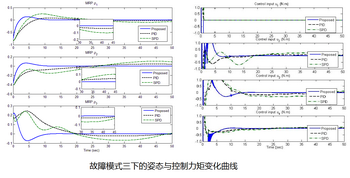
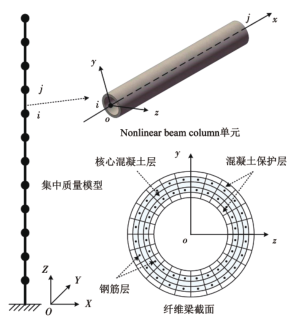
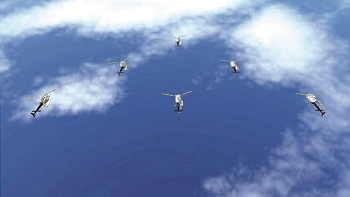
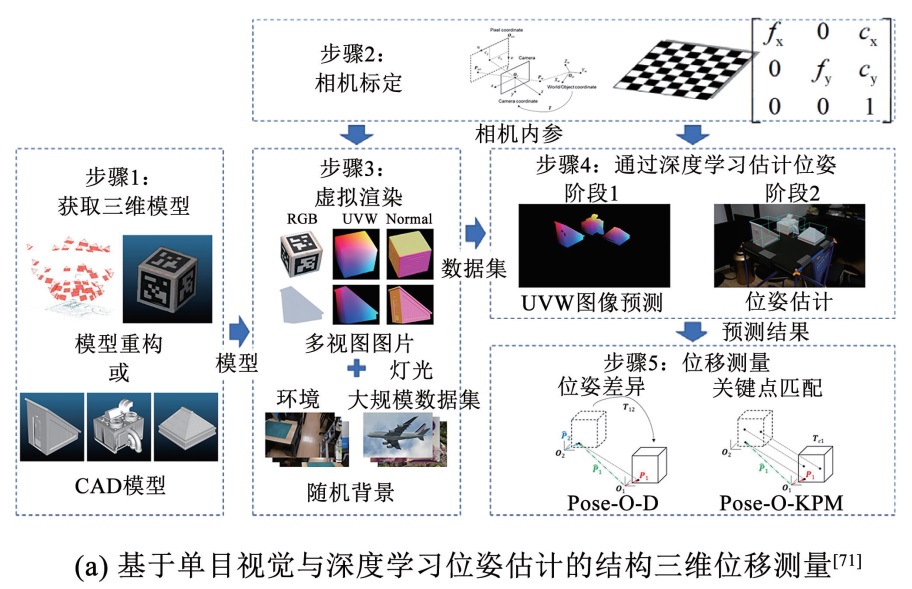
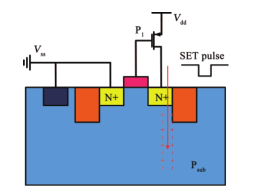
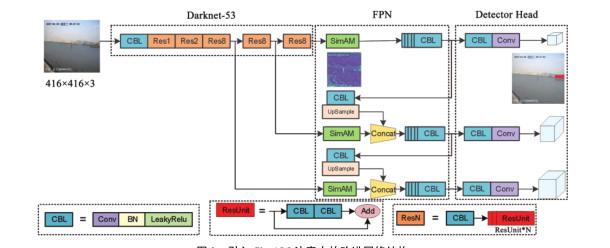
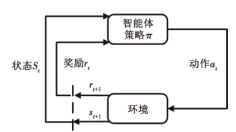
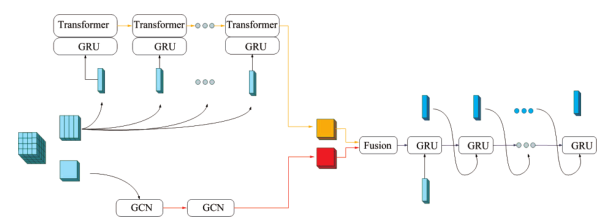
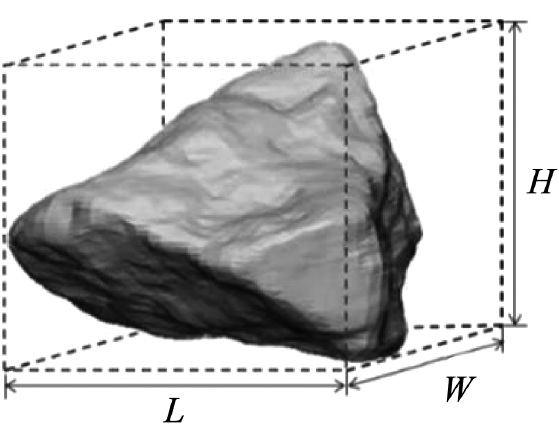
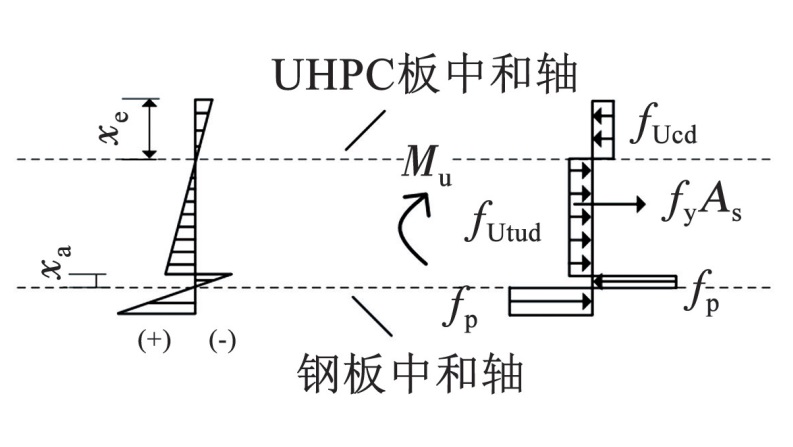
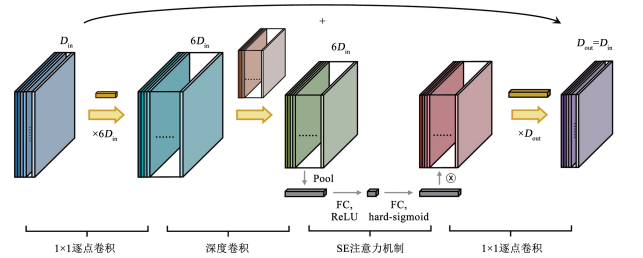
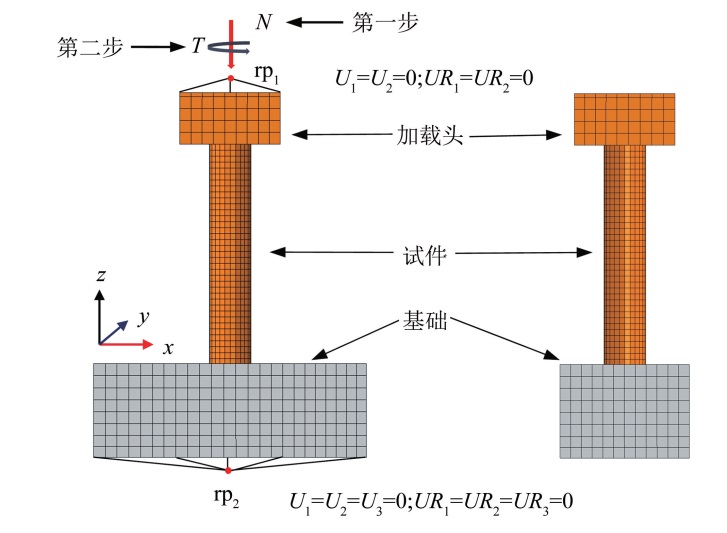
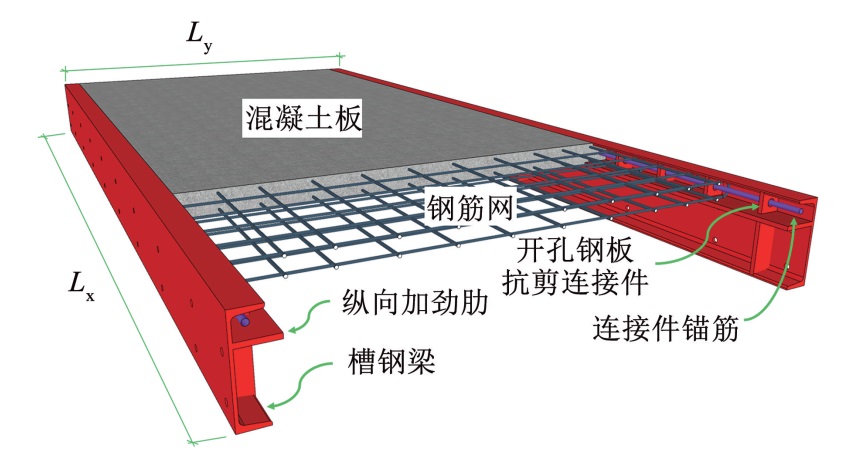
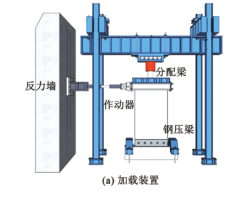
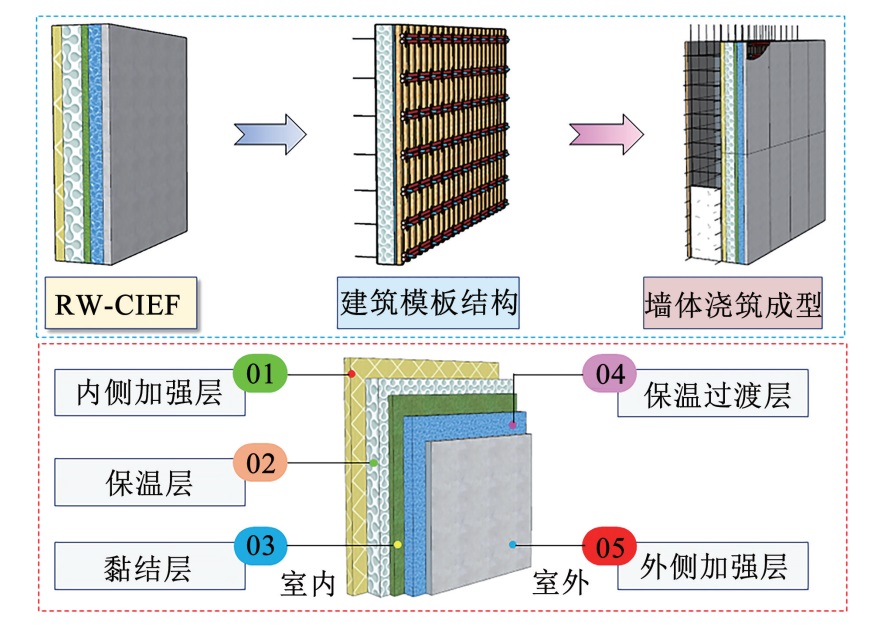

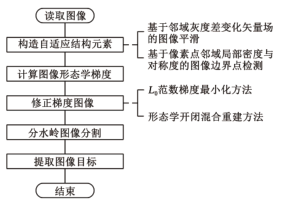
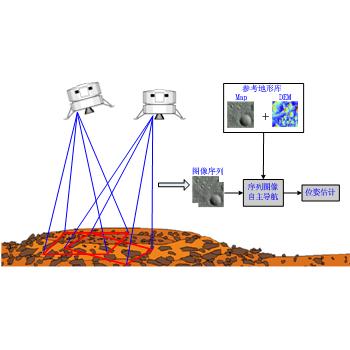
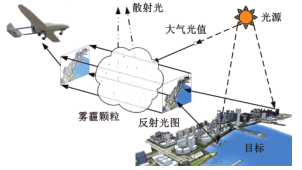
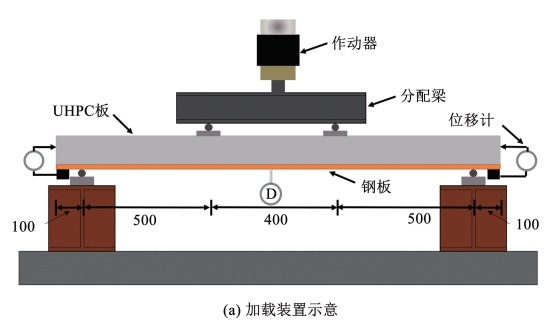
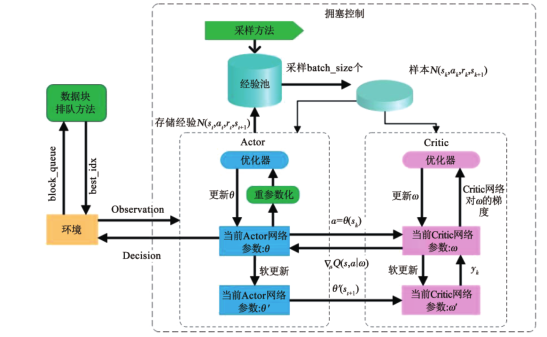
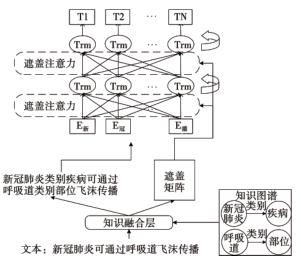
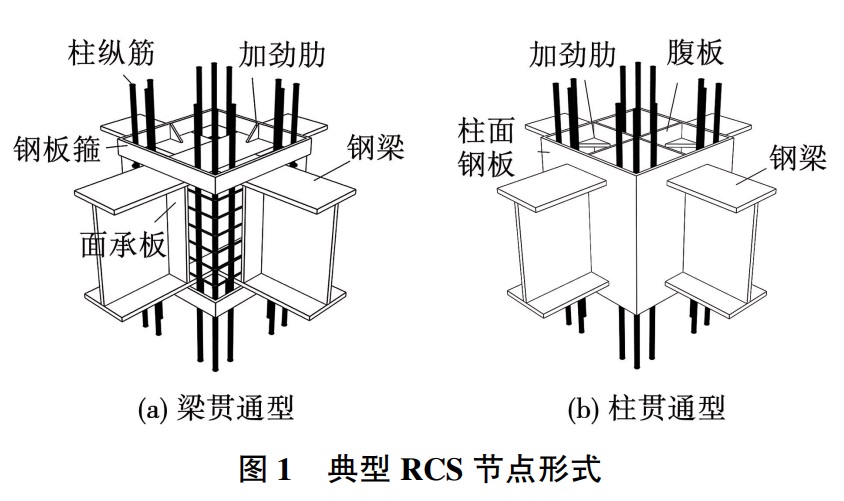
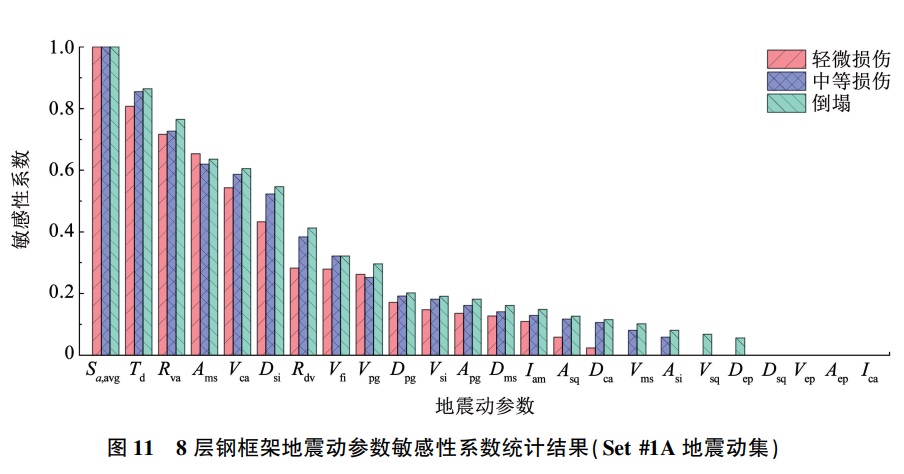
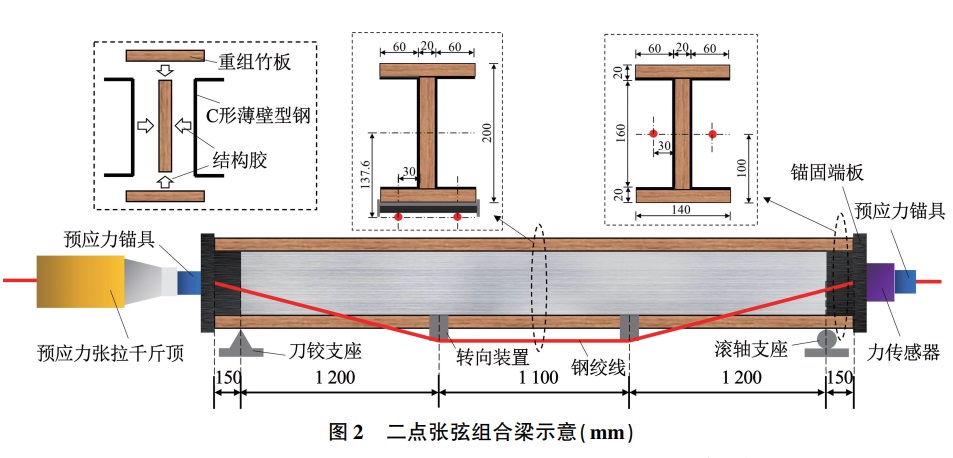
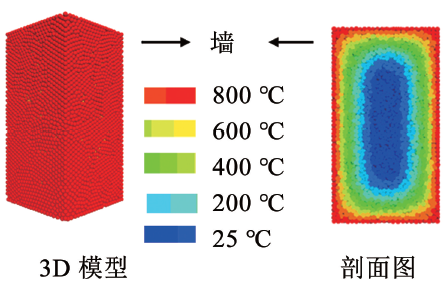
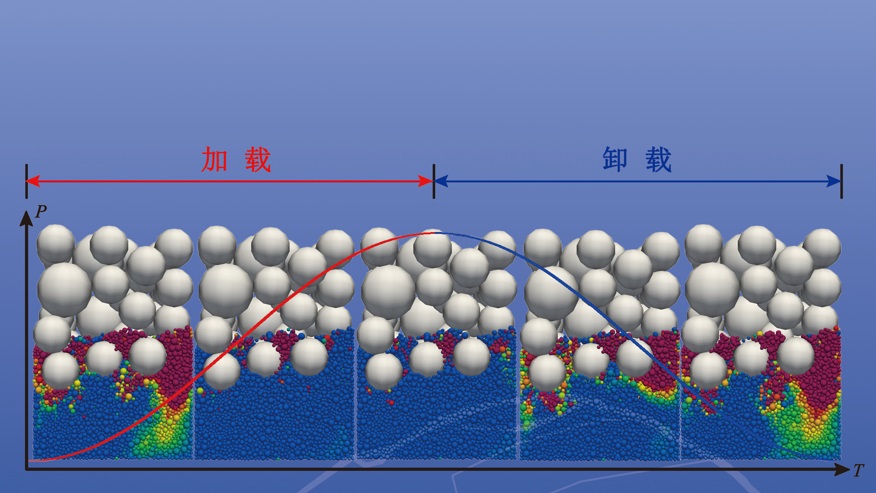
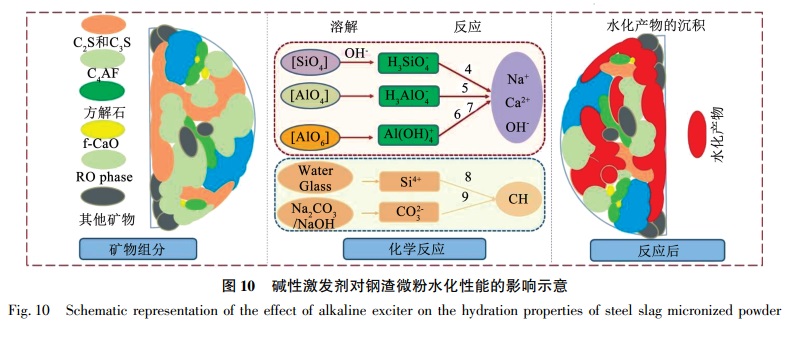

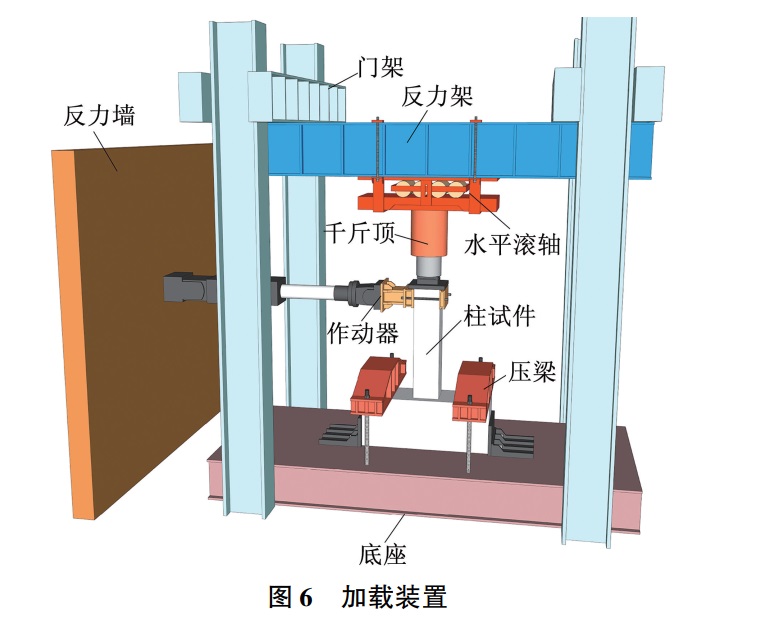
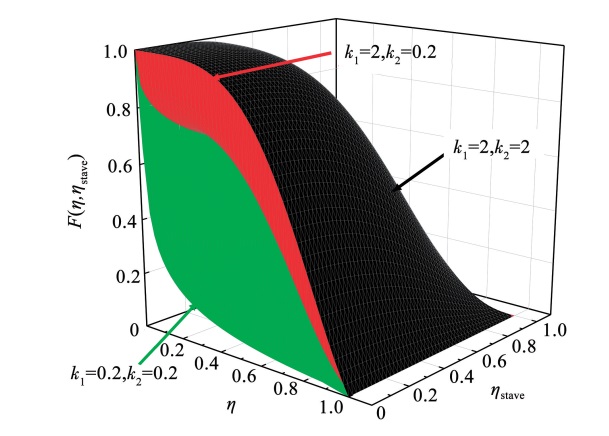
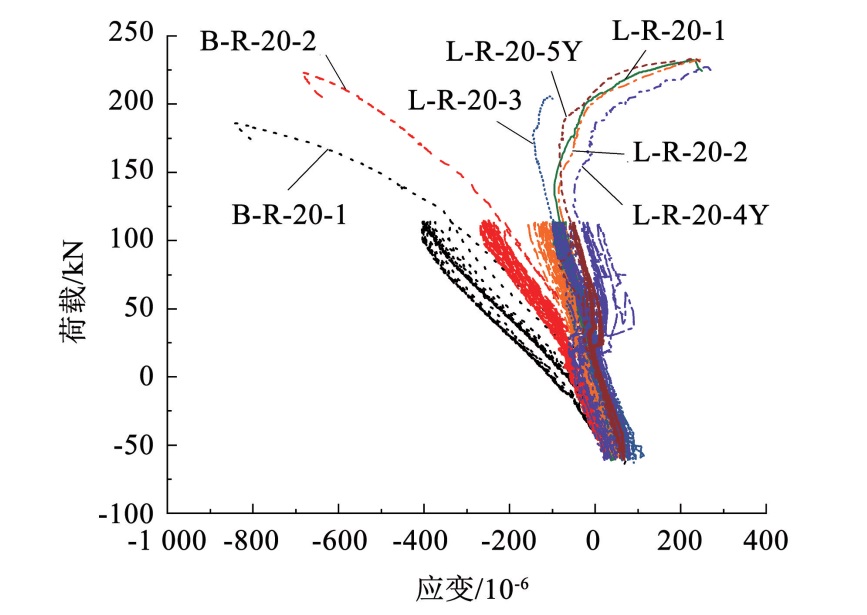
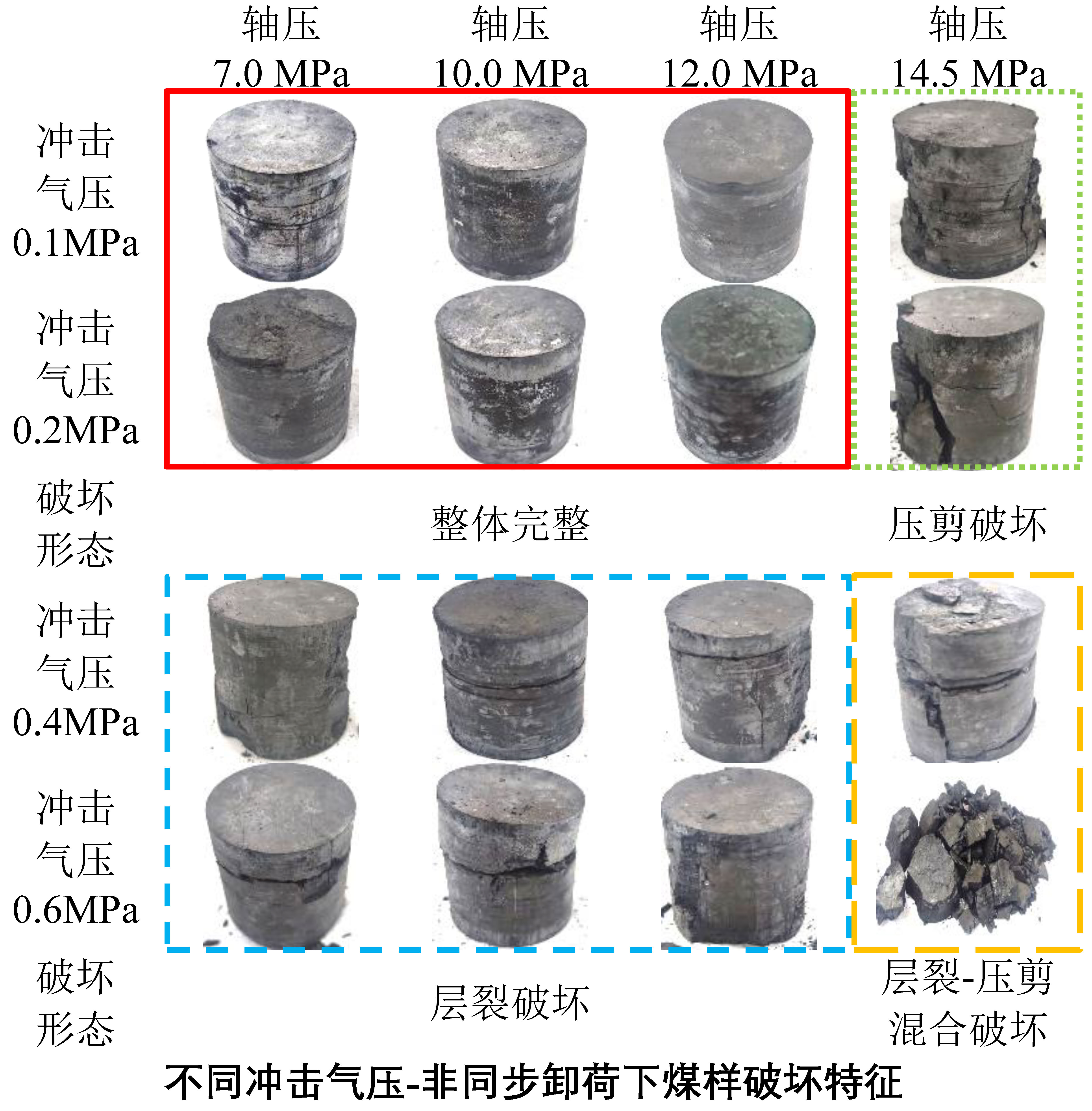
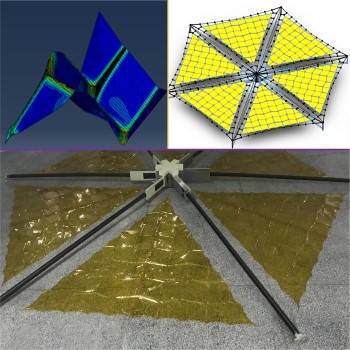
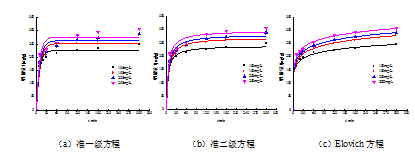
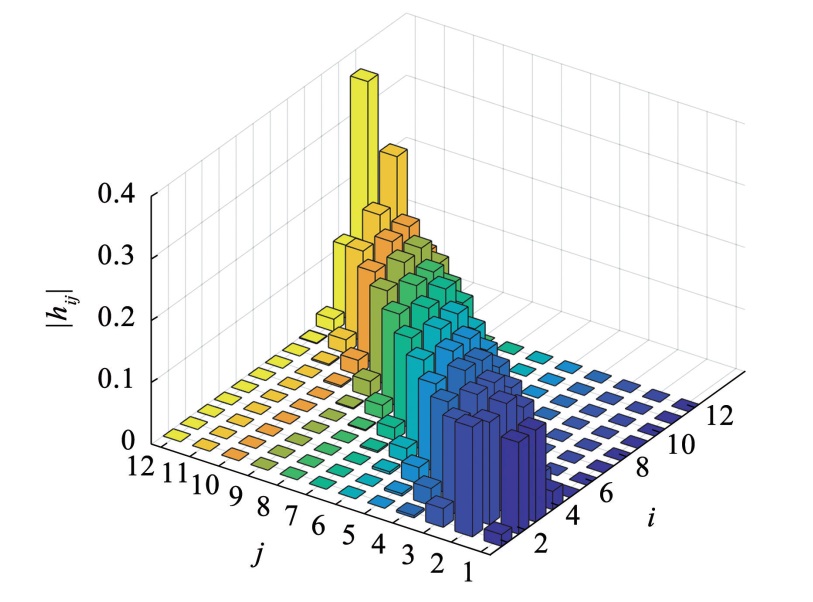
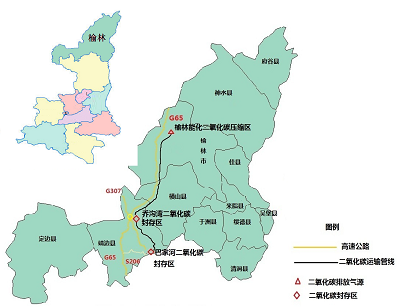
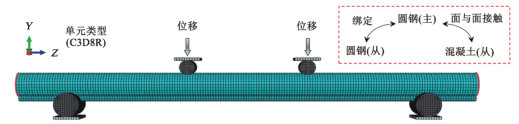
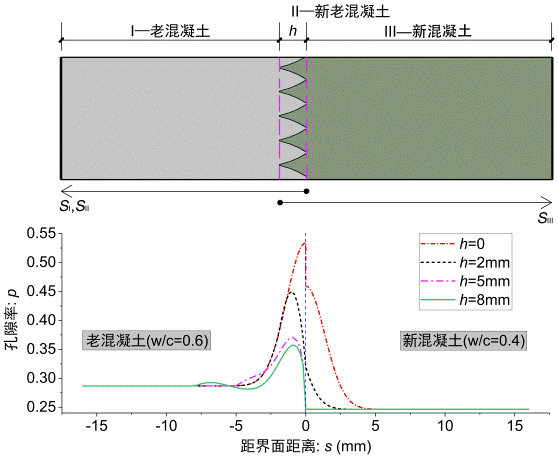
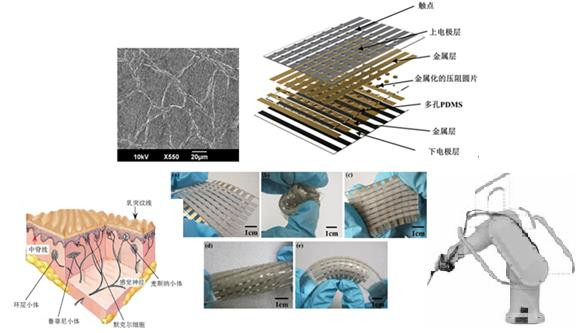
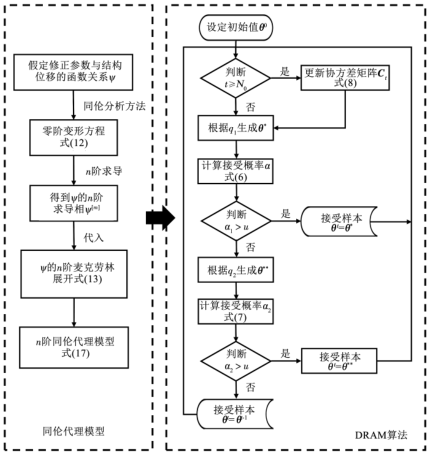
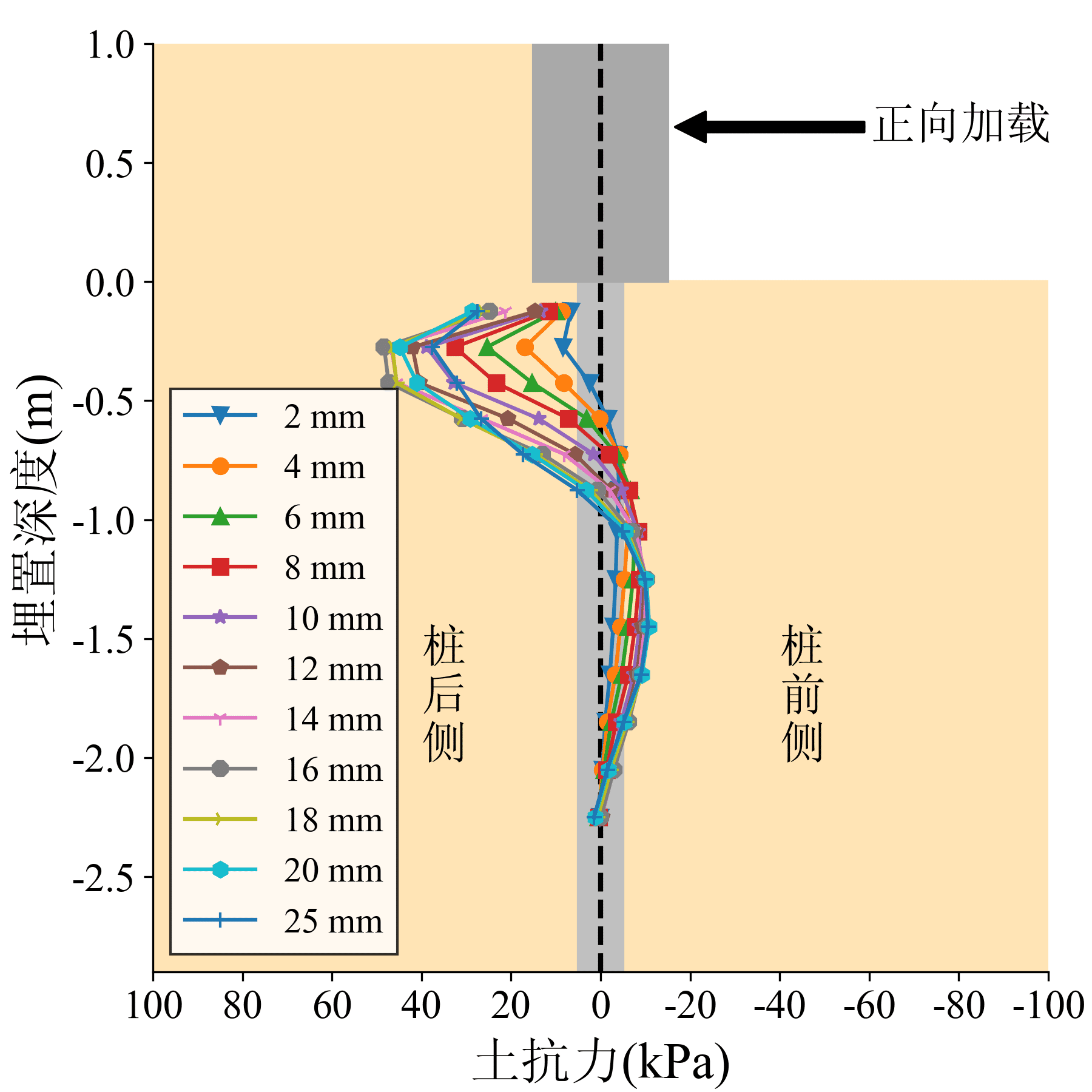
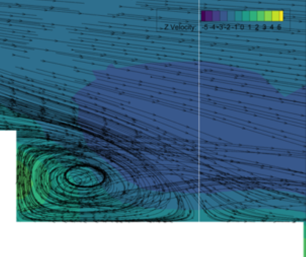
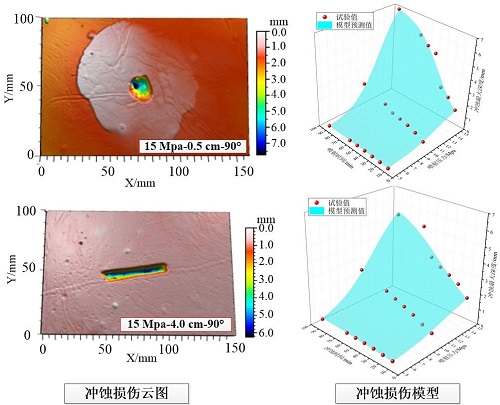
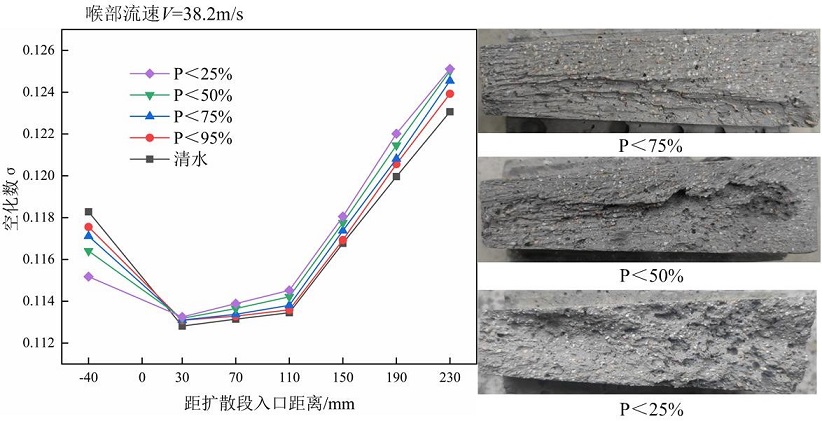
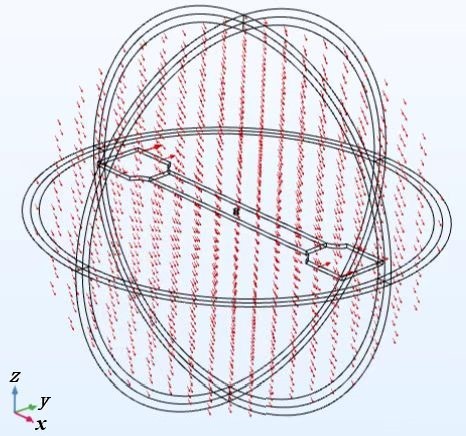
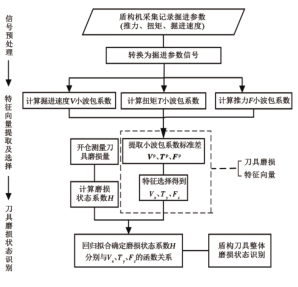
-
ZONG Qun, WANG Dandan, SHAO Shikai, ZHANG Boyuan, HAN Yu
2017,49(3):1-14, DOI: 10.11918/j.issn.0367-6234.2017.03.001
Abstract:
It is well known that unmanned aerial vehicle (UAV) is more and more widely applied in military and civil areas. In order to play the better role of UAV, it is needed to utilize multi UAVs cooperative formation to accomplish cooperative reconnaissance, combat, defense and spraying pesticides and other tasks. The multi UAVs cooperative formation control technology mainly contains the following key techniques: data fusion technology, sensing technology, task allocation technology, path planning technology, formation control technology, communication network technology and virtual/physical verification platform technology. Firstly, summarize the research and development of key technologies worldwide. Then, the classification for multi UAVs formation control methods is mainly investigated, and the problems about formation design and adjustment, formation reconfiguration are summarized. Finally, the challenges and future development for multi UAV cooperative formation are prospected. Research shows: at present, the theory of multi UAV formation flight has acquired fruitful results, while the real cooperative formation flight test can only be implemented in the simple communication environment. The real time performance for task allocation and path planning is not high. The robustness of control methods to cope with the unexpected situation is low. The cooperative sensing ability for multi UAV with multi sensor is insufficient. The simulation of the entity is lacked. Breaking through the above key technologies, carrying out the cooperative formation flight of multi UAV in complex sensing constraints and complex communication environment, putting forward more effective control method and carrying out the UAV physical formation flying test so that the UAV can finish the task better may be the future research directions.
-
DAI Yiming, CHEN Jiachen, LIU Chendong, YANG Dapeng, ZHAO Jingdong
2024,56(8):1-16, DOI: 10.11918/202401061
Abstract:
To study the development status of wearable soft upper limb exoskeleton and its key technical challenges, the current literature in this field was analyzed and summarized. Exoskeletons can effectively provide functions such as protection and support to address limb fatigue and physical function decline resulting from high-intensity and repetitive work, as well as limb movement disorders caused by stroke or occupational diseases. Additionally, they have the capability to restore or enhance human movement ability through additional power and functionality. Wearable soft exoskeletons, as a new development direction of exoskeletons, have obvious advantages over traditional rigid exoskeletons, such as structural flexibility, human-machine interaction, and wearable comfort. Firstly, this paper provides a detailed analysis of three main driving methods of soft upper limb exoskeleton (rope drive, pneumatic, shape memory alloy). The relevant research results and corresponding structural characteristics of different driving methods are throughly examined. Then, the key technical challenges of soft upper limb exoskeleton are analyzed and expounded from four aspects: structure, material, control and auxiliary technology. Finally, considering the needs of exoskeleton applications in different fields, future trends in soft upper limb exoskeleton technology are speculated to focus on flexibility, comfort, compliance and intelligence. This study shows that the technology for wearable soft upper limb exoskeletons is still in its early stages, with many technical challenges to be solved. Futhurmore, breakthroughs in key technological challenges can be facilitated by novel soft actuators, soft sensors and other related advancements.
-
YU Yanbo, HU Qinglei, DONG Hongyang, MA Guangfu
2016,48(4):20-25, DOI: 10.11918/j.issn.0367-6234.2016.04.003
Abstract:
A fault tolerant control scheme based on integral sliding mode surface is developed for spacecraft attitude stabilization in the presence of actuator faults, misalignments, magnitude saturation and external disturbances simultaneously. This approach is based on a novel integral-type sliding mode control strategy to compensate for these un-desired issues without controller reconfiguration. Especially, it guarantees the reachability of the system states by involving adaptive control technique to relax the boundary information in advance. A sufficient condition for the controller to accommodate magnitude saturation is also presented and then the fault tolerant attitude control system can be guaranteed theoretically to be asymptotically stable by using Lyapunov method. Numerical simulation results shows that the proposed control law can quarantee the stability of the spacecraft attitude control system in the presence of actuators' failures, and it has good robust performance.
-
HUANG Kaiwen, FANG Xiaojie, MEI Lin, TIAN Taotao, DU Zhaopeng
2023,55(5):1-13, DOI: 10.11918/202206056
Abstract:
In view of the weaknesses of poor computing and storage capabilities of edge devices, lightweight processing was carried out on the backbone network CSPDarkNet53 for feature extraction in the traditional YOLOv5 model, and a lightweight gesture recognition algorithm MPE-YOLOv5 was proposed to realize the deployment of the model in low-power edge devices. Considering the problem that it is difficult to identify large-scale transformation targets and tiny targets due to less feature extraction in lightweight model, efficient channel attention (ECA) mechanism was added to alleviate the loss of information after high-level feature mapping due to the reduction of feature channel. A detection layer for tiny targets was added to improve the sensitivity to tiny target gestures. EIoU was selected as the loss function of the detection frame to improve the positioning accuracy. The effectiveness of the MPE-YOLOv5 algorithm was verified on the self-made dataset and NUS-Ⅱ public dataset, and the MPE-YOLOv5 algorithm was compared with lightweight M-YOLOv5 algorithm and original YOLOv5 algorithm on the self-made dataset. Experimental results show that the model parameters, model size, and computational complexity of the improved algorithm were 21.16%, 25.33%, and 27.33% of the original algorithm, and the average accuracy was 97.2%. Compared with the lightweight model M-YOLOv5, MPE-YOLOv5 improved the average accuracy by 8.72% while maintaining the original efficiency. The proposed MPE-YOLOv5 algorithm can better balance between the detection accuracy and real-time reasoning speed of the model, and can be deployed on edge terminals with limited hardware.
-
LIN Kaiqi, ZHENG Junhao, LU Xinzheng
2024,56(1):1-16, DOI: 10.11918/202306009
Abstract:
The advent of Industry 4.0 has spawned the widespread application of digital twin technology, providing digital solutions for intelligent manufacturing and product life-cycle management. In the field of civil engineering, the enhancement of digital disaster prevention and civil structure management is a critical component in the development of future smart cities. On one hand, the establishment of precise and reliable digital twins of real-life civil structures can facilitate disaster prevention from extreme hazards, as well as identify and warn against potential risks. On the other hand, digital twins lay the foundation for technological advancements in the digital construction and management of future cities. This study first categorizes the fundamental concepts and developmental stages of digital twin technology. Then, the acquisition of twining data and construction of digital twins for civil structures are systematically summarized. Building on this foundation, a comprehensive review and outlook is presented on the application of digital twin technology in civil engineering, encompassing the operation and maintenance of structures, disaster simulation and digital twin cities.
-
TANG Hong, LIU Xiaojie, GAN Chenmin, CHEN Rong
2023,55(5):107-113, DOI: 10.11918/202204106
Abstract:
In the ultra-dense network environment, each access point is deployed in the hotspot area, which forms a complex heterogeneous network. Users need to choose the appropriate network to access, so as to achieve the best performance. Network selection problem is to choose the optimal network for the user, so that the user or network performance reaches the best. In order to solve the access selection problem of users in ultra-dense networks, we proposed an ultra-dense network access selection algorithm based on the improved deep Q network (DQN), considering network states, user preferences, and service types, and combining with load balancing strategies. First, by analyzing the influence of network attributes and user preferences on network selection, the appropriate network parameters were selected as the parameters of the access selection algorithm. Then, the problem of network access selection was modeled by Markov decision-making process, and the states, actions, and reward functions of the model were designed. Finally, the optimal network strategy was obtained by using DQN to solve the network selection model. In addition, the target function of traditional DQN was optimized to avoid overestimation of Q value by DQN, and a priority experience replay mechanism was introduced to improve learning efficiency. Simulation results show that the method could well solve the problem of overestimation of traditional DQN, accelerate the convergence of neural network, effectively reduce user congestion, and improve network throughput performance.
-
WANG Zhongli, ZHAO Jie, CAI Hegao
2015,47(1):75-85, DOI: 10.11918/j.issn.0367-6234.2015.01.012
Abstract:
The existing graph-construction methods for graph optimization-based SLAM are summarized. The SLAM methods can be divided into three main classes, Kalman filter-based, partical filter-based and graph optimization-based, and the advantages and disadvantages of each class are overviewed. Moreover, there are mainly three graph modeling methods for the graph optimization-based SLAM problem, namely dynamic Bayesian network (DBN)-based model, factor graph-based model and Markov random field-based model. The key techniques of the front-end stage in graph optimization-based SLAM method, which mainly include data association between consecutive frame and loop closure detection, are discussed. Some newest research achievements on feature extraction, matching method, motion estimation, loop closure detection are introduced.
-
WANG Dayi, XU Chao, HUANG Xiangyu
2016,48(4):1-12, DOI: 10.11918/j.issn.0367-6234.2016.04.001
Abstract:
Autonomous navigation based on sequential images (ANBSI) is the key technology of pinpoint landing missions for future deep space exploration and also is one of the major development directions for deep space exploration technology. The necessity of developing ANBSI for planetary pinpoint landing is elaborated in this paper. Firstly, state-of-art developments of ANBSI are reviewed in terms of active sensing and passive sensing. Then, the key techniques applied in ANBSI for planetary landing are summarized and analyzed. Finally, according to the analysis of the key techniques, the main issues of ANBSI are raised and their future developments are overviewed.
-
CAO Jianguo, ZHOU Jianhui, MIAO Cunxiao, YIN Haibin, LI Weiqi, XIA Fei
2017,49(1):1-13, DOI: 10.11918/j.issn.0367-6234.2017.01.001
Abstract:
Starting from the tactile sensing performance of human skin, the progress and key technologies of tactile sensors for e-skin (electronic skin) akin to human skin by multidisciplinary fields are comprehensively reviewed. The sensing principle, new materials and structures, advanced design and making methods, sensing characteristics and performance of tactile sensors are analyzed. The recent domestic and foreign research advances of electronic skin tactile sensor array in flexibility, elasticity, spatial resolution, sensitivity, fast response, transparency, lightweight, multifunction and other aspects are summarized. It is difficult to achieve the tactile sensors for e-skin with high stretchable and flexible, less complex production process for high sensitivity e-skin, strong extensibility and low cost. The tactile sensors for e-skin can be widely used in robotics, medical health, aeronautics and space military, intelligent manufacturing, automotive security and other fields. The development of tactile sensors for e-skin toward the direction of high stretchable and flexible, high sensitivity in wide range, multifunction, self-healing and self-cleaning, self-powered and transparent, has been pointed out.
-
MA Fang, ZHOU Jiahui, GUO Haijuan, YANG Le
2016,48(2):50-56, DOI: 10.11918/j.issn.0367-6234.2016.02.009
Abstract:
In order to improve the separability of powdered activated carbon, a new type of magnetic activated carbon was prepared using chemical co-precipitation.Using methylene blue as target pollutants, performance of the powdered magnetic activated carbon was studied under varied conditions of pH, contact time and initial methylene blue concentrations, via the comparison with powdered activated carbon. The results showed that the adsorption capacity of synthetic magnetic powdered activated carbon was higher than that of the powdered activated carbon, and an alkaline pH value and adequate contact time were favorable for the pollutants removal. Under the condition of 100 mg/L methylene blue concentration, 0.4 g/L magnetic activated carbon dosage of, pH 9 and a reaction time of 300 minutes, the removal rate of methylene blue reached 98.9%. The adsorption behavior of methylene blue on magnetic activated carbon fitted the Langmuir isotherm and Elovich dynamics model. Thermodynamic analysis indicated that the adsorption was spontaneous endothermic reaction of single molecule layer, and the chemical adsorption played an important role during the adsorption process. The magnetic activated carbon had a good recyclable performance, it could complete precipitation in 10 minutes under natural condition, and could be quickly separated in 30 seconds under the action of outside magnetic field.
-
FAN Yujiang, GE Jun, AI Binping, XIONG Ergang, WANG Sheliang
2023,55(5):78-87, DOI: 10.11918/202112059
Abstract:
Considering the failure mechanism and weaknesses of traditional fabricated shear wall structures under strong earthquakes, a new type of fabricated shear wall with functions of energy dissipation and shock absorption was proposed. On the basis of model test and numerical simulation, seismic performance tests were carried out on four specimens with scale ratio of 1∶1.54 and shear span ratio of 1.52. Further analysis was conducted to investigate the effects of bolt number, axial compression ratio, and reinforcement ratio of edge members on the seismic performance of the new fabricated shear wall, including failure modes, hysteretic performance, bearing capacity, displacement ductility, stiffness degradation, and energy dissipation capacity. Test results show that the four specimens experienced shear compression failure, which was the same as the cast-in-place shear wall with the same shear span ratio. However, the proposed shear wall had better hysteretic performance and energy dissipation capacity, and the energy dissipation capacity was higher than that of the cast-in-place shear wall at the failure point. When the number of bolts decreased, the hysteretic performance of the new fabricated shear wall decreased, the wall deformation increased, while the bearing capacity remained almost unchanged. When the axial compression ratio or reinforcement ratio of edge members decreased, the bearing capacity decreased, and the ultimate displacement increased. Finally, the finite element model of the specimens was established by ABAQUS program. Comparisons of numerical results and test results showed a good agreement, verifying the correctness of the model, which can be applied to the analysis of the new fabricated shear wall.
-
QIU Yikun, ZHEN Wei, ZHOU Changdong
2023,55(5):139-150, DOI: 10.11918/202112016
Abstract:
To investigate the ground motion intensity measures suitable for evaluating high-rise structures under near-fault ground motions with pulse-like effect, this paper proposes a new ground motion intensity measure considering period elongation effect and higher mode effect based on acceleration spectrum. Taking two high-rise reinforced chimney structures (120 m and 240 m) as research objects, the correlation between damage indices (ParkAng damage index, maximum inter-story drift ratio, maximum structural curvature, maximum floor acceleration, and maximum roof displacement) of high-rise structures and 37 ground motion intensity measures was studied under near-fault ground motions using OpenSEES. Results show that the proposed intensity measure was the optimal index in predicting the ParkAng damage of high-rise concrete structures under near-fault ground motions. High correlation between velocity-related intensity measures and structural damage index was observed. As the structural period increased, the correlation between damage indices and displacement-related intensity measures was improved. Besides, peak ground acceleration had limitations in characterizing the deformation and failure of high-rise structures, but it could be used to analyze the seismic performance of non-structural components. The research results can provide reference for selecting proper measures and structural damage indices to evaluate the seismic performance of high-rise structures under near-fault ground motions.
-
HUANG He, LI Zhanyi, HU Kaiyi, WANG Huifeng, RU Feng, WANG Jun
2023,55(5):88-97, DOI: 10.11918/202111001
Abstract:
In view of the problems of low brightness and obvious color distortion of the sky in restored images in most existing algorithms for image dehazing, a haze removal method for UAV aerial images based on atmospheric light value and graph estimation was proposed. First, the depth-of-field image was obtained according to the color attenuation prior theory, and the mean value of the region with the minimum deviation in the depth-of-field image was taken as the atmospheric light value. Then, a random walk clustering method was designed to estimate the atmospheric light map. The random walk algorithm was used to cluster the image into N sub-regions, and the mean value of the first 0.1% pixels of the sub-regions was taken as the regional atmospheric light value, which was then combined and refined by guided filtering to obtain the atmospheric light map. Next, the two atmospheric light estimators were fused into a new atmospheric light map with atmospheric light valuegraph estimation, which is a more accurate atmospheric light estimator. The transmittance was obtained by haze-lines prior method, and a dark compensation method was proposed to improve the transmission accuracy. Finally, according to the atmospheric scattering model, a clear restored image was obtained based on the fused atmospheric light map and optimized transmittance. Experimental results show that compared with other algorithms, the proposed algorithm improved the information entropy, mean gradient, blur coefficient, and contrast by 1.1%, 6.3%, 8.5%, and 6.4%, respectively, with better subjective visual effect and more abundant information.
-
JIN Zhigang, HE Xiaoyong, YUE Shunmin, XIONG Yalan, LUO Jia
2023,55(5):50-58, DOI: 10.11918/202201126
Abstract:
In view of the problem that general pre-trained models are not suitable for named entity recognition tasks in the medical domain, a neural network architecture that integrates knowledge graph in the medical domain was proposed. The elastic position and masking matrix were used to avoid semantic confusion and semantic interference in self-attention calculation of pre-trained model. The idea of multi-task learning in fine-tuning was adopted, and the optimization algorithm of recall learning was employed for pre-trained model to balance between general semantic expression and learning of the target task. Finally, a more efficient vector representation was obtained and label prediction was conducted. Experimental results showed that the proposed architecture achieved better results than the mainstream pre-trained models in the medical domain, and had relatively good results in the general domain. The architecture avoided retraining pre-trained models in particular domain and additional coding structures, which greatly reduced computational cost and model size. In addition, according to the ablation experiments, the medical domain was more dependent on the knowledge graph than the general domain, indicating the effectiveness of integrating the knowledge graph method in the medical domain. Parameter analysis proved that the optimization algorithm which used recall learning could effectively control the update of model parameters, so that the model retained more general semantic information and obtained more semantic vector representation. Besides, the experimental analysis showed that the proposed method had better performance in the category with a small number of entities.
-
ZHANG Shenwen, XU Chonghai, HU Tianle, TAO Shuangshuang, LI Luqun
2023,55(5):132-138, DOI: 10.11918/202112138
Abstract:
This paper proposes a low-latency intelligent network data transmission scheduling algorithm for real-time network transmission demand scenarios of low latency, stable transmission, and high quality of experience (QoE). The algorithm consists of two parts: data block queuing control strategy and congestion control strategy. The data block queuing control strategy presents a cost-effective model that integrates the creation time and effective time of data blocks, effectively solving the problem of uneven information transmission under transmission time constraint. The congestion control strategy proposes a deep deterministic policy gradient (DDPG) method based on the Gumbel distribution sampling reparameterization with mixed experience prioritization model, which solves the problem that DDPG is not applicable to the congestion control of discrete network action space and significantly improves the quality of network congestion control by adaptively adjusting the sending parameters through learning. Results show that the proposed queuing algorithm could effectively improve QoE in real-time transmission scenarios, and the improved DDPG for congestion control could significantly reduce transmission delay. In the same scenario, compared with traditional network data transmission scheduling algorithms, by integrating the proposed queuing and congestion control strategies, the improved intelligent network data transmission scheduling algorithm could maintain a good balance between low latency and stable transmission and provide higher data transmission quality.
-
FANG Chao, WANG Xiaopeng, LI Baomin, FAN Weiwei
2023,55(5):59-70, DOI: 10.11918/202204057
Abstract:
Image segmentation is to divide the region with special meanings into several disjoint sub-regions according to certain rules, which is the key link between image processing and image analysis. The traditional watershed image segmentation method is widely used, which has the advantages of fast and simple. However, it is easily interfered by noise, and the segmentation results are prone to lose important edge information, resulting in over-segmentation. In view of the problem of the traditional watershed image segmentation method, an improved watershed image segmentation method based on adaptive structural elements was proposed. First, the adaptive structural elements with variable shapes were constructed by using local density, symmetry, and boundary features of adjacent pixels of image targets, so as to ensure a good consistency between the proposed structural elements and the shape of image targets. Then, the adaptive structural elements were used to obtain the morphological gradient of the image, which could improve the positioning accuracy of the target edge. The L0 norm gradient minimization and morphological open-close hybrid reconstruction were used to modify the gradient image, so as to reduce the local invalid minimum points in the gradient image and suppress the occurrence of over-segmentation. Finally, watershed segmentation was performed on the modified gradient image to realize accurate segmentation of the target region of the image. Experimental results show that the method could effectively restrain over-segmentation of traditional watershed algorithm and improve the accuracy of the target edge positioning, with high precision of image segmentation.
-
SHI Zhu, XIAO Xiao, WANG Bin, YANG Bo, LU Hongli, YUE Hongju, LIU Wenping
2023,55(5):114-121, DOI: 10.11918/202109131
Abstract:
The development of advanced nano-integrated circuit processes has led to a decreasing threshold charge in microelectronic devices, resulting in an increased rate of soft errors caused by single-event effects in digital circuits. To enhance the radiation resistance of standard cells in integrated circuits, this paper proposes a NAND gate structure that is resistant to single-event transients (SETs). In the triple well process, by shorting the substrate and source of each NMOS transistor in the pull-down network, the radiation resistance of the NAND gate was effectively improved, and the hardening of the proposed NAND gate became more effective as the number of inputs increased. Particle incidence simulation experiments were performed by Sentaurus TCAD software in hybrid simulation mode. For the NMOS transistor connected to the output node, the three-dimensional physical model that has been calibrated by the process was used, and the Spice model provided by the manufacturer was adopted for other MOS transistors. Simulation results show that the proposed two-input NAND in 40 nm process could reduce the output voltage fluctuation amplitude in three-input cases at the linear energy transfer (LET) value of incidence particle of 10 MeV·cm2/mg. Besides, the effect of immunity to single particle incidence was achieved in the input mode with N2 transistor closed. For the hardened three-input NAND gate, the output voltage disturbance could be reduced by up to 85.4% even in the “worst case”. Therefore, the proposed hardening method for NAND gate has a significant effect against SET.
-
JIANG Hong-bin, ZHANG Hai-shun, LIU Wen-qing, YAN Hong-ying
2011,43(4):28-31,36, DOI: 10.11918/j.issn.0367-6234.2011.04.006
Abstract:
To study the connection method between reinforced bars of the precast concrete(PC) structure,81 plug-in filling hole for lap-joint of steel bar sample tests were made,and the main factors,such as reinforced bar diameter,concrete strength and anchorage length etc.were considered during the tests.The test results indicated that the ultimate failure state of all the anchoring specimens were the external reinforced bar yielding or broken up by pulling,and the abnormal anchorage was not destroyed.When the basic anchoring length was reduced by 10% or even 20%,specimens still showed enough safety.Based on this,the basic anchoring length of plug-in filling hole for lap-joint of steel bar can be given as 0.8 la.
-
GUO Ling, YU Haiyan, ZHOU Zhiquan
2023,55(5):14-21, DOI: 10.11918/202201069
Abstract:
Due to the complex background of ship targets and much irrelevant interference in visual images, it is difficult to conduct ship detection. In addition, there are few datasets for multi-category ship detection and the samples are often unbalanced, which makes the ship target detection performance degraded. Considering the ship detection background interference, an improved YOLOv3 model was proposed by introducing SimAM attention mechanism, which was used to enhance the weight of the ship target in the extracted features and suppress the weight of background interference, thus improving the model detection performance. Meanwhile, strong real-time data augmentation was applied to improve the unbalanced distribution of sample scales, and transfer learning was combined to improve the ship detection accuracy in the condition of a restricted number of samples. The visualization results of extracted features show that the improved model could suppress irrelevant background features, and the abilities of feature extraction and target localization were enhanced. Without introducing additional learnable parameters, the proposed model achieved 96.93% and 71.49% for mAP.5 and mAP.75 on the SeaShips dataset, and detection speed reached 66 frames per second, indicating a good balance between detection accuracy and efficiency. The improved model optimized the target features more effectively compared with the Saliency-aware CNN and eYOLOv3 models, resulting in an improvement of mAP.5 by 9.53% and 9.19%. The mAP.5 for ship type target detection on Singapore Maritime Dataset reached 81.81%, indicating that the proposed model has good generalization performance.
-
ZHAI Mingyang, LIN Qianguo, WANG Xiangzeng, GAO Ruimin, TAO Hongsheng, JIANG Shaojing, WANG Hong, LIANG Kaiqiang
2017,49(8):116-122, DOI: 10.11918/j.issn.0367-6234.201610077
Abstract:
Carbon dioxide (CO2) capture, utilization and storage, as an emerging technology that can help reduce coal chemical plant greenhouse gas emission by large scale, have drawn significant attention. Pipeline transportation is an essential part of the technology, but high cost has greatly limited its application. Therefore the main objective is to develop an optimization model for supporting CO2 pipeline transportation system planning to reduce the overall carbon capture utilization and storage (CCUS) system cost by optimizing key technology process of a CO2 transportation system. The developed model was further applied to Shaanxi Yanchang's CCUS project for planning its CO2 transportation system. The results indicated that in case of low demand of CO2 storage, a gas-phase CO2 pipeline transportation system coupled with in-situ compression and injection was recommended. In the case of high demand of CO2 storage, this study would recommend a super-critical / density phase transportation system which could have lower system cost than gas phase pipeline system as the cost for compression at the site of storage can be saved
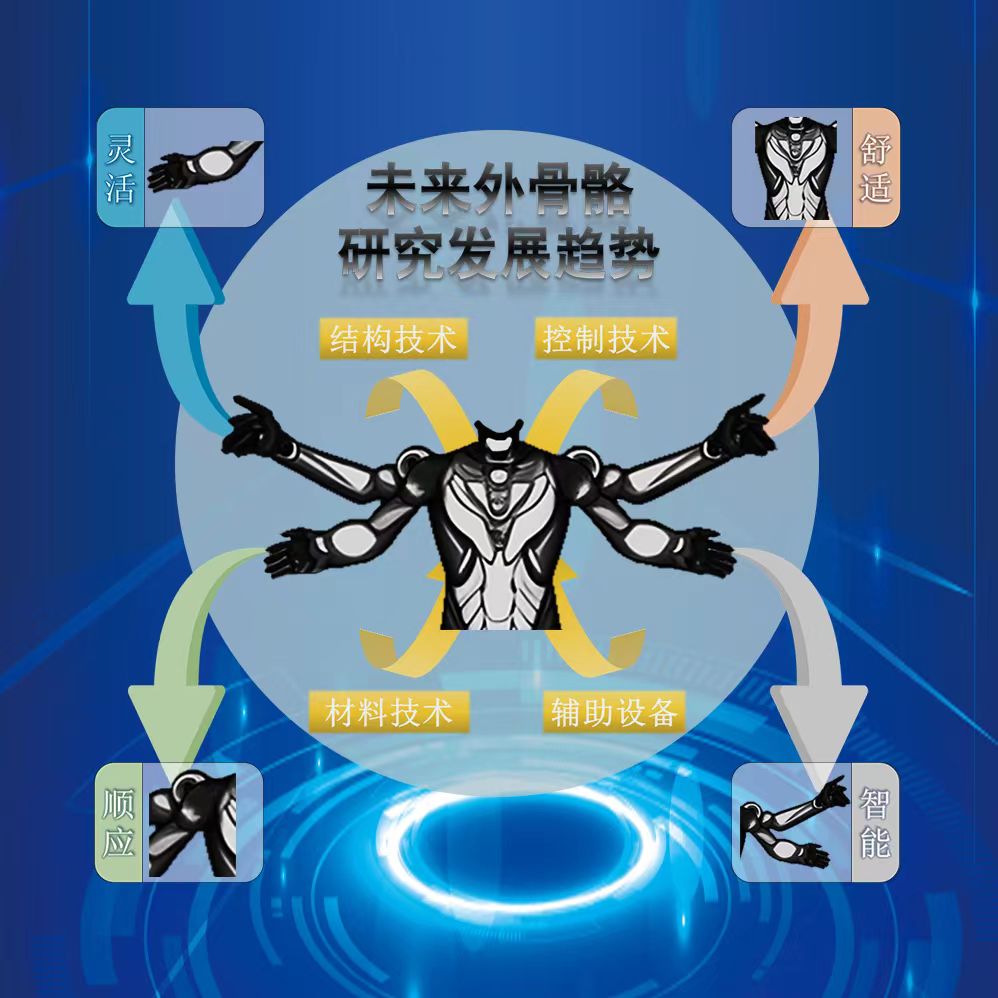
 Submission Login
 Review Login
 Editor Login
 Quick search


 Links
Links

