Abstract
Mechanochromic materials exhibit changes in their optical properties when exposed to external forces, making them highly valuable for applications, such as mechanical sensing and component damage monitoring. Herein, a facile and low-cost method for preparing mechanochromic materials is developed based on the ratio luminescence mechanism. Rather than using sensors with complex structural dual chromophore groups, commercially available methyl orange and methylene blue, which exhibit minimal spectral overlap, are incorporated into thermoplastic polyurethane film at a fixed ratio. As the strain increases, the blending film exhibits a pronounced color change, transitioning from bright yellow-green to golden yellow. In the spectra, the ratios of the absorption peaks and the emission peaks for the two dyes have changed. The doping of dyes leads to a reduction in both tensile strength and modulus. However, the material exhibits exceptional strain-induced color-changing performance and hydrophobic properties, which enhance its high applicability for marine engineering and aerospace technology. This approach is not only straightforward and cost-effective but also offers a novel pathway for the preparation of mechanochromic materials, showcasing significant potential for practical applications and broad future development prospects.
Keywords
0 Introduction
Mechanochromic materials exhibit substantial alterations in their optical properties when exposed to mechanical stimuli[1-2]. Owing to their extensive application potential in pressure sensing[3], damage monitoring[4-6], and other technical domains, as well as their critical role in supporting fundamental research, these materials have attracted significant attention and emerged as a prominent research focus in both academia and industry over recent years. Furthermore, mechanochromic materials not only facilitate an in-depth investigation into the mechanisms of stress transfer within polymer systems but also elucidate the critical processes underlying material mechanical failure, thereby offering a robust theoretical foundation for material design and performance enhancement.
Mechanical chromic materials, as a representative class of smart materials, exhibit the capability for structural health monitoring and intelligent maintenance. These materials hold substantial application value and promise in many domains such as marine engineering and aerospace technology. When integrated into the surfaces of maritime vessels, offshore platforms, and other critical structures, mechanical stress or deformation induced by hydrodynamic forces or wind loads can elicit color changes. This phenomenon enables real-time detection of structural damage or corrosion, thereby providing valuable auxiliary support for condition monitoring[7-8]. Furthermore, integrating force-induced chromic materials into smart coatings on critical aircraft components, such as wings and fuselages, enables the visualization of stress distribution under operational loading conditions. This provides an essential reference for ensuring the safe and reliable operation of aircraft.
Mechanochromic materials are typically prepared using two approaches: copolymerization and blending. The general strategy for designing copolymer-based mechanically responsive materials involves incorporating force-sensitive molecules, also referred to as mechanophores(e.g., spiropyran, rhodamine, benzocyclobutene, and 1,2-dioxetane) into either the main chain or side-chain structure of the polymer.Barbee et al.[9] covalently bonded spiropyran mechanophores into polydimethylsiloxane, using color changes before and after ring-opening to indicate stress levels and warn of potential failure. Upon reaching the strain threshold, the material turns a specific color to signal failure. Also, McFadden and Robb[10] synthesized a series of bis-naphthopyran-based polymers and mechanically activated them through ultrasonic treatment. When subjected to different levels of mechanical force, the relative distribution of the two chromophores altered, leading to a gradient polychromic response that clearly indicates force-induced chromism.
Furthermore, Wang et al.[11] designed and synthesized a novel rhodamine-based mechanochromic elastomer. This elastomer exhibits three distinct fluorescent colors during continuous uniaxial stretching and relaxation cycles, demonstrating exceptional stress sensitivity and reversible fluorescent color changes. Similarly, Wang et al.[12] introduced rhodamine derivative molecules into the polyurethane(PU) matrix to fabricate a polymer film featuring force-responsive chromic groups. Upon exposure to mechanical stress or ultraviolet irradiation, the material demonstrates reversible changes in both visible light absorption and fluorescence emission, thereby enabling simultaneous mechanochromism and photochromism. Cao et al. [13] successfully fabricated waterborne PU composite films by incorporating 1,2-dioxetane into the polymer main chain and embedding fluorescent carbon dots within the matrix. Owing to the fluorescence quenching behavior of 1,2-dioxetane in polar solvents, the stress-induced ring-opening reaction markedly amplified the fluorescence signal intensity, thereby allowing the material to realize real-time monitoring of fracture and failure events.
Moreover, the blending method is also a commonly used strategy for preparing mechanochromic materials without involving chemical modification of the polymer chains through covalent bonding. Crenshaw et al. [14] prepared a novel composite material by blending 1,4-bis(R-cyano-4-alkoxystyryl) benzene, which exhibits high photoluminescence performance, into linear low-density polyethylene. It was observed that the luminescent properties of this material were strongly dependent on the aggregation state of its dye molecules. Specifically, under tensile deformation, the emission spectrum of the dye exhibited a pronounced red shift of up to 147 nm relative to the unstretched state. This shift could be observed in polymer films containing cyano-substituted excimer-forming oligo(phenylene vinylene) dyes, which were prepared by blending and employed as luminescent mechanochromic sensors. The mechanochromic effect is predominantly observed during the plastic deformation of the dye blends, and the mechanically-induced dispersion of dye aggregates becomes increasingly significant with higher crystallinity of the matrix polymer[15].
Contini et al. [16] found that doping a PU matrix with varying concentrations of dispersed perylene dye resulted in materials exhibiting more pronounced color changes under uniaxial tensile deformation compared to those prepared via copolymerization. Moreover, Cellini et al.[17] investigated the effect of dispersing bis(benzoxazolyl) stilbene within a PU matrix and discovered that the aggregation state of the dyes altered during the stretching process. This change caused the fluorescence emission wavelength to shift from the dimer to the monomer direction, leading to a variation in fluorescence color.
Although the blending method effectively avoids polymerization, the dyes doped in the blends are not readily accessible on a commercial scale because of their intricate molecular structures and high production costs, which significantly restricts the large-scale application of mechanochromic materials[14-17].Further research is needed for better performance, cost-effectiveness, and scalability.
Mechanochromic materials respond to strain resulted in altering visible light or fluorescence color, with shifts in absorption or emission wavelengths. These changes resemble phenomena such as ratio luminescence, aggregation-induced emission and quenching. In ratio luminescence detection, dyes typically consist of two chromophores, with absorption peaks and fluorescence spectra varying based on concentration[18].However, the synthesis of dyes with dual chromophores tends to be more complex.
Herein, inspired by ratio luminescence and aggregation-induced quenching mechanisms, a facile and low-cost method for preparing mechanochromic materials was developed. Commercially available methyl orange(MO) and methylene blue(MB), with minimal spectral overlap, were incorporated into thermoplastic PU at a fixed ratio. Under mechanical stimulation, the aggregation-induced effect of the dye is weakened. Simultaneously, the difference in molar absorptivity between the two dyes leads to distinct absorbance change rates. These combined effects result in the alteration of the optical properties of the PU film. This change can be easily observed, thereby enhancing the convenience and practicality of detection. This study developed a simple preparation method and expanded the theoretical system of mechanical chromic materials, laying a foundation for their extensive applications.
1 Experiment Methods
1.1 Materials
Polypropylene glycol(PPG-1 000, molecular weight 1 000), toluene diisocyanate(TDI), 1,2-propanediol(PG), dibutyltin dilaurate(DBTDL), MO, and MB are purchased from Shanghai Aladdin Biochemical Technology Co., Ltd. Ethanol is obtained from Tianjin Fuyu Fine Chemical Co., Ltd. All reagents were of analytical grade.
1.2 Instrument
The structure of the samples was analyzed by Fourier transform infrared(FT-IR) spectroscopy, equipped with the ATR(attenuated total reflectance) detector(PE, USA). Molecular weight was determined by GPC(gel permeation chromatography, Waters, US).
At 25 ℃, the UV-Vis absorption spectra of the samples were measured using a UV-6 100 ultraviolet-visible spectrophotometer(Mapuda, China) with the range of 200-1 000 nm. For the solution measurements, a quartz cuvette with dimensions of 10 mm×10 mm×45 mm was used, and the sample volume was set to 1 600 μL. Scanning was performed at a speed of 1 100 nm/min.
The fluorescence emission spectra were obtained using an LS55 fluorescence spectrophotometer. The excitation wavelength was set at 365 nm, and the slit width was 15 nm. The spectral range of 350-800 nm was scanned at a speed of 500 nm/min.
The absorption and emission spectra of the thin film were measured with the sample firmly mounted on a quartz plate(10 mm×50 mm×2 mm) and positioned inside the sample cell. The spectral measurements were carried out under conditions identical to those employed for solution measurements.
Thermogravimetric analysis(TGA) was performed using a Q50 instrument(TA Instruments, USA). In an atmosphere of nitrogen, 5 mg of the polyurethane sample was heated from 40 ℃ to 800 ℃ at a constant heating rate of 10 ℃/min.
Mechanical property tests were performed using the AL-7000-M electronic tensile testing machine(Gotech, China). Polyurethane samples were cut into standard dumbbell-shaped specimens, and the tensile testing was conducted at a rate of 250 mm/min.
In the surface wettability analysis, the water droplet contact angle of the thin film samples was measured using the OCA-20 contact angle instrument(Dataphysics, Germany). Polyurethane samples, sized 20 mm×20 mm, were securely fixed onto a glass slide. A 5 μL water droplet was carefully deposited onto the sample surface, and the contact behavior between the sample surface and the water droplet was observed and quantitatively analyzed under a microscope.
1.3 Preparation of PU-MO/MB Films
PU films were fabricated via a two-stage process. The prepolymer is synthesized with polypropylene glycol(PPG-1 000) with toluene diisocyanate(TDI) as raw materials, followed by the polymerization reaction using Propylene Glycol(PG) as the chain extender. The specific procedure is as follows: First, 100 g of dehydrated PPG is mixed with TDI(48 g) and stirred at 80 ℃ for 3 h to facilitate the reaction;Then, 3 g of prepolymer(𝑅=2.7,𝑅 is the molar ratio of total isocyanate groups to total active hydrogen atoms.) was weighed and degassed under vacuum at 80 ℃ for 30 min;And, MO(0.001 5 g, 0.004 6 mmol) and MB(0.000 16 g, 0.000 5 mmol) were weighed according to the concentration ratio of MO∶MB= 9∶1, and were dissolved in PG(0.272 g, 3.6 mmol); Then, PG and the evenly mixed dyes and DBTDL were quickly poured into the prepolymer and stirred thoroughly;The mixture was degassed in a vacuum oven at 80 ℃ for 6 min, then promptly cast into a preheated silicone mold, and subsequently cured at 80 ℃ in a forced-convection oven for 48 h; After demolding, PU films were left to mature at room temperature for one week for further use. Blank PU films without dyes were prepared using the same method.
The specific reaction equation is presented in Fig.S1 and the FT-IR data is shown in Fig.S2. And the molecular weight data are shown in Fig.S3 and Table S1.
2 Results and Discussion
2.1 Combination of Dyes
The matrix of the hybrid membrane consists of PU synthesized from TDI, polypropylene glycol, and 1,2-propanediol. The MO and MB were selected for their absorption spectra with minimal spectral overlap, with maximum absorption wavelengths at 423 nm and 668 nm, respectively(as shown in Fig.S4 and Fig.S5).
According to the Lambert-Beer law(Eq.(1)), within a specific concentration range, absorbance(𝐴) is directly proportional to the product of the concentration(𝑐) and the optical path length(𝑙), When either the concentration or the optical path length remains constant, the Lambert-Beer law exhibits a linear relationship, as shown in Eq.(1).
(1)
where 𝜀 represents the molar absorptivity and it is a constant.
When two dyes with non-overlapping absorption peaks are homogeneously dispersed in a solvent, either a reduction in the total concentration(at fixed optical path length 𝑙) or a shortening of the optical path(at constant concentration 𝑐) results in a decrease in the absorbance of each dye. However, owing to their differing molar absorptivities, the rates of decline in absorption peak intensities for the two dyes vary, thereby causing a change in the absorbance ratio and subsequently inducing a shift in the perceived color(the complementary color corresponding to the absorption peak). This phenomenon exhibits similarities to proportional luminescence.
Using the Job plot method[19], MO and MB were mixed in varying proportions in propylene glycol to achieve a total concentration of 4 mmol/L. A gradual color change was consistently observed as the solution was progressively diluted, indicating a concentration-dependent chromatic response. Notably, the dye mixture with a molar ratio of 9∶1 exhibited the most pronounced color change during continuous dilution(as shown in Fig. 1). In Fig.1, the concentration of the dyes(MO∶MB= 9∶1) solutions in propylene glycol was:(1) 4 mmol/L,(2) 2 mmol/L,(3) 1 mmol/L,(4) 0.5 mmol/L,(5) 0.2 5 mmol/L,(6) 0.125 mmol/L,(7) 0.062 5 mmol/L and(8) 0.031 25 mmol/L, respectively. As the concentration decreases, the fading rate of methylene blue is significantly greater than that of methyl orange, leading to the color of methyl orange becoming increasingly prominent in the solution. Consequently, the mixed color of the solution transitions gradually from an initial yellow-green to yellow. Based on these observations, the 9∶1 molar ratio was selected as the optimal mixing ratio for the dyes.
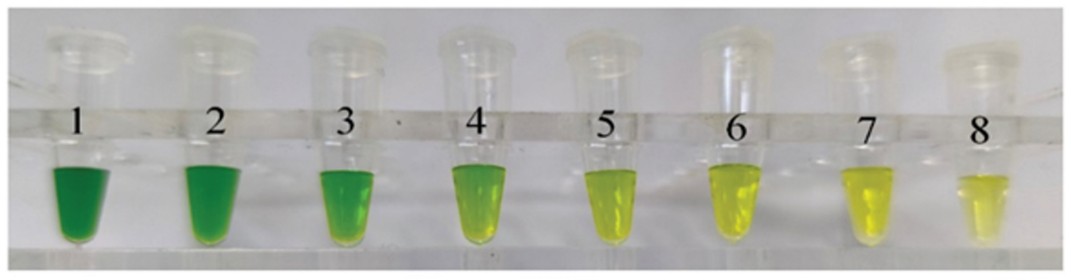
Fig.
1
The change in color as the dye's concentration decreases
Furthermore, the response characteristics of fluorescence spectra to strain were found to be strongly dependent on the initial dye concentration in the matrix. Generally, films with lower dye concentrations are more prone to exhibit strain-induced color changes during tensile deformation[17]. As shown in Fig.1, compared to other samples, sample 3 exhibits a more distinct color transition from green to yellow at a lower dilution factor(4-fold). Therefore, the initial total concentration of MO and MB(9∶1) was set at 1 mmol/L.
2.2 The Optical Properties of Materials
During the film stretching process, assuming that the total volume remains constant(i.e., the dye concentration is unchanged), the reduction in film thickness results in a shorter optical path length, thereby causing a corresponding decrease in absorbance. As evidencd by the data in Figs.2(a)-(b), both dyes exhibits a downward trend in absorbance with increasing applied strain.
According to the Lambert-Beer law, the slopes of the concentration calibration curves are directly proportional to the molar absorptivity of the respective analytes. Due to difference in the molar absorptivity, the magnitude of absorbance change differs with varying concentrations. In particular, as the tensile strain increases gradually, the absorbance of MB exhibits a more pronounced decreasing trend compared to that of MO, owing to its higher molar absorptivity. This results in a progressive increase in the absorption peak intensity ratio at 423 nm and 668 nm(𝐴423nm/𝐴668nm) for the PU-MO/MB film, rising from an initial value of 3.798 to 4.275(as shown in Fig.2(b)). As the color of the material is complementary to the color corresponding to its maximum absorption wavelength, the progressive increase in this ratio(𝐴423nm/𝐴668nm) clearly indicates a gradual change in the color of the film.
The fluorescence emission spectra of PU-MO/MB films as a function of strain are presented in Figs.2(c) and(d). Two distinct emission peaks were observed at 530 nm and 710 nm, corresponding to the fluorescence characteristics of the two dyes. The excitation wavelength(λex) used in the fluorescence spectroscopy experiment, which was set at 365 nm. Experiment results indicate that the fluorescence intensity of the films gradually increases with increasing tensile strain. In the unstretched state, dye molecules exist in an aggregated form, leading to significant intermolecular interactions such as energy transfer, π-π stacking, and surface electron transitions. These interactions result in reduced fluorescence or even quenching of the dyes embedded within the PU matrix. However, as tensile strain increases, the intermolecular distance expands, leading to a reduction in molecular aggregation. This effectively suppresses non-radiative energy loss pathways, thereby significantly enhancing fluorescence intensity[20-21]. Moreover, when subjected to tensile strain, mechanochromic materials typically exhibit pronounced changes in the intensity ratio of their emission peaks[22].Specifically, when the tensile strain of the mixed film increases from 0% to 300%, the 𝐹530nm/𝐹710nm ratio progressively decreases, declining from 84.67 to 5.993.
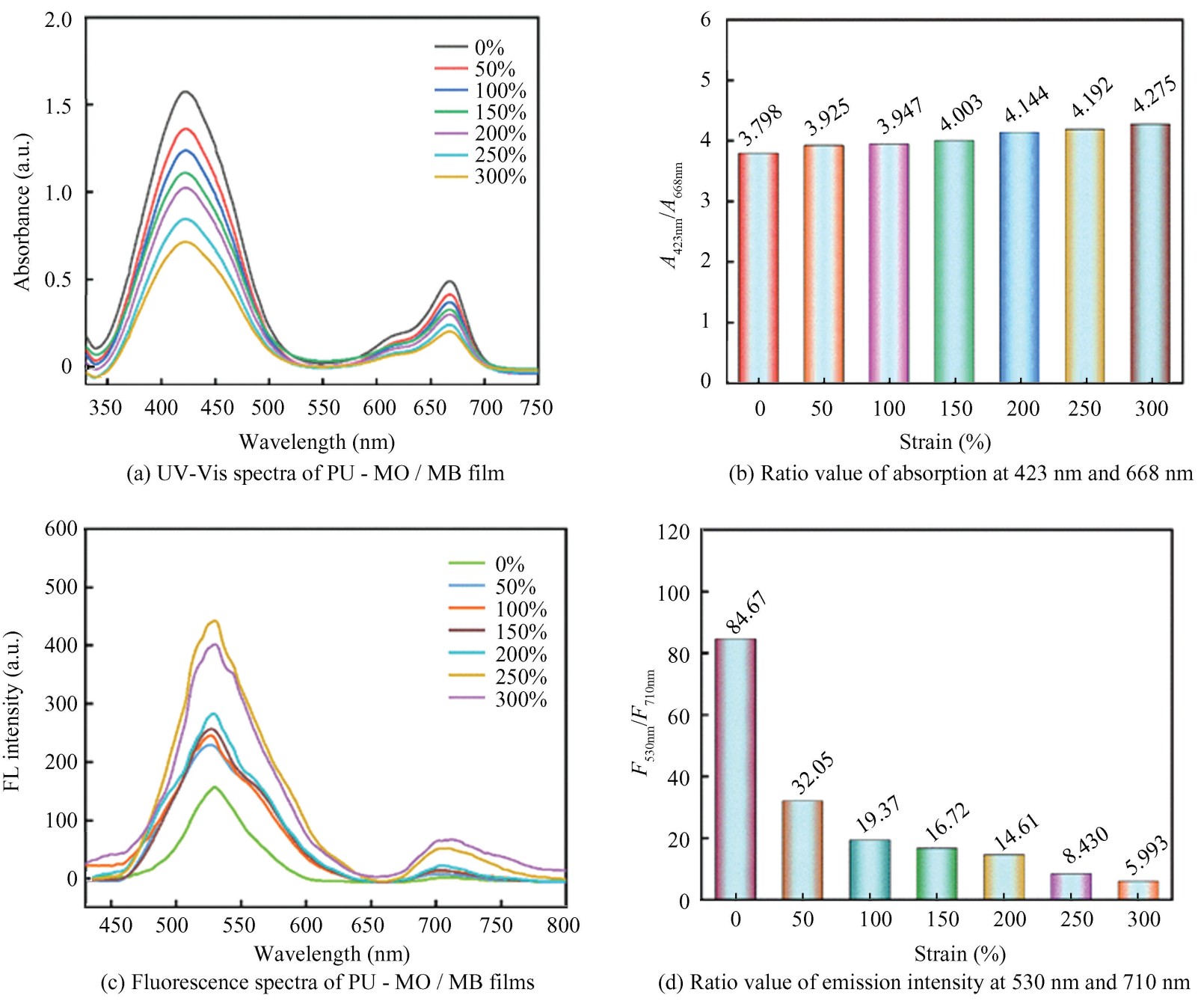
Fig.
2
UV-Vis spectra and fluorescence spectra of the blend films at different strains
2.3 Color Changes with Strain
The blend films in different stretched states are shown in Fig. 3. To accurately characterize the color changes of the blending film with increasing strain, the CIE(International Commission on Illumination) chromaticity diagram was employed to precisely determine the color coordinates[23]. As depicted in Fig. 4, the initial color of the blending film is located in the bright yellowish green region of the CIE diagram(𝑥=0.358 2, 𝑦=0.563 3). Moreover, point 1, 2, 3, and 4 respectively correspond to the color coordinates of the material under strains of 0, 100%, 200%, and 300%. During tensile deformation, its CIE coordinates shifted to the lemon yellow region(𝑥=0.385 5, 𝑦=0.541 2) at 100% strain and further transitioned to the light golden yellow region(𝑥=0.422 0, 𝑦=0.504 6) at 300% strain. This indicates that as the tensile strain increases, the blend film exhibits a distinct color transformation from bright yellowish green to light golden yellow, clearly illustrating the mechanochromic response characteristics of the material under tensile strain.
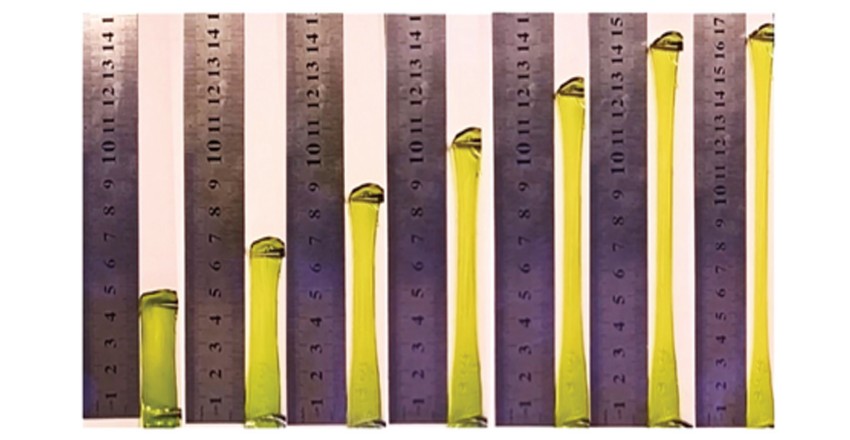
Fig.
3
Photos of the color gradient of the sample after stretching
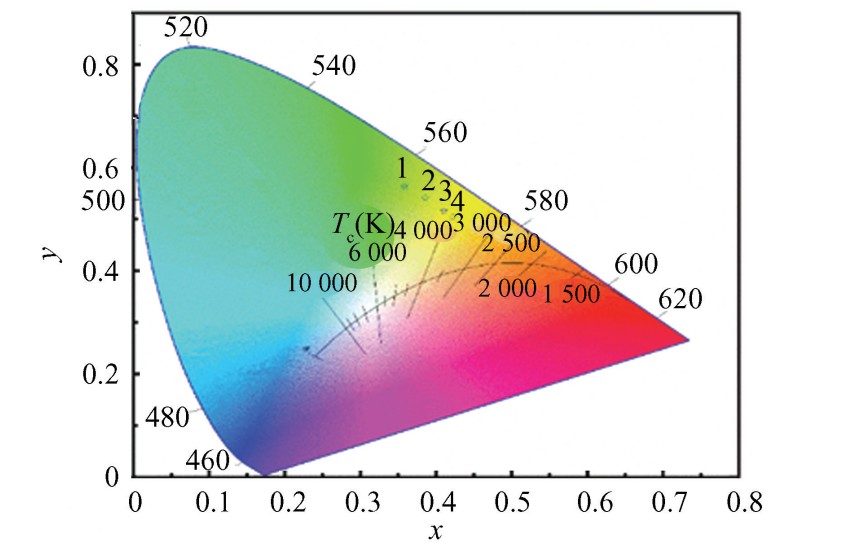
Fig.
4
Changes in the chromaticity diagram (standard CIE 1931) of blend film (𝑇c(K) denotes the corretated color temperature)
2.4 Thermal and Mechanical Properties of Materials
As common functional materials evaluating the influence of fillers on PU elastomers performance is of great significance. Therefore, the thermal and mechanical properties of the blend films were investigated.
Fig.5(a) and Fig.5(b) indicate that two prominent thermal decomposition peaks are observed within the temperature range of 260 ℃ to 450 ℃. Specifically, the first decomposition peak occurs at approximately 300 ℃, primarily resulting from the decomposition of urethane groups. The second decomposition peak is observed at around 400 ℃, mainly attributed to the decomposition of polyether polyols in the PU molecular chain. Due to the low dye content, the addition of dyes had no significant effect on the onset decomposition temperature(𝑇5%), end of decomposition temperature, and residual carbon rate. Blending of dyes resulted in only a slight decrease in the peak decomposition temperature of PU.
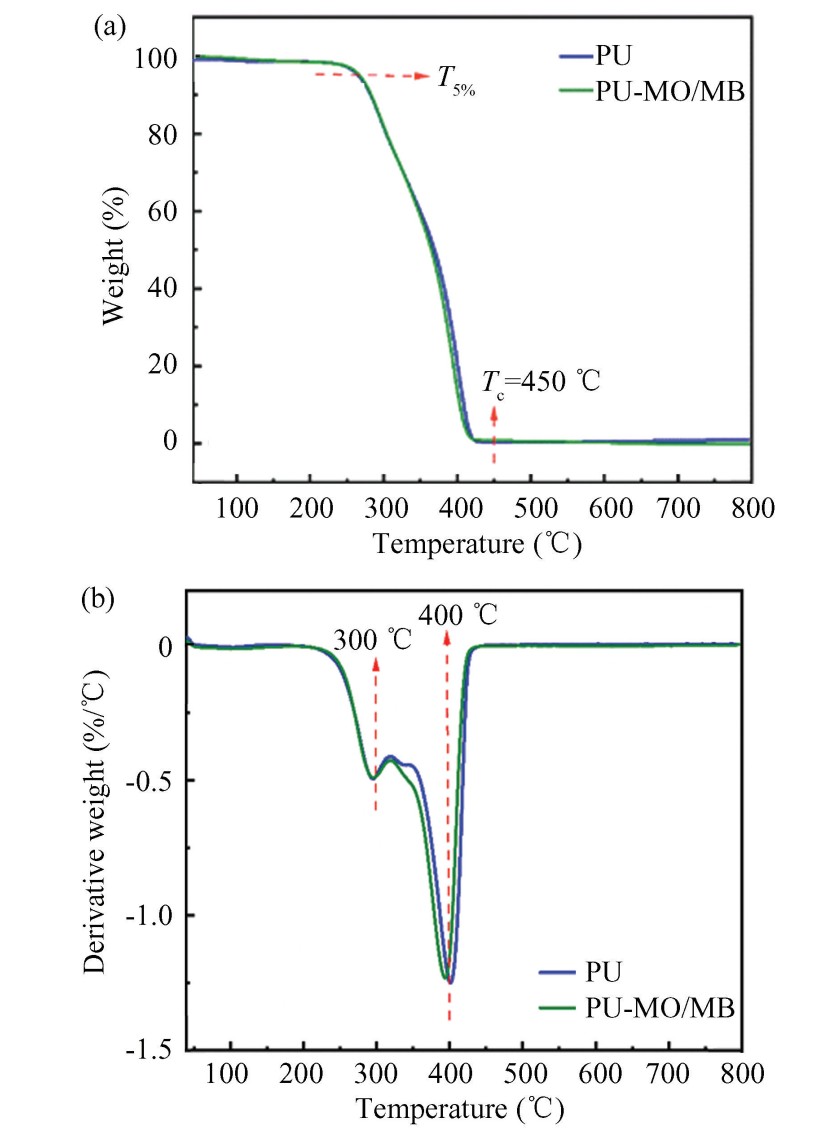
Fig.
5
(a) TGA and (b) DTG curves of PU and PU-MO/MB films
However, the incorporation of dyes has a certain effect on the mechanical properties of materials. Compared to pure PU, the modulus and breaking stress of the blend film were reduced, whereas the maximum elongation of the material was enhanced(as shown in Fig. 6). Moreover, through integration calculations, it was found that the fracture energy of PU-MO/MB(7.01 MJ/m3) was marginally lower than that of PU(7.22 MJ/m3). The small molecules of dyes impact PU properties similiarly to plasticizers. By intercalating between polymer chains, dye molecules weaken the intermolecular forces. As a result, the elongation at break of the material increases, whereas the modulus and tensile strength exhibit a slight decrease.
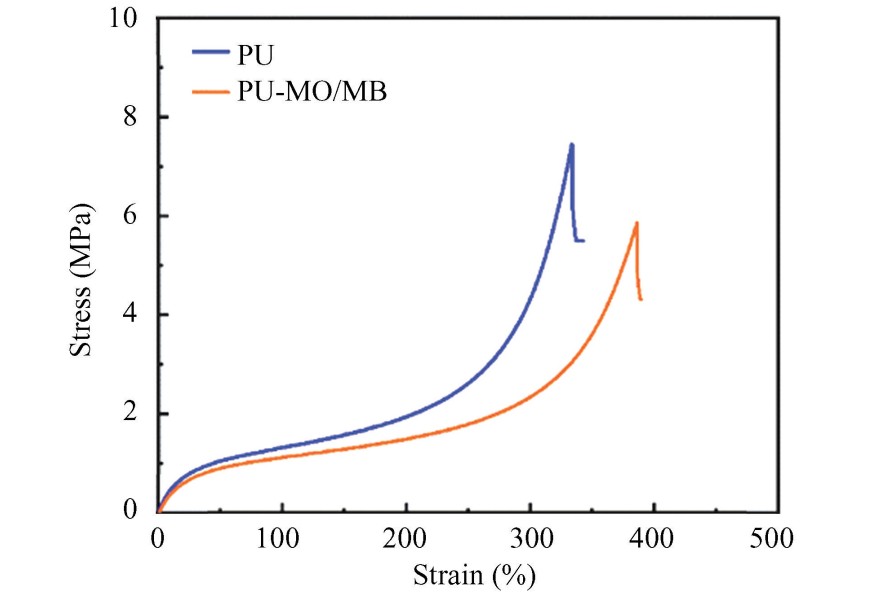
Fig.
6
Stress-strain curves of PU and PU-MO/MB
2.5 Hydrophobicity of PU-MO/MB Film
In this study, the contact angle of the PU-MO/MB sample was further investigated, with the results presented in Fig. 7. The contact angle of PU without dyes is measured to be 95°. Dye doping increases the contact angle to 105°, demonstrating a significant enhancement in its hydrophobic properties and confirmingthe material's superior water resistance. Such remarkable water-resistant properties render the PU-MO/MB material highly suitable for potential applications in underwater environments, including ships and marine settings.
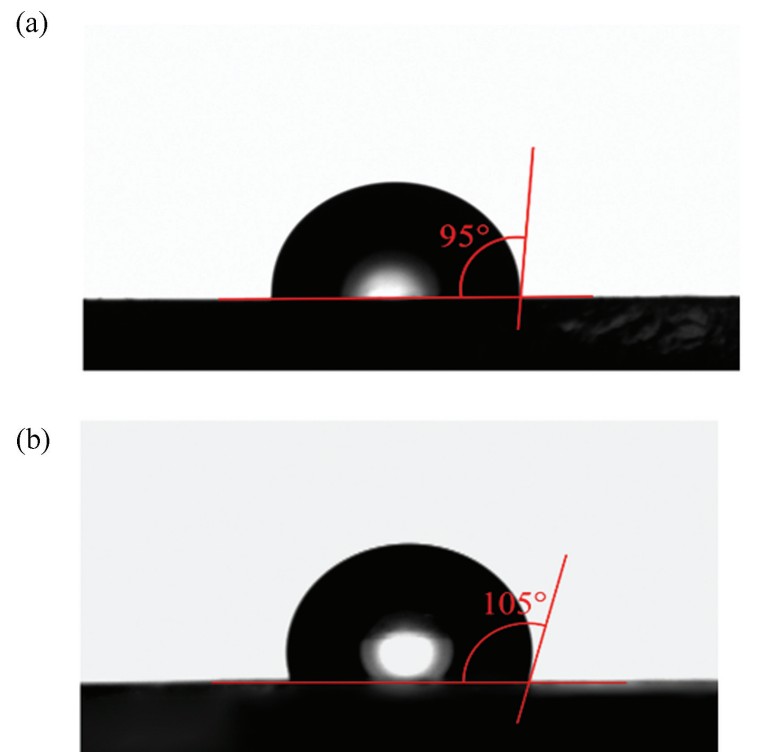
Fig.
7
Schematic diagram of the contact angle of PU-MO/MB
This finding aligns with its low water absorption rate, providing further evidence of the material's superior water resistance. Such remarkable water-resistant properties render the PU-MO/MB material highly suitable for potential applications in underwater environments, including ships and marine settings.
3 Conclusions
In summary, based on the ratio luminescence mechanism, mechanochromic films were successfully prepared by simply blending PU with low concentration MB and MO. As the strain increases, the color of the blend film gradually shifts from bright yellowish green to golden yellow. In the absorption spectra, the 𝐴423nm/𝐴668nm ratio demonstrated a progressively increasing trend, whereas in the fluorescence emission spectrum, the 𝐹530nm/𝐹710nm ratio showed a correspondingly decreasing trend. The doping of dyes had a relatively minor effect on the thermal properties of PU, but it decreased both tensile strength and modulus. This work introduces a novel preparation method that demonstrates promising application potential in the fabrication of mechanochromic materials and holds significant potential for applications in areas such as underwater equipment and aerospace technology.
Supporting Information
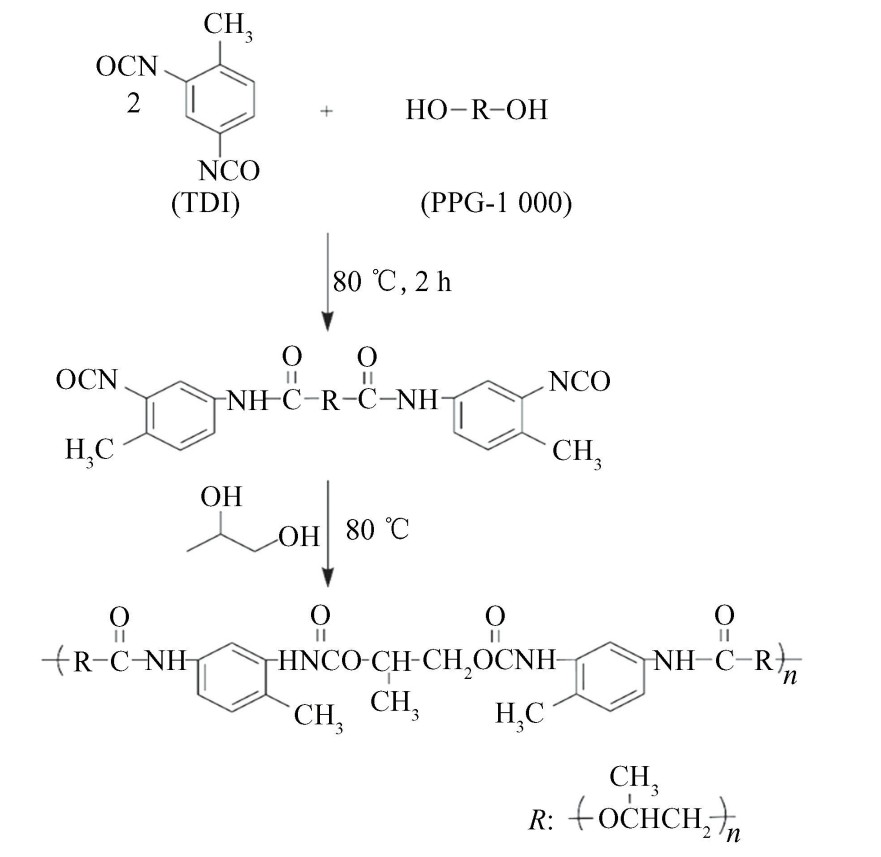
Fig.S1 Synthesis methods of polyurethane
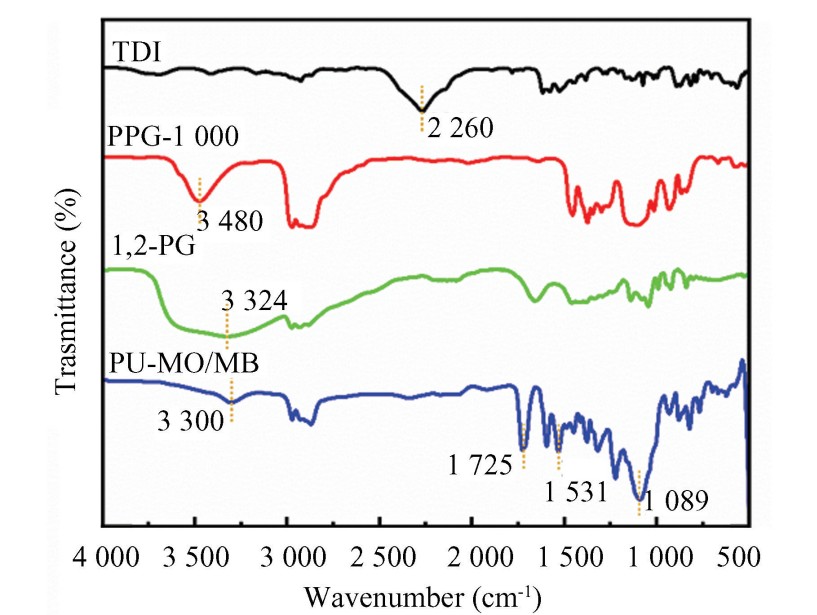
Fig.S2 FT-IR spectra of TDI,PPG1000,PG and PU-MO/ MB film
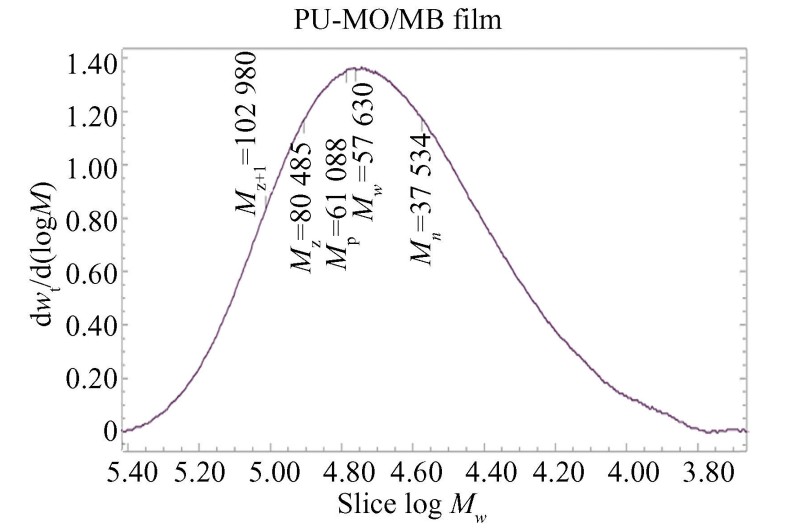
Fig.S3 GPC data of PU film(𝑀p denotes peak molecular weight)
Table S1 Average molecular weight and polydispersity index of the sample

The number-average molecular weight(𝑀𝑛)of the polyurethane was determined to be 37 534,with a polydispersity index(PDI)of 1.5.
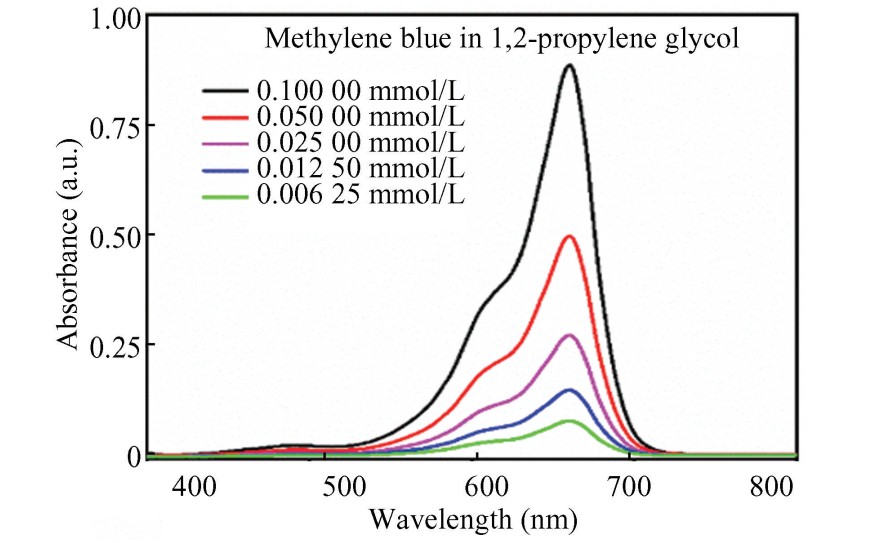
Fig.S4 UV-Vis spectra of MO in PG solution
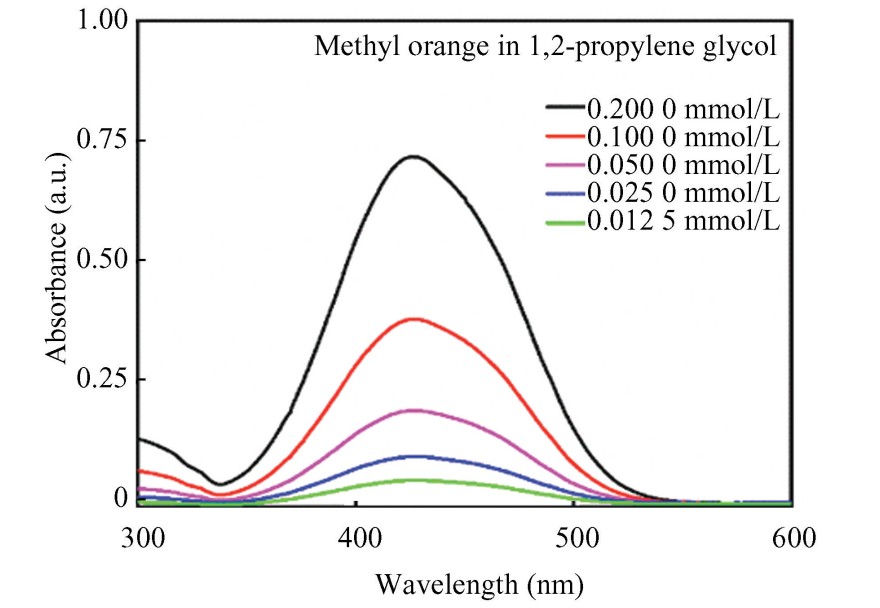
Fig.S5 UV-Vis spectra of MB in PG solution
