Abstract
Piston is one of the most important components of an engine. It facilitates the conversion of heat energy into useful mechanical work through its to and fro motion. During its to and fro movement, it is often subjected to various mechanical stresses and thermal loads. Therefore, it is quite important to study these external factors acting on piston for its proper functions and prolonged life span. In this paper, structural analysis of a conventional piston made of AlSi alloy was investigated. Secondly, analysis was performed on ceramic coated AlSi alloy piston material. The material used for ceramic coating is MgZrO3 (Magnesium zirconium oxide) and PYSZ (Partially Yttria Stabilized Zirconia). The design of piston was carried out in Autodesk Fusion 360 software. The coating thickness varies in nature and the analysis was performed using the ANSYS software. Finally, the results of conventional piston, MgZrO3 coated piston and PYSZ coated piston, with varying layer thicknesses were found out and compared with each other. It was found that the MgZrO3 coating material is better than PYSZ coating material as it has better fracture toughness, is harder than PYSZ material, and provide improved thermal and structural shock absorbing capability.
Keywords
0 Introduction
Piston is an important component of an engine, and while in motion, it undergoes structural and thermal loads. Both these loads are responsible for the failure of the piston[1-2]. While in working condition, the piston undergoes a variety of structural and thermal loads which play an important role in examining the overall performance of the engine. The piston is subjected to various structural and thermal loads, including combustion pressure, tensile and compressive forces, as well as thermal effects such as thermal expansion, temperature gradients, and the resulting thermal stresses[3].The combination of these loads leads to piston failure, decreased efficiency, and reduced piston longevity. A piston is simply a movable metal piece and is made of aluminum and its alloy, which makes the engine lighter, and improves efficiency. Earlier, the pistons were made of cast iron and its alloys, but they were obsolete because of their low thermal efficiency and heavier weight. The most commonly used materials are aluminum and silicon alloys[4-5]. These are preferred for both gasoline and diesel engines because of their explicit properties, such as high reliability, low density, high thermal conductivity, good recyclability, simple manufacturing techniques, excellent machinability, etc.
Piston undergoes tensile and compressive stresses caused by the deforming action due to the pressure of thermal loading[6]. When the combustion process begins inside the engine, the temperature of the piston rises. The increase in temperature causes the piston to expand, generating tensile stress, particularly at the crown surface, as it is most affected by the heat. This situation occurs because the piston crown surface attempts to expand but is restrained by cooler areas, such as the piston skirt regions, leading to the generation of tensile stress[7]. Once the combustion cycle is completed, the piston begins to cool down. As it cools, the material contracts, resulting in the development of compressive stresses. These stresses mainly occur between the crown and skirt regions, as well as near the corners and edges of the piston, where heat dissipation is less uniform[8]. Fatigue cracks are also formed due to these loads and stresses, which can lead to catastrophic piston failures. Such failures are highly undesirable since the piston plays a critical role in an Internal Combustion (I.C.) engine, enabling reciprocating motion within the cylinder[9]. The primary function of the piston is to transfer power to the main rotating crankshaft through the connecting rod when the air-fuel mixture expands inside the cylinder chamber.
The piston must have several key characteristics to ensure optimal performance and efficiency. These include being lightweight, minimizing wear and tear to reduce noise, and having a high strength-to-weight ratio for smooth reciprocation. Additionally, it should be capable of withstanding distortion when exposed to high temperatures and pressures.
Several studies have reported various analyses and investigations on the thermo-mechanical behaviour of pistons in Internal Combustion (I.C.) engines[10-11]. The feasibility of various newer materials as a substitute for the conventionally used cast iron has been investigated by several researchers[12-13]. Cerit[3] investigated the viability of applying a ceramic coating to selected areas of AlSi alloy piston with ceramic material, where temperature and stress distribution analyses were conducted using ANSYS. The results were compared with those of a conventional AlSi alloy piston. The base material selected for the piston was AlSi alloy, with MgZrO3 as the ceramic coating material and NiCrAl as the bond coat. The analyses were carried out on both uncoated and coated pistons with varying coating thicknesses, and the optimal results were determined. The analysis revealed that a coating thickness of 1 mm resulted in reduced stress and improved temperature distribution.
Shinde et al.[4] conducted a static structural analysis on a conventional aluminum alloy A2618 piston and compared their analytical results with pistons made from Al-GHY1250 and Al-GHS1300 alloys, using ANSYS simulation software. The feasibility of the two newly proposed materials was verified through analysis, which found that Al-GHY1250 and Al-GHS1300 were more suitable materials compared to the conventional aluminum alloy A2618 due to their superior properties. Dhamecha et al.[5] conducted a comparative computational analysis of three different materials as alternatives for pistons, primarily for high-speed cars and bikes. The materials considered for comparison were aluminum 2618 alloy, aluminum alloy GHS 1300, and Ti-6Al-4V. The analysis suggested that Ti-6Al-4V is the most suitable material for high-speed cars, while Al-GHS 1300 is better suited for high-speed engines, particularly in bikes, due to its lower deformation, improved temperature distribution, and reduced equivalent stress.
Kumar[6] conducted a thermo-mechanical analysis of a four-stroke engine piston using two different materials and compared their results to propose the most feasible material. The materials considered for the analysis were aluminum alloy and zirconium diboride (ZrB2) reinforced with silicon carbide (SiC) . The analyzed results indicated that the zirconium diboride material reinforced with silicon carbide performed better than the aluminum alloy piston, as the ZrB2 piston exhibited less deformation, strain, heat flux, along with improved temperature distribution.
Buyukkaya[7] conducted a comparative analysis of different materials with functionally graded coatings of varying thicknesses to study the thermal behavior of engine pistons. The materials considered were aluminum-silicon alloy, steel, with MgZrO3 used as the coating material. The analysis revealed that the AlSi alloy piston with a1 mm thick functionally graded coating exhibited better temperature distribution and lower heat flux compared with the steel piston with a functionally graded coating.Buyukkaya and Cerit[8] conducted a thermal analysis comparison between conventional diesel pistons, specifically AlSi alloy and steel material pistons. MgZrO3 coating of 0.5 mm thickness was applied to both pistons. The analysis showed that using the coating increased the material's resistance to deformation. The maximum temperature of the ceramic-coated steel piston was approximately 14% higher than that of the ceramic-coated AlSi alloy piston.
Sharma et al.[9] performed the comparative thermal analysis of an engine piston without and with ceramic coating, and the feasible condition as an output result was proposed. The materials used were AlSi alloy for the piston and lanthanum cerate (La2Ce2O7) as the ceramic coating material. The coating thickness ranged from 0.4 to 1.6 mm. The analysis indicated that increasing the coating thickness raised the maximum temperature, which in turn reduced the piston wall temperature and improved efficiency.
Most research relies on the finite element method for simulations to analyse how pistons behave under various factors such as stress, heat transfer, and others. Many studies focused on the thermal analysis of pistons, primarily concentrating on steady-state temperature distribution to determine the ideal material for piston manufacturing. Several investigations also examined the effects of ceramic coatings on pistons made from various materials, including partial coatings. However, there is a noticeable gap in research on the structural analysis of the piston, such as stress, deformation, and strain. This gap is crucial because it may lead to catastrophic piston failures.
The current study focuses on the mechanical analysis of an engine piston by applying different types of ceramic coating materials to the conventional AlSi alloy piston. The materials were selected based on a thorough review of existing literatures. After performing the analysis, predictions are made for the piston's deformation, equivalent stress, and equivalent strain. Finally, a comparison is made between the uncoated piston (base material) and those with different coating materials. Based on the results, the most suitable coating material is identified.
1 Material and Methods
1.1 Materials
The most common materials for manufacturing the piston of an I.C. engine or SI engine are cast iron, Aluminium alloy and cast steel, etc. Cast iron pistons are obsolete nowadays because of their lower speed caused by their heavy weight. But these pistons had good resistance to wear and had greater strength[14]. The aluminum alloy pistons are lighter in weight and lower the running temperature because of their higher thermal conductivity. Therefore, aluminum alloys are more preferred than cast iron for their usage as engine pistons[15]. Since AlSi alloy materials are lighter than cast iron, this weight reduction helps reduce the overall weight of engine, resulting in improved fuel efficiency, better acceleration, good for higher RPMs compared with cast iron. Compared to cast iron, AlSi alloy has significantly better heat dissipation, which lowers the chances of the piston overheating. Its superior thermal conductivity helps protect the piston from heat-related failures, a drawback often seen in cast iron pistons[16]. AlSi alloys are less susceptible to rusting than cast iron, therefore, AlSi alloy has better corrosion resistance than cast iron. Cast iron, when exposed to continuous fuel and exhaust gases over a long time, corrodes somewhat easily, resulting in more wear and tear compared with AlSi alloy. Therefore, AlSi alloy material is selected over cast iron material. The material chosen for analysis in this study is aluminum alloy because of its features.
The aluminum and silicon alloy material possesses higher thermal conductivity and has a lower density than cast iron. The higher thermal conductivity allows heat to be quickly absorbed and transferred from the crown surface to the skirt area of the piston, ensuring efficient heat management. This effective heat utilization leads to improved engine efficiency.The material's low density makes the piston lighter and reduces the engine's overall mass[17-20]. Therefore, fuel consumption and heat required to reciprocate the piston are also reduced, making acceleration and deceleration easier and resulting in lower fuel consumption compared with others.
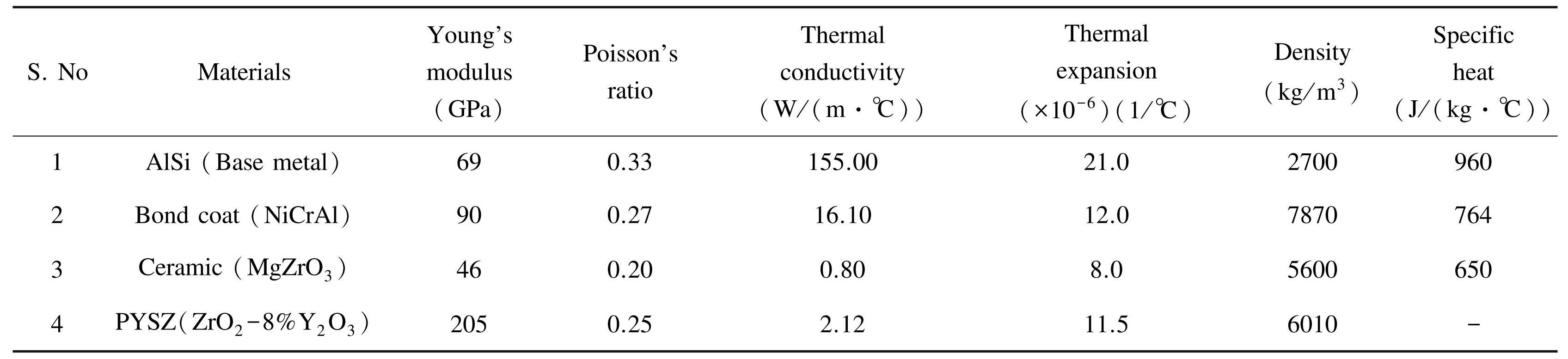
For ceramic coating, MgZrO3 and PYSZ (ZrO2-8%Y2O3) were selected. The bond material required for coating is NiCrAl, all these materials were selected based on the analysis presented in Refs.[2-3], as shown in Table1.
1.2 Design and Meshing of Piston
The design of piston was carried out using Autodesk Fusion 360 for designing and analysis software, and the designed file (with .iges extension) was exported to ANSYS software for further analysis. Then, in ANSYS Workbench, the static structural standalone system was selected after the required materials were added in the Engineering Data option. After material assignment, the import of material was done using the geometry option in the static structural system. The interface of the static structural system in ANSYS Workbench is shown in Fig.1. Fig.2 provides the2D sketch of the CAD model with dimensions measured in millimeters (mm) .
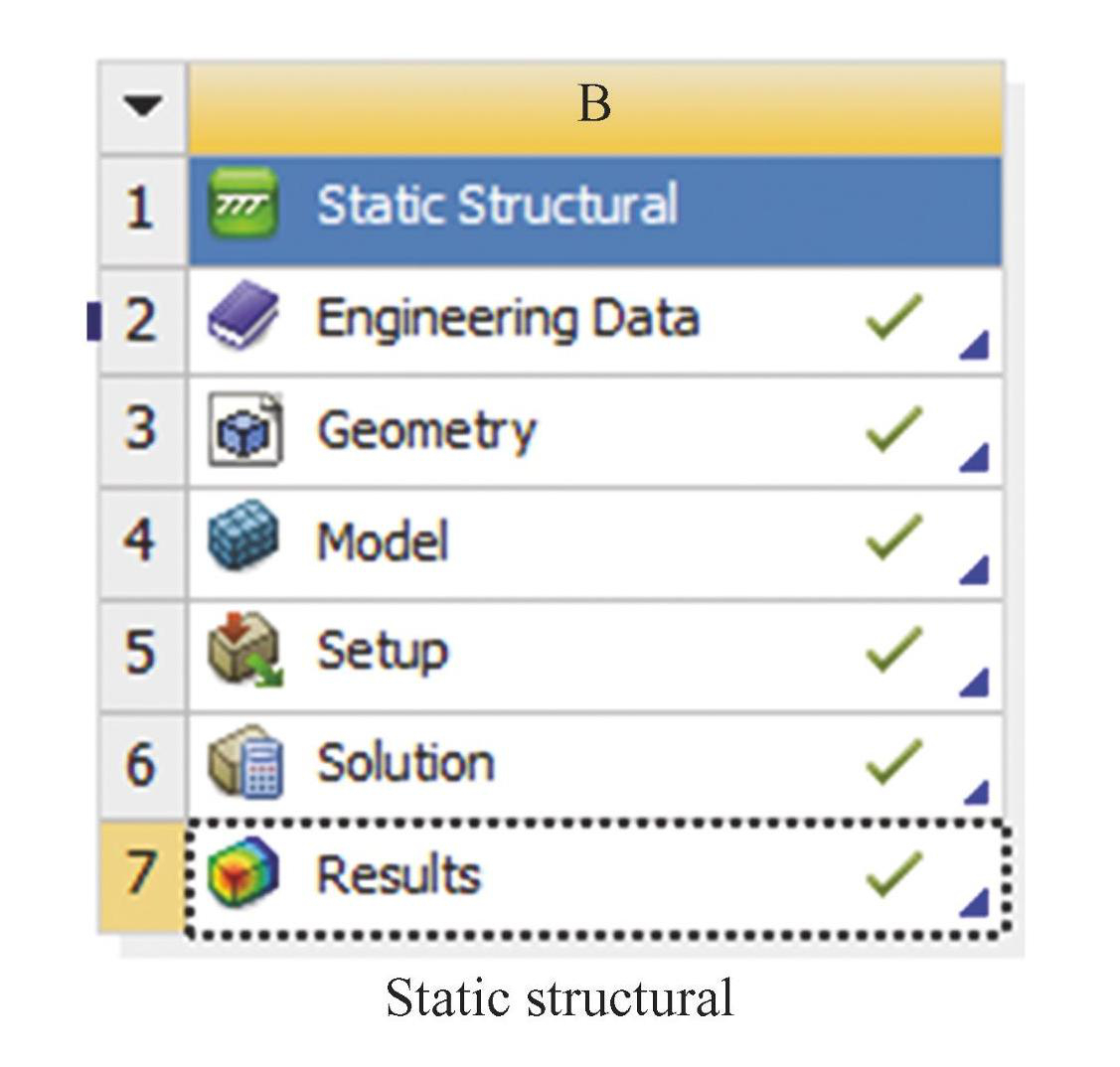
Fig.1Static structural interface
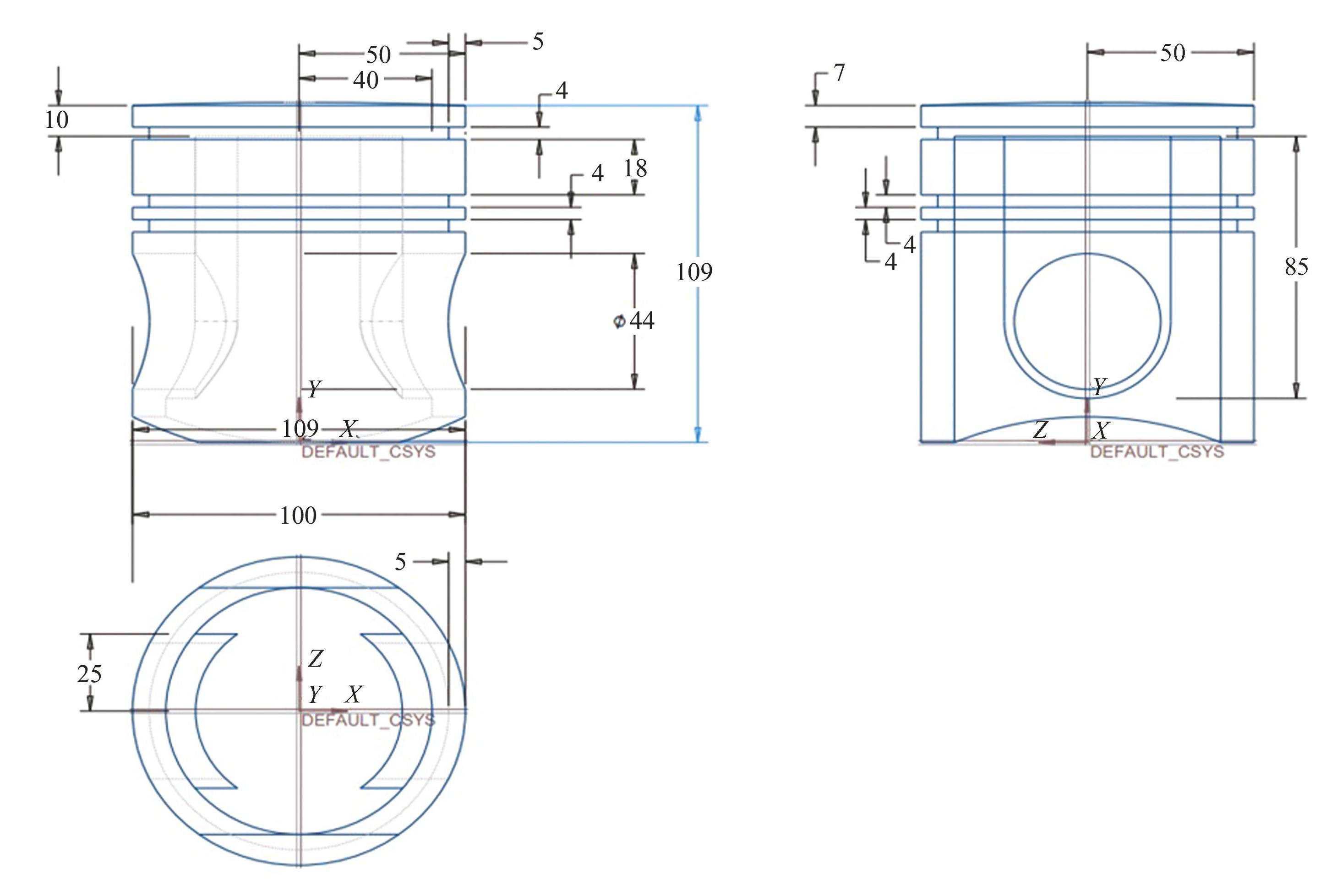
Fig.2Sketch of SI engine piston (Unit:mm)
After assigning the material properties and importing the CAD model, the CAD model was selected for modelling. Fig.3 depicts the3D CAD model. After the complete body of piston was selected, meshing was performed. A mesh size of 3 mm was selected, and the elements were tetrahedral in shape. The meshing feature was used to provide an optimum skewness value. Skewness is the feature which is used to evaluate the deviation of edges and angles of the created mesh from the ideal state[21]. The meshed view of 3D designed piston is shown in Fig.4.
From the very beginning, the piston model was designed using CAD software, it was exported to ANSYS for further processing. After exporting the CAD file, the analysis system was selected based on the requirement, where a static structural state analysis system was selected. Then the materials required for performing the analysis were assigned or added using the engineering data option, the required properties of the materials were provided for adding it. After that, the modelling was done in the analysis system which was selected previously in ANSYS software. During modelling, the required input parameters and boundary conditions were provided for the analysis.
For performing the structural analysis of piston, input parameters, such as material properties, mechanical loading conditions, boundary conditions and constraints were selected. Material properties, such as density, Young's modulus of elasticity, Poisson's ratio, ultimate tensile strength, etc., were considered. Mechanical loading primarily includes combustion pressure, and boundary conditions include pin and rod constraints at both ends and frictionless support at pin area to move freely without friction. These parameters were selected because they were responsible for evaluation of performance, strength, durability, toughness, etc., of the engine piston, and these loads are crucial for evaluating the stress generated on the piston during operation. And finally, after applying all the loads and boundary conditions, the required output parameters were selected, and the analysis results were obtained.
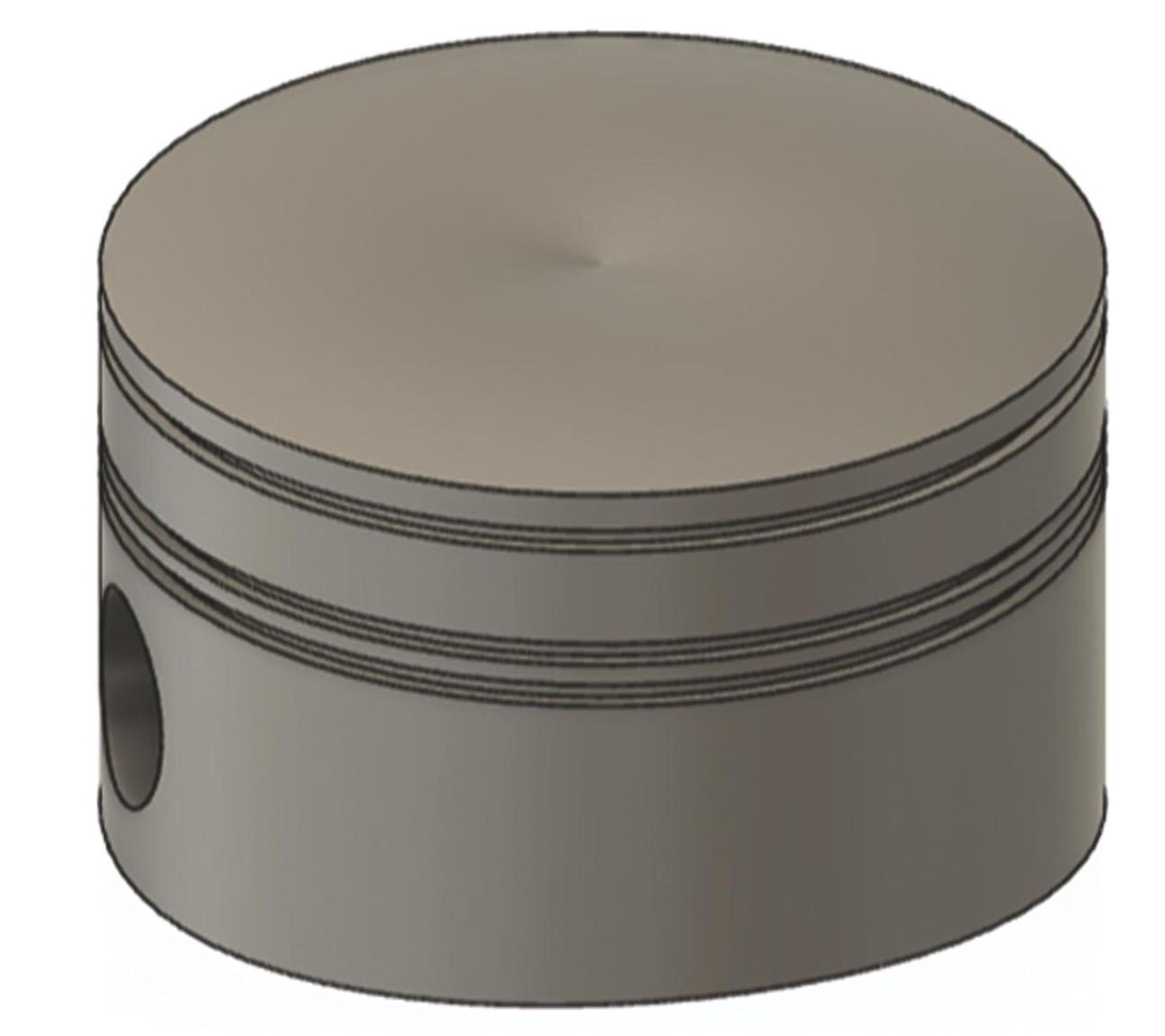
Fig.33D model of piston
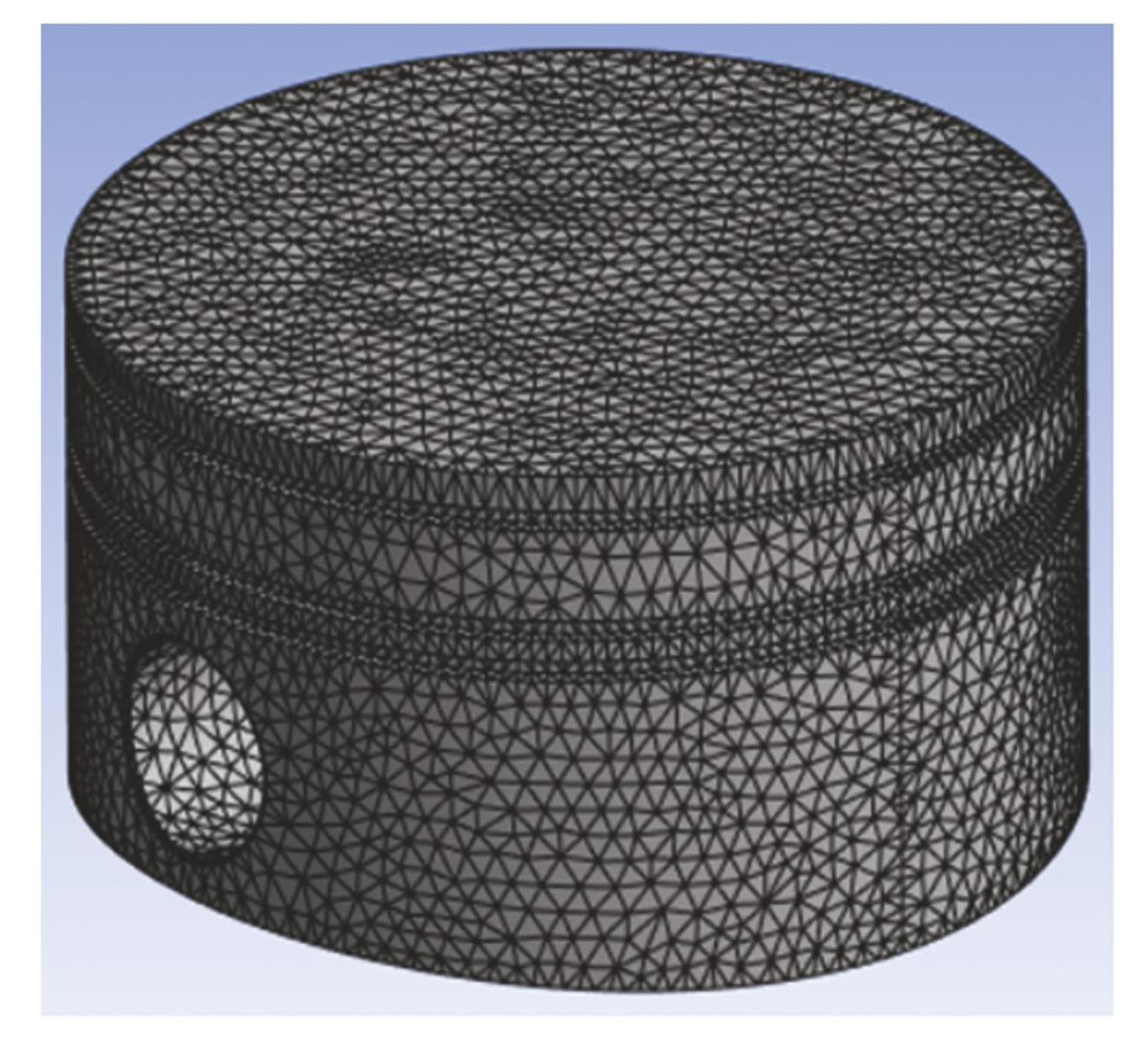
Fig.4Meshing of piston model
1.3 Mathematical Formulation
For calculating the pressure value to apply boundary load in the simulation software, the engine specifications are required, as shown in Table2.
Table2Engine specifications
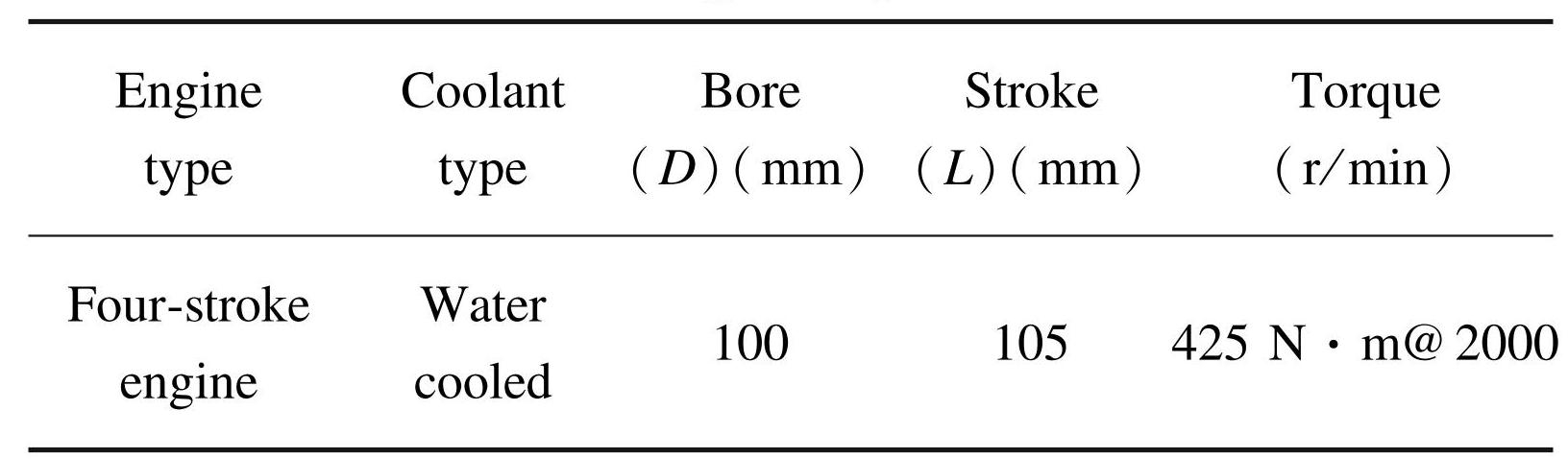
Pressure is calculated using the engine specifications (Mechanical efficiency of engine (η) is 80%) and formulas:
(1)
(2)
Also
(3)
where B.P is the brake power; I.P is indicating power; N represents engine speed (r/min) ; T is torque of engine (N·m) ; P is pressure (MPa) ; A is area of piston (m2) ; L is stroke length of piston (mm) ; Maximum pressure is 80.97 MPa.
To calculate the maximum combustion pressure developed upon the piston, brake power formula (Eq. (1) ) and indicating power (Eq. (2) ) were calculated first. Then, the value obtained from Eq. (2) is substituted into Eq. (3) for pressure calculation. Brake power calculation provides the real time power output from an engine before the frictional or other losses. Indicating power is used to evaluate the power generated from the combustion pressure inside the cylinder chamber[22-23]. Using the above formula and required inputs, the combustion pressure is calculated. The expression 425 N·m@2000 r/min provides the torque value of an engine, which provides the value of rotational force under certain revolutions per minute. It means the engine can rotate around an axis with a force of 425 N·m and makes 2000 complete revolutions of crankshaft per minute.
1.4 Static Structural Analysis
Static structural analysis is used to calculate displacements, stresses etc. under the loading conditions. Fig.5 depicts the flowchart of the static structural analysis system used for performing the structural analysis of piston. At first, the analysis system was selected in ANSYS software. Then, the3D CAD model was imported to the geometry section of static structural analysis system. After that, the required material properties were provided using engineering data section, in which the required properties, such as modulus of elasticity, Poisson's ratio, and density were added[24]. Then, modelling of the CAD model was done, including material properties, and it was meshed. Input combustion pressure, fixed support, and frictionless support boundary conditions were provided after the meshing operation. Finally, the model was solved, and required output results such as total deformation, equivalent-stress, and equivalent strain were obtained. If the results obtained were not feasible according to the requirements, the entire process was rechecked for errors and resolved again[25-26]. After the results were obtained accurately, the analysis was stopped, and the results were saved.
In static structural analysis, the required input variables are basically the loads and supports.Here, the applied load is pressure, and the supports are fixed supports at both ends of piston pin hole area because it prevents the piston from making unwanted movements inside the cylinder. And frictionless support is provided at piston pin hole as the pin can freely move and rotate inside the hole[27-29]. After assigning the boundary conditions, it is then subjected to load to get the results of deformation, stress and strain for each of the input conditions. Fig.6 (a) shows the input pressure area. Figs.6 (b) and 6 (c) show the supports provided. At the time of solution, the outputs were selected as total deformation, equivalent stress, and equivalent strain, and then, the solve command was provided. After solving the provided input parameters, the output results were obtained.
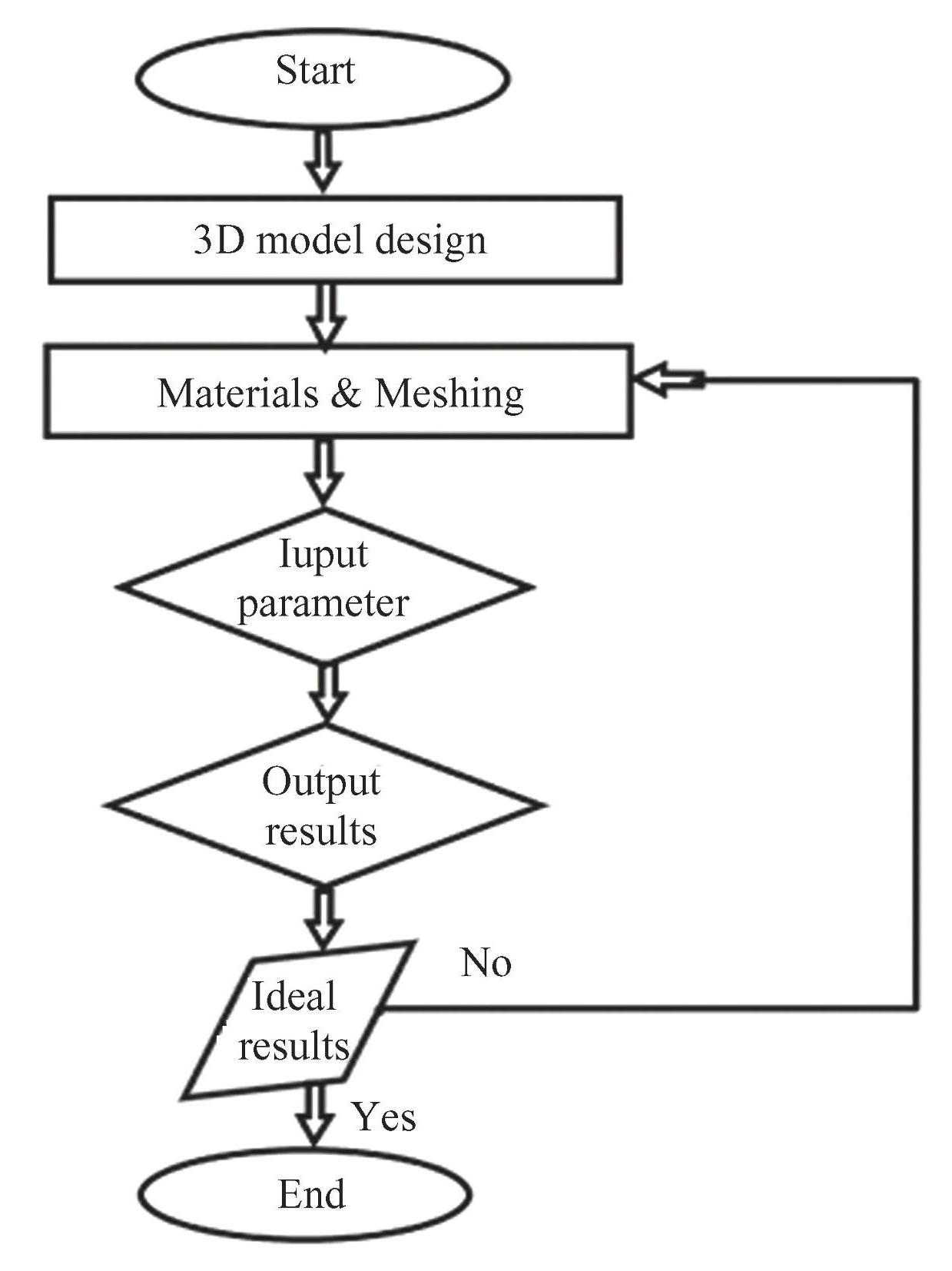
Fig.5Flowchart of static structural analysis system
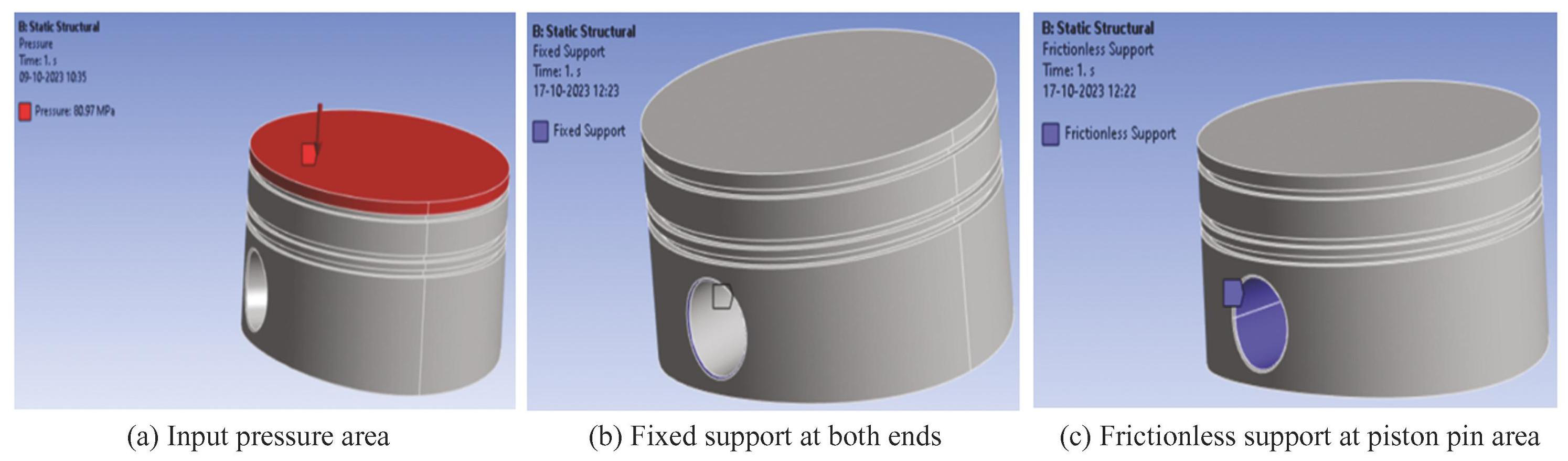
Fig.6Input parameters and boundary conditions
2 Results and Discussions
Structural analysis is also known as the mechanical analysis in which the input parameters such as force, pressure, acceleration, were provided along with certain required boundary conditions, and the outputs such as total deformation, equivalent-stress were obtained as result.Similarly, for the mechanical analysis of piston using ANSYS software, the static-structural analysis system was selected, and the above-stated steps were followed, and then the analysis was performed, yielding the resultant parameters: total deformation, equivalent-stress, and equivalent-strain, respectively[30].
After performing the structural analysis of the piston model in ANSYS software, the output parameters are shown in Table3. First, the result of the uncoated material (base metal) piston was recorded. For comparing with the coated analysis result, the analysis was carried out for conventional AlSi alloy material, which is also known as the base metal, and the results were recorded . The total deformation, equivalent stress and strain values of base metal piston were found to be 0.22899 mm, 607.96 MPa and 0.007972, respectively. Fig.7 shows the analyzed results.
Table3Analysis result of base metal

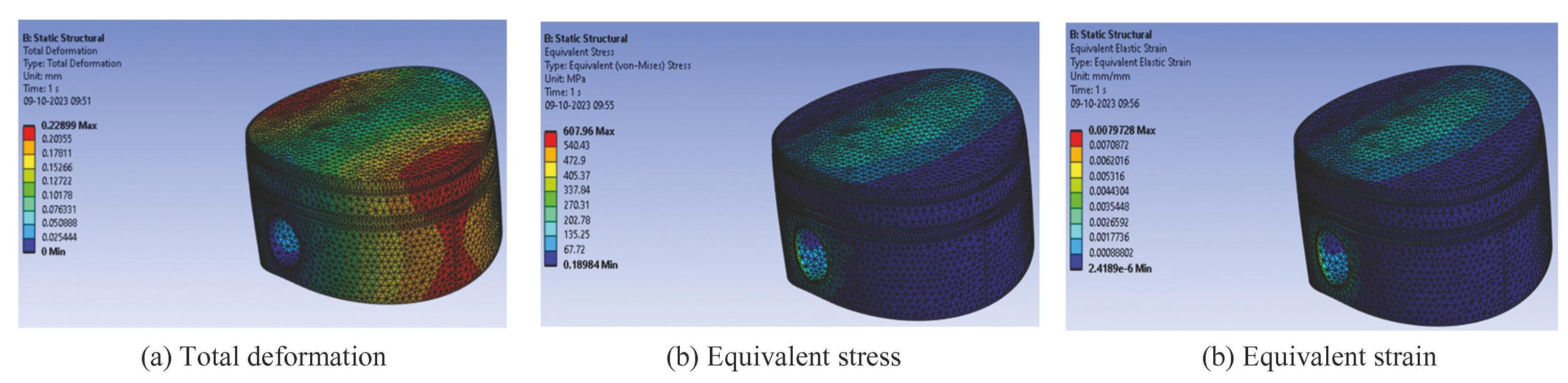
Fig.7Analytical results of base material
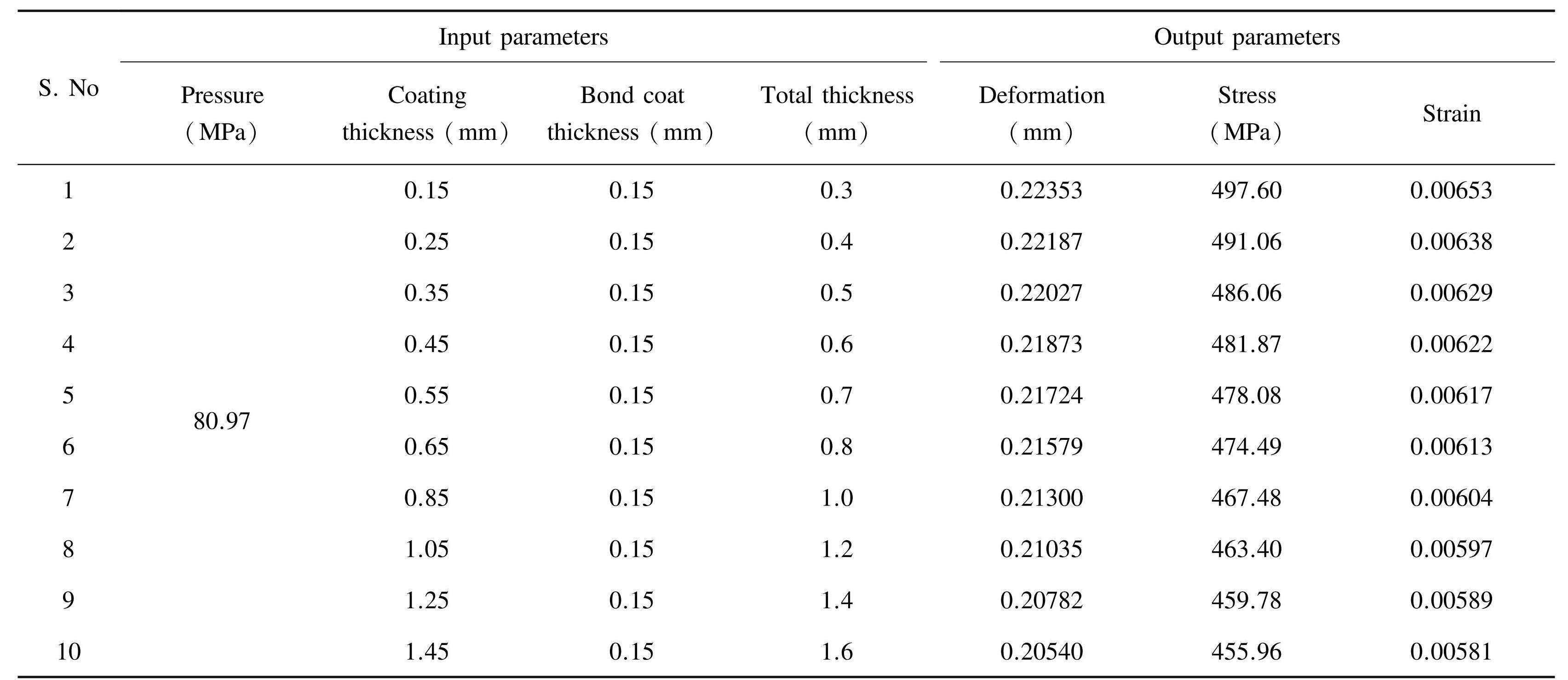
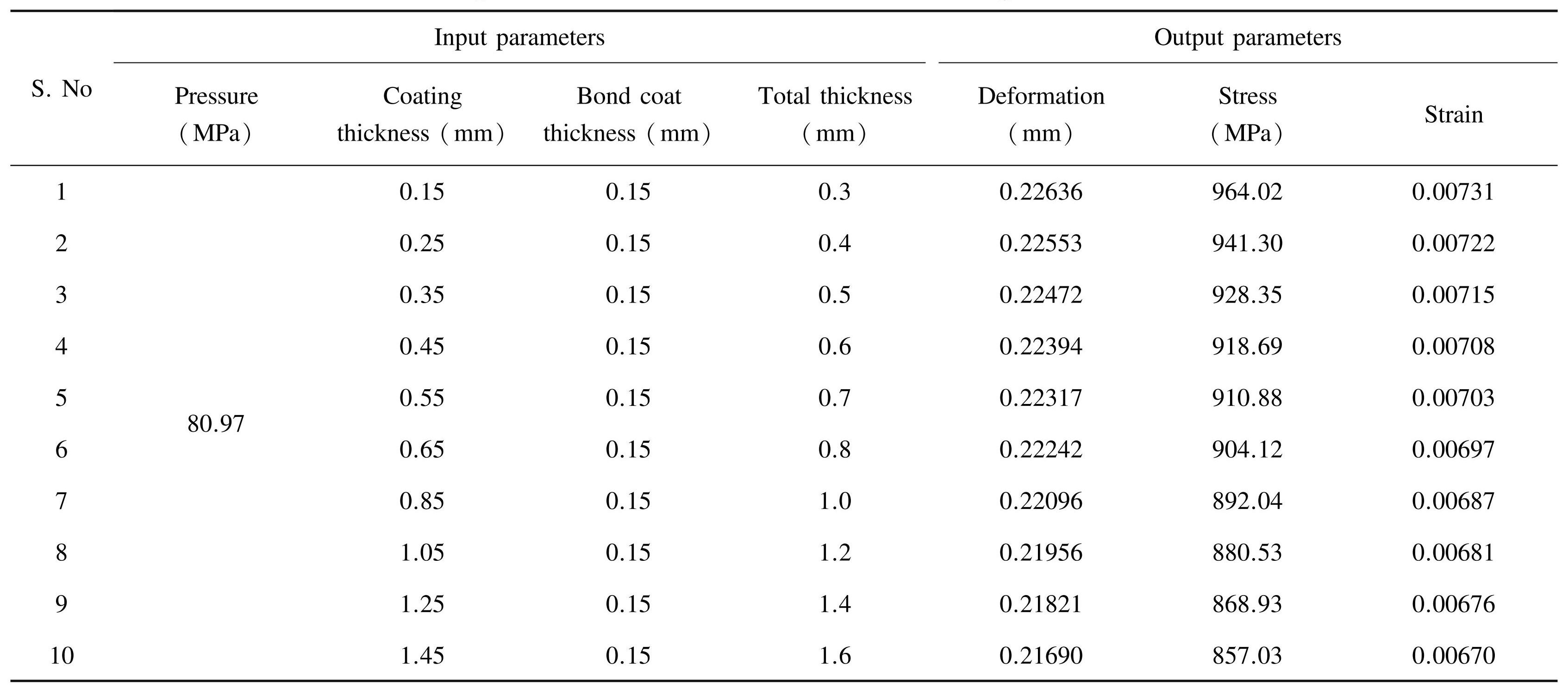
Although the sequence of the results is similar, the piston's deformation, stress and strain values decrease from the top to the bottom, with the highest values at the top surface of the piston and gradually decreasing . Since the piston crown experiences the maximum load as it is directly exposed to the combustion process, therefore, maximum deformation, stress, etc are generated at the top surface of the piston. When the maximum load is experienced by the crown, less load is experienced at the piston ring area or pin area due to lower deformation, stress is generated upon them. And the piston skirt experiences the lowest results because skirt region is far away from the crown, and it generally maintains the friction and unwanted movement of piston during working. After analyzing the base metal, the results of different ceramic coated piston materials were recorded. Table4 and Fig.8 show the analysed results of piston with MgZrO3 ceramic coating, Table5 and Fig.9 contain the analysed results of piston coated with PYSZ ceramic material. After that, the output values of both coated materials are compared, and the best suitable coated material was also found which resists more and more equivalent stress values and increases the overall efficiency of the piston.
Table4Tabulation of analysis of MgZrO3 &NiCrAl ceramic coating material with AlSi as base metal
Ceramic coatings like MgZrO3 and PYSZ are applied to pistons to enhance their efficiency and longevity, thereby reducing wear and tear. As the ceramic coating is applied upon the conventional base metal, it reduces the stresses, deformations, etc. generated during the motion of piston[31].When the engine operates, the piston crown is exposed to intense pressure and heat due to direct contact with the combustion gases, leading to deformation, stress, and strain. Applying a ceramic coating to the crown serves as a protective barrier between the base metal and combustion forces. These coatings help absorb and insulate against the thermal and mechanical loads, thereby reducing the resulting stresses and deformations[32]. As a result, the use of ceramic coatings enhances the structural integrity of the piston, improving its durability, strength, and overall service life.
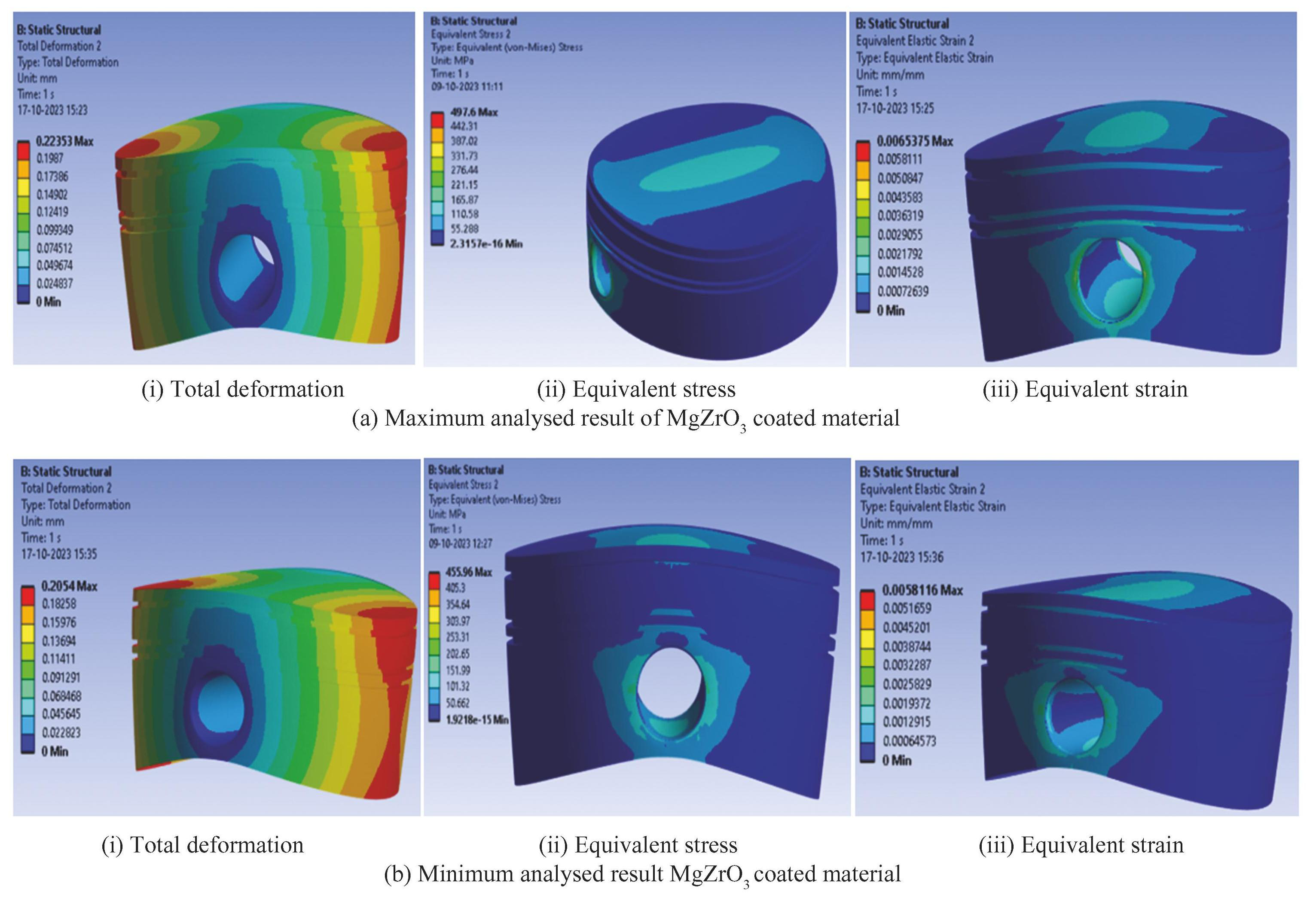
Fig.8The analysied results fo MgZrO3 coated material
Table5Tabulation of analysis of PYSZ & NiCrAl ceramic coating material with AlSi as base metal
MgZrO3 coating material provides better results than PYSZ material, because for high-performance applications, MgZrO3 materials provide higher strength and toughness than PYSZ material, which, as a result, absorbs shocks generated by extreme pressure inside the chamber, making the piston safer. As MgZrO3 is applied upon the crown, the durability of the piston also increases as this material can absorb suddenly applied loads. Mathanbabu et al.[22] performed an analysis of an engine piston using MgZrO3 ceramic coating material and found that applying the coating to the piston resulted in a reduction in total deformation, equivalent stress, strain, and other factors compared to the conventional uncoated AlSi alloy material. Similarly, in their thermo-mechanical analysis of an SI engine piston partially coated with MgZrO3 ceramic material, it was observed that increasing the coating thickness led to a decrease in equivalent stress. This conclusion supports the idea that coating improves piston life and efficiency, as also suggested by Cerit[3].
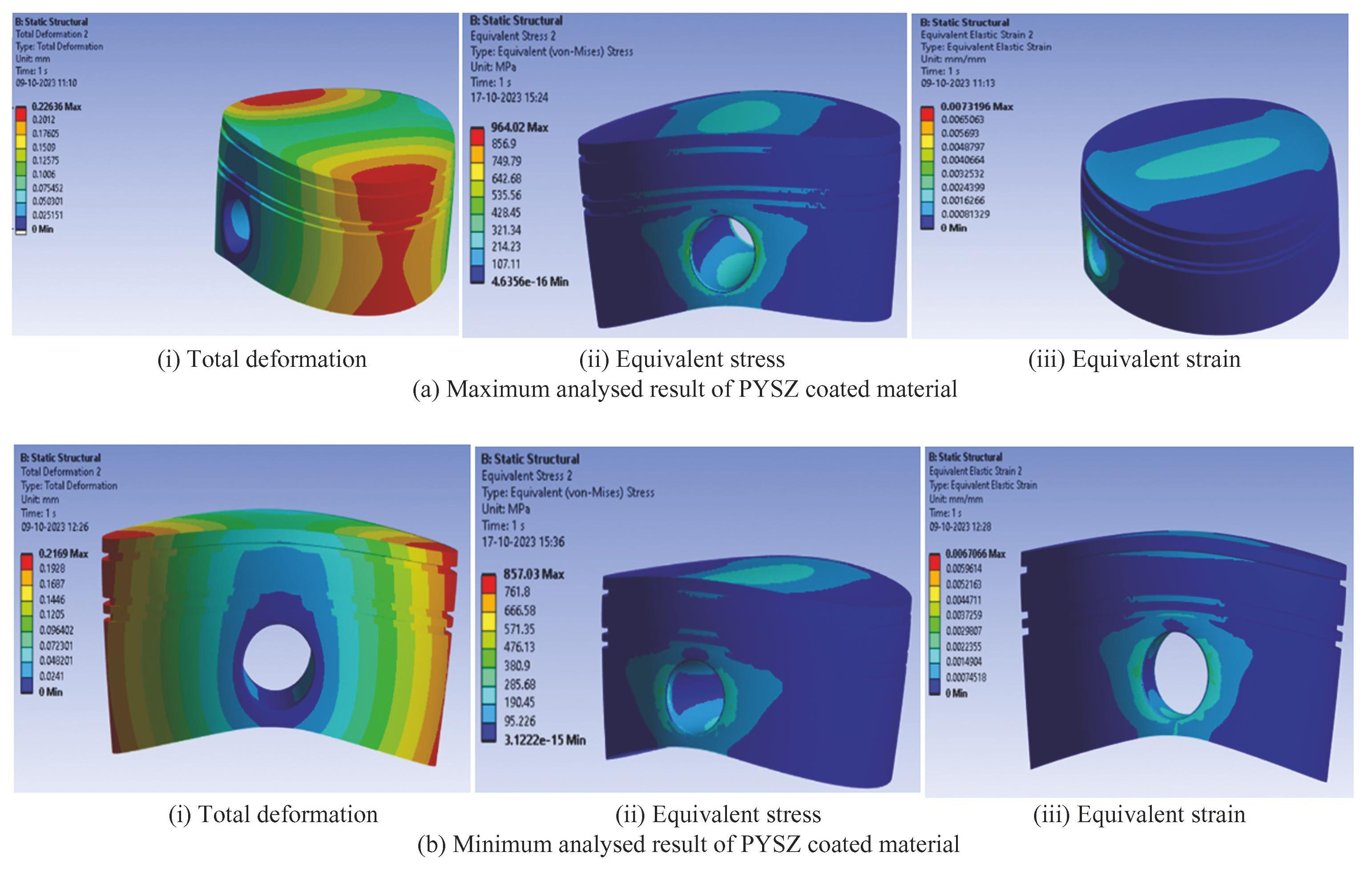
Fig.9The analysied results fo PYSZ coated material
While PYSZ materials are brittle in nature, failure or cracking of coating material upon extreme loads or heat can occur, which will lead to failure of piston over time. MgZrO3 materials, which are cheaper than PYSZ material, have excellent oxidation resistance, making them feasible for use as they reduce corrosion while fuel is burnt with oxygen . Therefore, when intense combustion pressure is applied to the piston crown, the MgZrO3 coating helps absorb a portion of this pressure, resulting in reduced mechanical stress and minimized deformation. This is because of the material's high strength and toughness properties. When the thermal analysis of the piston was conducted using PYSZ coating material, it was found that the maximum temperature of the piston was higher than that of the conventional piston. This increase in temperature helps improve the thermal efficiency of the engine, while also enhancing the material's strength and resistance to deformation, as reported by Yao et al.[30].
Fig.10 shows the graphical results between various coating thicknesses and total deformation obtained from analysis for MgZrO3 and PYSZ coating materials. As shown in Fig.10, it was found that the maximum deformation was obtained from the PYSZ coated piston, which is less than that of the base AlSi piston but more than the MgZrO3 coated piston. The maximum deformation was found to be 0.22636 and 0.22353 for PYSZ ceramic coated piston and MgZrO3 coated piston, respectively. Since the MgZrO3 material is harder than PYSZ material and has better fracture toughness than PYSZ material, because of the aforementioned properties, the MgZrO3 coated piston absorbs more pressure and helps the piston to deform less than PYSZ coated piston, which leads to better wear properties of piston.
Similarly, Fig.11 shows the analysed results of equivalent-stress of AlSi alloy piston coated with different materials. The maximum and minimum equivalent-stress values were found based on the thickness of coating material provided for different materials. The maximum stress occurred when the coating thickness was minimum .i.e., 0.3 mm, and the minimum stress occurred when the coating thickness was maximum .i.e., 1.6 mm. Since coating reduces deformation, stress, etc. developed upon the piston, when the coating thickness is greater, less deformation, stress, strain, etc., occur, and when the coating thickness is lower, more deformation, strain, stress, etc., occur on the piston. This situation occurs because a thicker coating enhances the intermolecular bonding within the coating material, enabling it to better withstand and absorb the intense combustion pressure and heat produced during engine operation. As a result, the piston experiences reduced deformation, stress, and strain, leading to improved stability. In contrast, a thinner coating has weaker intermolecular bonds, making it less capable of withstanding pressure and heat. This allows more stress and deformation to reach the base metal, resulting in higher stress and strain values and reduced piston stability.
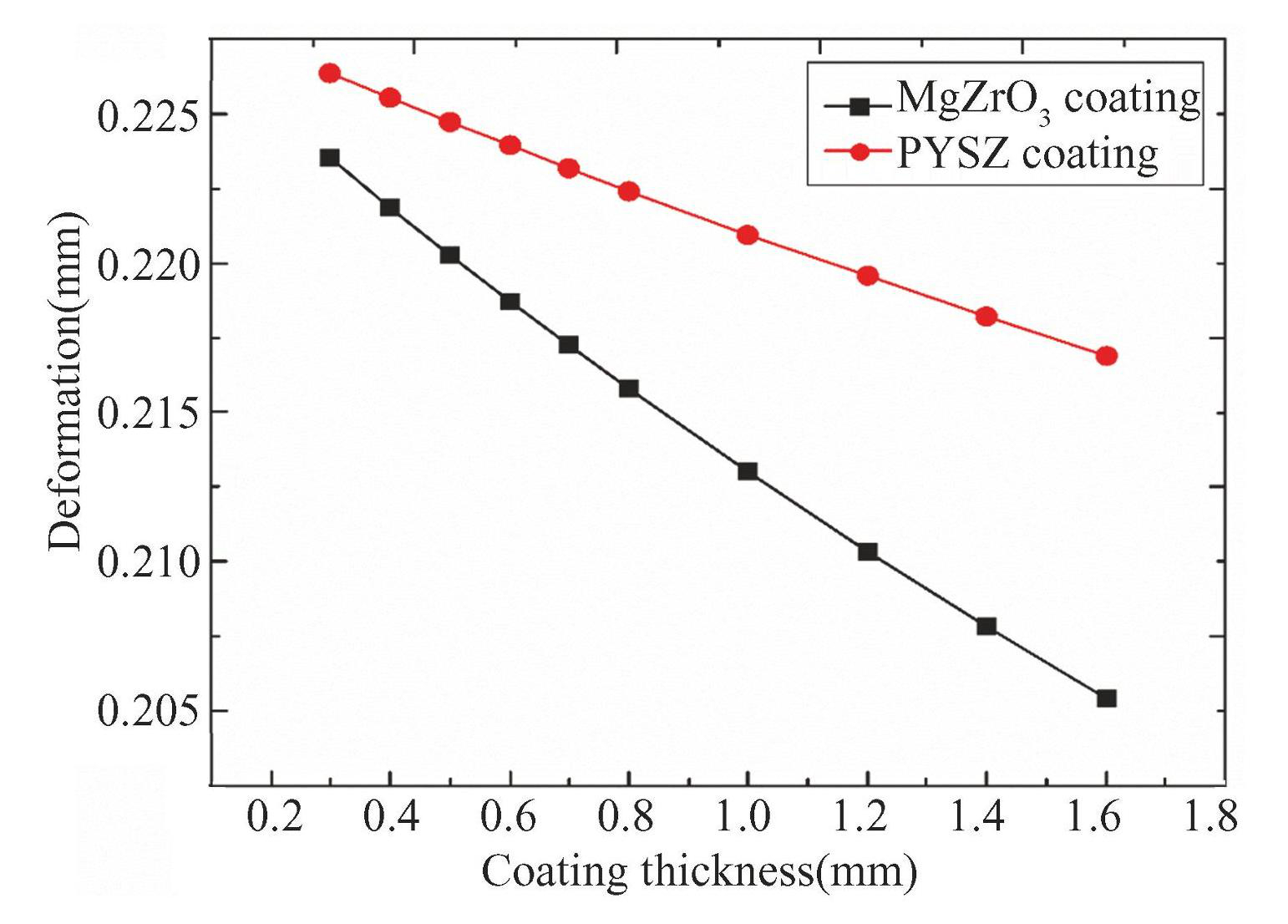
Fig.10Comparison between MgZrO3 and PYSZ coating thickness & deformation
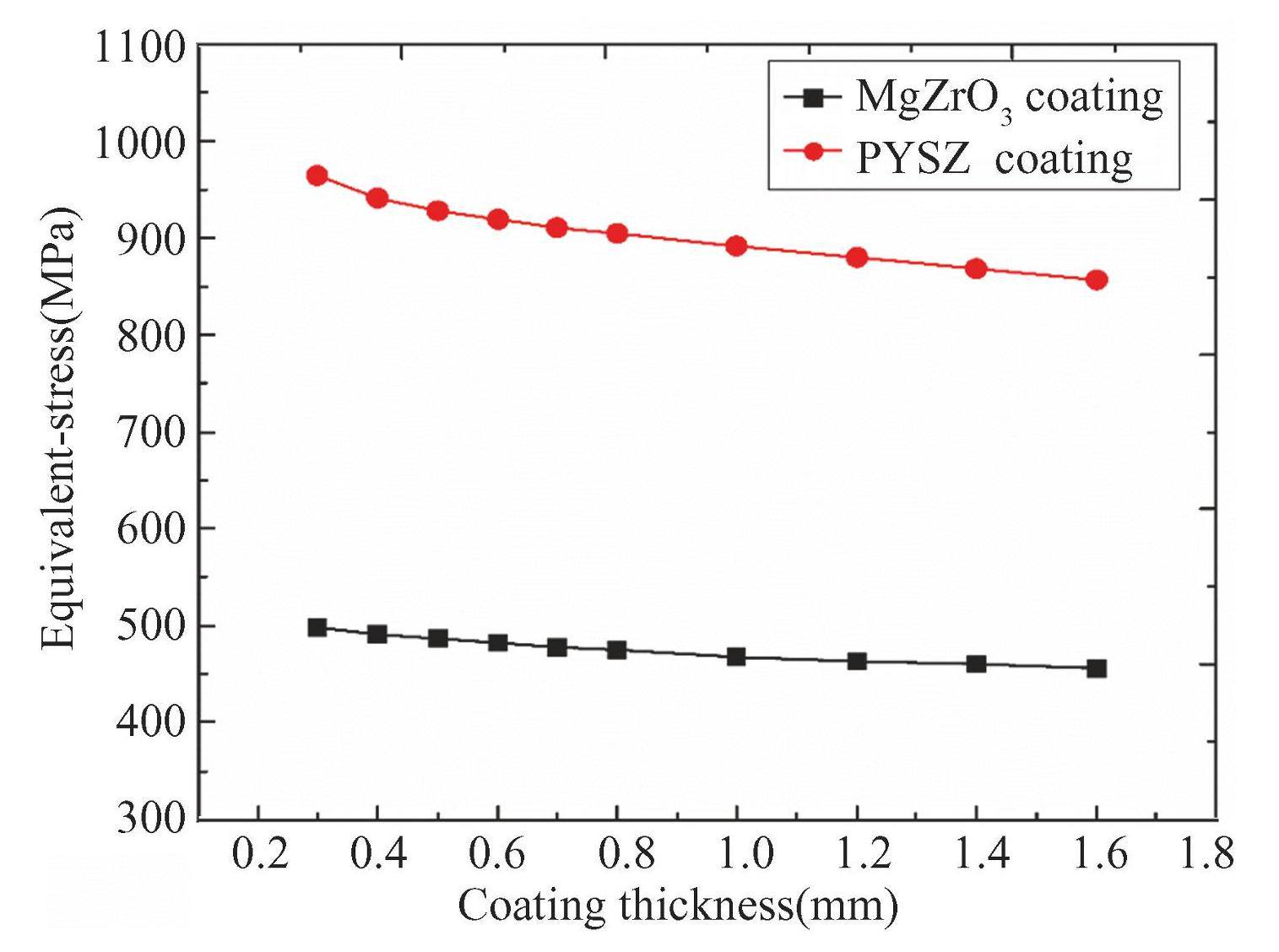
Fig.11Comparison between MgZrO3 and PYSZ coating thickness & equivalent-stress
The optimum coating thickness for both coating materials was found to be1 mm because maximum difference between results occurred when the coating thickness was 1 mm, If more and more coating thickness is provided upon the piston surface, it may lead to crack formation upon the surface due to excess thickness, and it explained about the excess coating thickness. The extra layer of thickness will lead to the piston's weight to increase.
As shown in Fig.11, it was found that the MgZrO3-coated piston showed less stress value than PYSZ-coated material. The maximum and minimum equivalent-stress values for MgZrO3-coated piston were found to be497.6 and 455.96 MPa, respectively, whereas the maximum and minimum equivalent-stress values for PYSZ-coated piston were found to be964.02 and 857.03 MPa, respectively. As MgZrO3 material has better thermal stability and reduces friction inside the cylinder chamber than PYSZ material, the stress developed due to high pressure, temperature or heat during the piston movement is mainly absorbed by the MgZrO3 coating material more than by PYSZ material, because the above material properties ultimately result in less stress developed upon the piston than PYSZ coated material piston.
Equivalent-stress distribution is maximum when the coating thickness is at its minimum, and it is minimum when the coating thickness is at its maximum for both coating materials. Coating materials can absorb shocks caused by rising combustion pressure. If the coating thickness is insufficient, stress concentration on the piston surface increases, leading to higher equivalent stress. Conversely, a thicker coating helps reduce equivalent stress by absorbing and gradually distributing the loads across the piston.
Minimum equivalent-stress was developed for both coating materials when the coating thickness was maximum, because the coating thickness increases, the capability to absorb the mechanical or thermal loads also increases, which results in lower stress development upon the body. With increased coating thickness, the material can better withstand applied loads, effectively capturing higher stress concentrations within the coating itself and reducing the amount of stress transferred to the base material.
Fig.12 shows the analysed results of equivalent-strain generated upon different materials. The graph shows the equivalent-strain results for MgZrO3-coated piston and PYSZ-coated piston. The maximum and minimum equivalent-strain values were found based on the thickness of coating material provided. The MgZrO3-coated piston shows less strain value than PYSZ-coated material because of the earlier discussed material properties, and the maximum and minimum equivalent-strains for MgZrO3 were found to be 0.00653 and 0.00581, respectively. Similarly, for PYSZ-coated piston, the maximum and minimum equivalent-strain values were found to be 0.00731 and 0.00670, respectively.
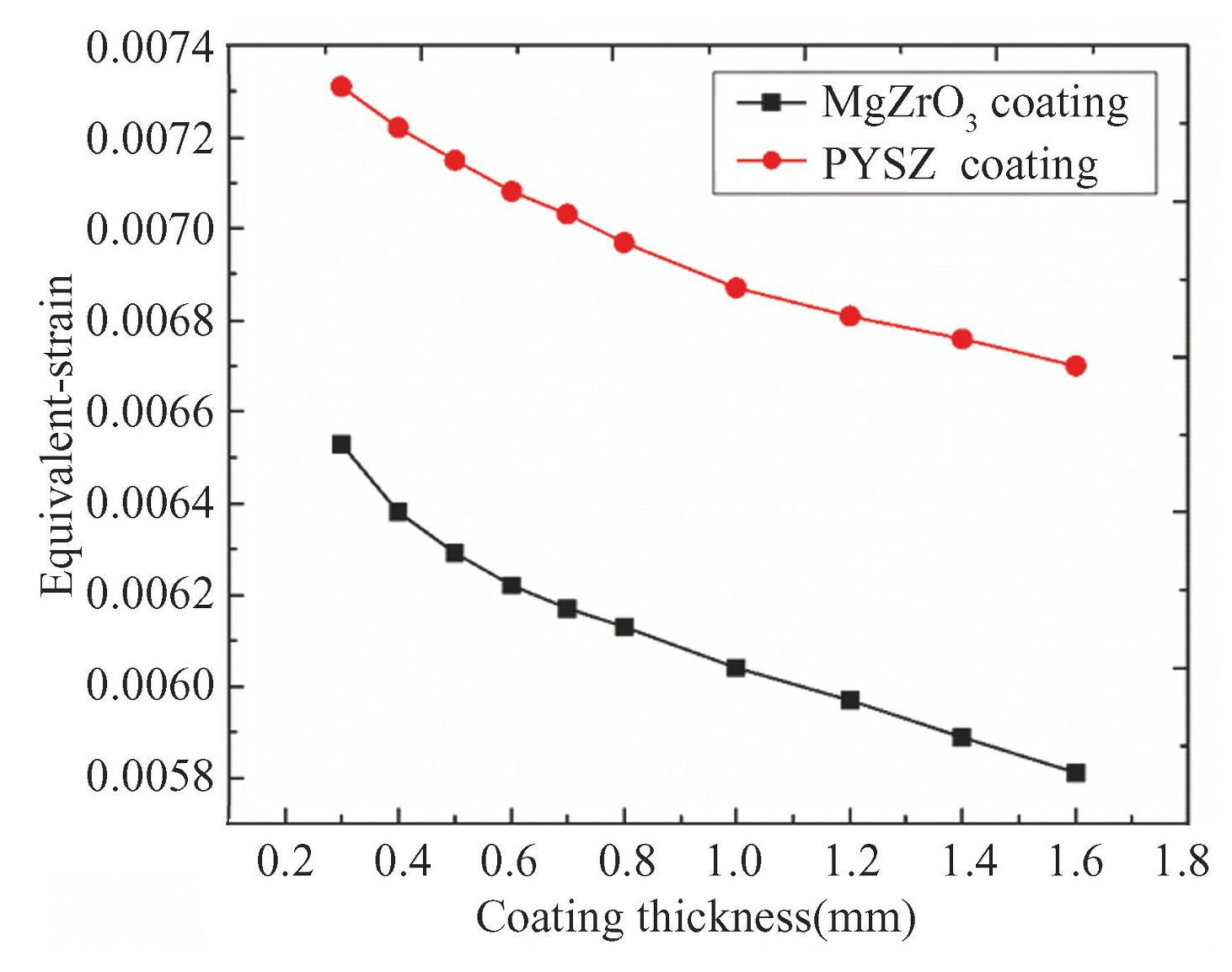
Fig.12Comparison between MgZrO3 and PYSZ coating thickness & equivalent-strain
3 Conclusions
From the above analysis, it was found that the output variables of the ceramic-coated piston are lower than those of the AlSi piston (base metal) . However, the ceramic coating of MgZrO3 exhibited lower equivalent stress compared with the PYSZ ceramic-coated piston. The maximum equivalent stress of the AlSi metal piston was found to be607.97 MPa, total deformation was 0.22899 mm, and strain was 0.00797. The maximum stress, deformation, and strain values of the MgZrO3-coated piston were497.6 MPa, 0.22353 mm, and 0.00653, respectively. In comparison, the maximum stress, deformation, and strain values for the PYSZ-coated piston were964.02 MPa, 0.22636 mm, and 0.00731, respectively.
Similarly, the minimum values of equivalent stress, deformation, and strain for the MgZrO3-coated piston were455.96 MPa, 0.2054 mm, and 0.00581, respectively, while the minimum values for the PYSZ-coated piston were857.03 MPa, 0.21690 mm, and 0.00670, respectively. After comparing both coated material pistons with the conventional piston, it was concluded that the MgZrO3 ceramic coating layer on the AlSi piston can enhance piston life and engine efficiency. This is because the MgZrO3 coating material has better properties than the PYSZ coating material based on engine parameters such as superior thermal and pressure stability, improved wear and corrosion resistance, better stress distribution, and lower manufacturing costs.
