Abstract
As urbanization continues to accelerate, the challenges associated with managing transportation in metropolitan areas become increasingly complex. The surge in population density contributes to traffic congestion, impacting travel experiences and posing safety risks. Smart urban transportation management emerges as a strategic solution, conceptualized here as a multidimensional big data problem. The success of this strategy hinges on the effective collection of information from diverse, extensive, and heterogeneous data sources, necessitating the implementation of full-stack Information and Communication Technology (ICT) solutions. The main idea of the work is to investigate the current technologies of Intelligent Transportation Systems (ITS) and enhance the safety of urban transportation systems. Machine learning models, trained on historical data, can predict traffic congestion, allowing for the implementation of preventive measures. Deep learning architectures, with their ability to handle complex data representations, further refine traffic predictions, contributing to more accurate and dynamic transportation management. The background of this research underscores the challenges posed by traffic congestion in metropolitan areas and emphasizes the need for advanced technological solutions. By integrating GPS and GIS technologies with machine learning algorithms, this work aims to pay attention to the development of intelligent transportation systems that not only address current challenges but also pave the way for future advancements in urban transportation management.
Keywords
0 Introduction
In recent years, there has been a growing interest in making transportation smarter through Intelligent Transportation Systems (ITS) . These systems aim to improve how we move around, tackle traffic problems, and make our journeys more efficient. Think of ITS like a well-coordinated team of technologies working together to enhance our overall travel experience-from smoother traffic flow to reduced fuel usage and increased convenience for travelers. A key player in the success of ITS is data-lots of it. Modern ITS relies heavily on data-driven approaches, meaning that the more we understand and use data effectively, the better our transportation systems can become. Imagine real-time insights into traffic patterns and road conditions, guiding us to avoid congestion and ensuring safer, more streamlined travel. To make all this work, we also need powerful computer algorithms. These algorithms, part of the world of artificial intelligence, particularly machine learning, help analyze massive amounts of data quickly and accurately. Machine learning enables ITS to predict and detect various factors in transportation, like traffic jams or potential issues on the road. In this context, we have hardware elements like Roadside Units (RUs) and Onboard Units (OBUs) that play a crucial role. They need to be capable of handling the complex calculations that machine learning requires. Choosing the right tools, considering factors like cost, reliability, and performance, becomes essential in building effective ITS applications. However, while ITS holds great promise, it also faces challenges. The need for high-performance computing, selecting appropriate hardware, and managing large datasets are among the hurdles. The goal is not just to make predictions but to do so in real-time, ensuring that our transportation systems can adapt swiftly to changing conditions. This study sets out with clear objectives aimed at understanding and enhancing the integration of machine learning in modern transportation management. The primary objectives include:
1) Investigate the role of Machine Learning (ML) , Deep Learning (DL) , and Artificial Intelligence (AI) in addressing challenges in urban transportation systems.
2) Review recent literature and advancements in ML, DL, and AI applied to transportation systems, including smart cities, mobility technologies, and traffic management.
3) Identify key challenges faced by transportation systems and explore how ML, DL, and AI can offer solutions, such as traffic prediction, congestion management, and optimization of public transit.
4) Propose innovative approaches and methodologies leveraging ML, DL, and AI to enhance the efficiency, safety, and sustainability of urban transportation systems.
5) Provide recommendations for future research directions and practical implementations to further integrate ML, DL, and AI into urban transportation planning and operations.
The remaining sections are divided as follows: Section 1 discusses the research methodology employed, detailing the criteria for literature selection and the process of data extraction. In Section 2, various machine learning approaches are explored, including regression, classification, clustering, and ensemble learning, with a focus on their applications in traffic congestion management. Section 3 provides an in-depth analysis of deep learning techniques such as Convolutional Neural Networks (CNNs) , Recurrent Neural Networks (RNNs) , and deep reinforcement learning, highlighting their effectiveness and limitations in the context of intelligent transportation systems. Section 4 delves into AI-based models beyond traditional machine learning and deep learning, including expert systems, fuzzy logic, genetic algorithms, and hybrid approaches, illustrating their roles in addressing traffic congestion challenges. Section 5 outlines the challenges faced by intelligent transportation systems, including data management issues, privacy concerns, and infrastructure limitations. Section 6 proposes solutions to these challenges, emphasizing technological advancements and collaborative strategies for improving traffic management in smart cities. Section 7 provides the discussion of limitations in the intelligent transportation system and the work is concluded in Section 8.
1 Research Method
Two major categories of literature have been identified: (1) an overview and comparison of transportation in smart city; and (2) creating technologies for Smart City (SC) mobility. Since2010, relevant publications have been searched for in the Google Scholar, IEEE Explore, and Scopus databases, and more papers have been retrieved. Using a list of keywords and the concept of a single study paper as the basis for their search, the writers were able to compile as many papers as possible. For the purpose of adequately covering both studies on smart city transportation strategies and methods that make use of emerging technologies for smart city transportation applications. This section provides an overview of South Carolina transportation as well as significant literature comparisons in the field. As a consequence of a number of investigations, it has been discovered that the SC transportation-enabling technologies are beneficial in a variety of ways. Smart Cities (SCs) collect data from a variety of sensors and then analyse the information they acquire. Among the characteristics of SCs discussed in Ref.[1]are intelligent government, intelligent communities, intelligent economies, intelligent environments, and intelligent mobility. Smart mobility is characterised by the integration of Information and Communications Technology (ICT) with environmentally friendly transportation. One of the most pressing concerns of a SC is the role of ITS in SCs. In addition to providing real-time notifications to drivers, a smart transportation system has the capability of monitoring traffic flow and providing real-time alerts to drivers. Overview of intelligent traffic management is given in Fig.1.
1.1 Intelligent Transportation
ITS make use of a diverse range of technologies, ranging from traffic signal management systems to parking guidance systems and decision-based information systems. The Intelligent Vigilare System (IVS) developed by the authors in Ref.[2]is an example of a transportation application that uses intelligent technology. The IVS makes use of a range of ICT for data gathering, information processing, and cloud storage. These tools work together to power the system beneficial applications. Big data technology, is one of the five driving technical forces identified in our assessment and advocated for by the authors for ITS. Their primary goal was to employ big data technology to address a wide range of ITS challenges, including those related to safety and security, as well as other issues. It is the combination of the five primary technological forces that has been studied in order to develop SC transportation solutions. It expected that more people will want to use deep learning techniques in their SCs and transportation designs. This will help researchers learn more about the most recent progress in this field.
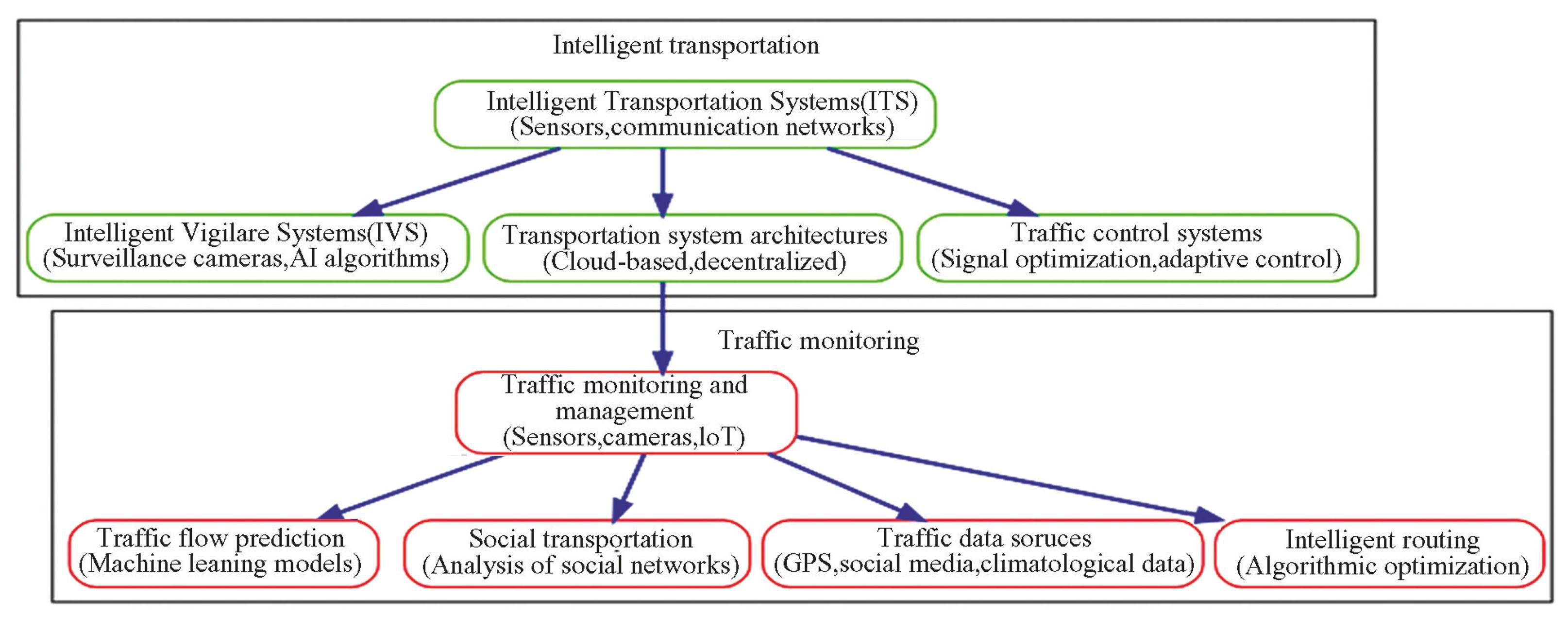
Fig.1Overview of intelligent traffic management
1.2 Transportation System Architectures
This section contains a number of research papers on transportation system architecture in the state of South Carolina. According to Ref.[3], Alsrehin investigated a number of different transportation concepts for SC applications. Among the applications addressed by the architectures were shared automobiles, traffic communications, navigation, and energy consumption. The authors of Ref.[2]described a mobility system for SCs that was built on a cloud-based, intelligent parking system. They initially created this on a university campus, employing a three-tiered architectural structure. A cloud tier is a service that provides cloud storage and compute capabilities. Secondly, there is the Web Servers Layer, which serves as the link between the mobile applications layer and the cloud tier and contains information on parking lots. In the third tier, mobile applications make requests to the parking web server in order to learn about available parking spaces. It aids in the installation of apps and provides an environment in which to modularize the application functionality[3-4]. The server will look for an available parking spot based on the user profile and offer the user driving directions if one is found. New models are developed in Ref.[5]about how to build a system for transportation and a way to run it. They were based on the Singapore Land Transportation System (SLTS) categorization system.
The authors in Ref.[6]proposed a system for managing and operating several cars in a parallel fashion. It has been proposed that the existing PTMS architecture should be extended in order to facilitate the creation of next-generation intelligent transportation systems. Agent-based traffic control adapts to changing traffic conditions by utilising its autonomy and adaptability. Based on the traffic conditions, as opposed to conventional control systems, which are static, it is conceivable for them to be more effective. Software as a service is utilised to implement the traffic agents, which are mobile within the network and are responsible for routing traffic. It was created with the MapReduce framework.
For the purposes of developing robust architectures, the presentation above focuses on existing SC transportation designs and compares them to a variety of parameters. The architectural solutions that have been presented are intended to address a variety of issues, including parking, navigation, and energy management issues. In comparison to the previously listed presentations, which are primarily concerned with architectural solutions, our analysis is incomparably more comprehensive. According to current research, the difficulties affecting the South Carolina transportation industry necessitate more than just architectural solutions, and it is these integrated solution-strategies that will be the focus of this study investigation. Because architectural solutions have limited scope and can only address a small part of the problems that South Carolina' transportation business is facing.
1.3 Traffic Monitoring and Management
Using smart lights and signals to communicate with traffic control systems could provide useful information about traffic patterns. The authors of Ref.[7]advocated congestion-aware path planning for intelligent transportation systems. The integration of SDN technology into the ITS was discussed, as was the presentation of a grid-based model for estimating traffic congestion. The more traffic there is in a square area of a region, the more likely it is that there will be traffic jams.
The problem of anticipating traffic flow in SC systems is one that must be addressed urgently. Long-term traffic forecasting activities, medium-term traffic forecasting activities, and short-term traffic forecasting activities can all be divided into three groups based on the amount of time they must be correct across. The authors of Refs.[8-9] provided a review of this SC application area, which was well received.
1.4 Social Transportation
Through the use of social networking sites, it is feasible to develop intelligent transportation systems. For example, in small towns and cities, it is vital to sustain and expand public transit choices. There are a number of disadvantages to introducing new and improved functionality into an existing system. In this strategy, data is collected through the use of mobile devices carried by passengers. The model in Ref.[10]talks about a service that gives information about public transportation based on crowdsensing. This service can be used in SC applications as well as other applications, and it can provide information about public transportation.
In collaboration with an Android user interface called TrafficInfo, they developed the crowd-assisted smart city application based on an XMPP communication architecture and a crowdsourcing platform. Optionally, you can configure it to make use the crowdsourced mapping tool OpenStreetMap (OSM) [11] if desired. Visualisation is one feature, information sharing is another, and sensing is a third. Other features include: Images of the TrafficInfo interface, including the vehicle visualisation, the sensor data flow and user feedback form, are presented in the accompanying photo. According to our research, the significant challenges of the South Carolina transportation industry need an integrated solution that incorporates the five new technologies that are now being analysed in this study.
The authors of Ref.[12]came up with the idea of a crowdsourced public transit system. This would allow packages to be delivered across the city and set up a framework (CPTSs) . The purpose of this technique is to take advantage of the idle time of the CPTS trucks as much as possible. On average, a box will be in one of four states throughout the delivery process: waiting, driving, re-waiting, and unloading (depending on the circumstances) . Any package present status can be determined at any given time, and the optimal delivery time can be estimated for that product. It was via the use of ILP techniques that the authors were able to design an efficient heuristic solution to the difficult challenge. They used data from a real-world bus system to back up their experiments. In recent literature, Lv et al.[13] proposed an edge-AI based forecasting approach aimed at enhancing the efficiency of smart microgrids. This work aligns with our research focus on leveraging AI techniques to optimize energy management in smart city infrastructures. Additionally, Malik et al.[14] introduced a machine learning-based automatic litter detection and classification system using neural networks, which resonates with our efforts to utilize AI for improving urban services and sustainability. Furthermore, Li et al.[15] presented a novel CNN-based security guaranteed image watermarking generation scenario tailored for smart city applications, highlighting the importance of AI-driven solutions in enhancing data security and privacy, which is a critical aspect of our study. Moreover, Jiao et al.[16] proposed a smart learning assistant to promote learning outcomes in programming courses, emphasizing the broader applications of AI and smart technologies beyond urban infrastructure management. These references contribute valuable insights into the diverse applications of AI in smart city domains and provide additional context to our research endeavor aimed at leveraging ML, DL, and AI for enhancing urban transportation systems.
1.5 Platooning for Sustainable Transportation in Smart Cities
The development of urban transportation in SC must take into consideration both the reduction of fuel consumption and the reduction of traffic congestion as much as possible. Using platooning technology, autonomous cars travel in a train-like formation in the same lane. Using a methodical manner, the platoon formation paradigm proposed in Ref.[17]can be implemented effectively. The use of an appropriate speed model that has been computed beforehand helps to reduce fuel consumption. In the following step, a Q-learning model is used to determine an insertion point for the platoon vehicles, which are subsequently put into action. Part of their method was to make a collision detection model for cars that joined the platoon after they were already on the road.
1.6 UAV Transportation
It has also been claimed that Unmanned Aerial Vehicles (UAVs) could play a role in smart mobility in small towns and cities. The authors of Ref.[18]investigated the idea of deploying UAVs in SC transportation. Among other things, UAVs can be used for a wide range of things, like reporting on accidents from the air, setting up speed cameras, and putting traffic lights in the airspace above.
1.7 Ridesharing in Smart Cites
Congestion reduction, carbon footprint reduction, and travel cost reduction are just a few of the advantages that ridesharing in smart cities can bring to residents. Furthermore, ridesharing can help to reduce some of the challenges associated with parking. The authors in Ref.[19]investigated whether an individual contribution to sustainability could be quantified and whether a reciprocal incentive system could be used to encourage voluntary behaviour toward sustainable mobility options. They also developed a ridesharing system, known as WeDoShare, to promote sustainable mobility in South Carolina. Ridesharing and getting Single Occupancy Vehicle (SOV) owners to keep taking part in ridesharing were two of the subjects of this research project.
1.8 Multi-Station Sharing of Vehicle
The model in Ref.[20]provided a design that was based on their previous work for multi-station car sharing. The architecture is divided into three sections: user trip registration, system management, and vehicle components. They are all included as part of the overall package of components. Requests for autos are registered through the user trip registration component, which can be accessed by logging in. The system management component is responsible for storing information about users, cars, and requests. Data from automobiles and kiosks can be analysed to gain insight about user patterns and vehicle performance. It is possible to connect with the system management through the use of radio transponder technology.
1.9 Waste Transportation in Smart Cities
Solid waste collection and management play an important role in the operation of SCs. The authors in Ref.[21]summarises the findings of research on waste transportation and recycling systems, which revealed that they were efficient. It was waste transportation management that was the focus of their investigation, which included two case studies. A smart waste delivery system that is powered by the IoTs, as well as a survey. With the help of a case study in a metropolitan area, the authors conducted simulations and constructed a prototype system. The simulations focused on two different aspects of waste management: garbage collection and trash recycling. SCs can save money and time by reducing traffic congestion as a result of their work, which also results in a reduction in fuel consumption.
These studies, despite their significant contributions to this field, have fallen short of fully incorporating the five technologies into South Carolina transportation planning processes. Such a detailed study is crucial and required for scholars to understand the most recent trends and cutting-edge technologies that can be applied to SC transportation initiatives. People in South Carolina have a lot of different ways to get around, so this study looked into how the five main technical forces combined together.
2 Machine Learning Approaches
As data becomes more readily available to transportation authorities and academics in South Carolina, machine learning appears to be a viable avenue to take for the state transportation system. As a result, it is important to look into how machine learning could be used to make transportation services in South Carolina more personalized. Machine learning techniques are frequently used to offer assessments that are descriptive, predictive, or prescriptive.
The authors of Ref.[22]did research on intelligent transportation based on machine learning techniques. The literature has been flooded with research in the last few decades that has used machine learning to investigate various issues in SC transportation, particularly when numerous machine learning methods are used in conjunction with one another. This section goes into great detail about machine learning techniques that are relevant to transportation.
2.1 Traffic Flow Prediction
Predicting traffic metrics can be accomplished in a variety of ways. According to the authors of Ref.[23], an on-time performance (AOTP) model was utilised in conjunction with quality-controlled local climatological datasets to predict flight delays using a Convolution Neural Network (CNN) model. On the basis of prediction accuracy, the ML model was found to be the most accurate, with an 89.07% predicted rate, while the CNN model was found to be the most accurate, with an 89.32% predicted rate. To forecast short-term traffic volume, the authors in Ref.[24] developed a hybrid model. Their experimental data revealed that as the time intervals between traffic flow predictions were lengthened, the system performed admirably. According to the authors in Ref.[25], the OL-SVMR (Online Support Vector Machine Regression) model to predict traffic in unusual environments by employing an online support vector machine. The results of the researcher studies suggested that the technique they proposed was effective. The authors in Ref.[26]describes a framework for identifying traffic flow characteristics and directions that is based on the supervised training and is described in detail. In Ref.[27], GPS monitoring devices were used to analyse and anticipate passenger movement in real time, and a short-term traffic flow prediction system incorporating extreme learning was proposed in Ref.[28]. The authors in Ref.[29]devised an ensemble sequential machine approach to predict highway traffic peak and non-stationary states in order to estimate non-stationary states. The results of the studies showed that the ERS-ELM had a high accuracy rate and only took a short time to learn how to use.
According to Ref.[30], the demand for bus ridership can be evaluated by employing an Origin-Destination Matrix (ODM) derived from bus route information. To put their model to the test, the authors used data from Quito city. The hybrid model [31] anticipate passenger flow in order to improve accuracy. In particular, Kernel Extreme learning Machine (KEM) and Wavelet Transformation (WT) are employed in the development of their method (KELM) . The model predictions were checked against data collected in Beijing. The researchers discovered that using WT-KELM as a monitoring and early warning system for urban rail transit yielded good outcomes. The authors in Ref.[32]presented machine learning in transportation systems. In response to some user settings, the purpose was to provide the most efficient route to a destination that utilised a variety of transportation options (train, metro, and bus) .
Traditional methods such as traffic sensors and gadgets have been phased out in favour of new sources of Internet data from social networks, for example, Twitter. According to the authors of Ref.[33], data from a wide range of sources, including social networks, can be obtained and used to detect traffic flows or patterns. In their applications, they use a variety of data types, including entities extracted from tweets, categorized events, and traffic statuses identified from image sources, among other things. It has been added to the existing body of knowledge about how to analyse a variety of sources or multi-modalities, such as text and images as well as videos and speech.
According to Ref.[34], the authors have suggested a neural network model that makes use of the traffic density matrix. The study main purpose was to come up with solutions to bus arrival times at bus stops that took into consideration local traffic patterns as well as other factors. An image of the traffic situation was created using a traffic density matrix. The network was trained with the help of Stochastic Gradient Descent (SGD) . In accordance with Ref.[35], machine learning methods, such as optimal Support Vector Regression (SVR) and least square (OLS) regression, can be utilised to anticipate real-time public transportation demand. Verification of their conclusions was carried out using the SUMO (Simulation of Urban MObility) programme[36]. According to their findings, this method was better than other methods that were tried before. It also cut down on the mean absolute prediction error.
2.2 Planning Recommendation
Machine learning can be used to improve the efficiency of automated travel planning systems. Using a bus routing model, the authors in Ref.[37]proposed a method for identifying and optimising region pairs with defective bus routes in order to maximise the efficiency with which public transportation services are utilised. The transactions from taxi and bus rides were used to create the patterns of people moving between locations. A hybrid method in Ref.[38], which employed a single preprocessing strategy (based on smartphone location data) to solve both problems with a single preprocessing methodology (based on smartphone location data) . In the studies, both the identification of travel mode and the prediction of trip purpose were found to be88% correct. A model was developed in Ref.[38]to use an anonymous way to collect data about public transportation.
3 Deep Learning Based Approahces
Deep learning serves as an inspiration. To give an example, the authors in Ref.[39]investigated the application of DL in ITS while also emphasising many models for SC. ecosystems in the context of ITS. Throughout this part, the study looks at some real-world examples of how deep learning has been applied to Autonomous Self-Driving Vehicles (ASCs) .
3.1 Routing and Planning
When it comes to deploying more transit lines, Olwan[40] recommended the use of neural network-based passenger flow inference for a Gaussian-prioritized approach that prioritises the deployment of extra transit lines. Compared with current approaches, the trial findings revealed a7% to 24% boost in overall efficiency. The DNN architecture employs four layers (embedding, concatenation, fully connected, and output) to learn the vector representations of categorical input in a short period of time.
3.2 Traffic Flow Prediction
Currently, traffic flow forecasting is receiving a great deal of attention as a means of preventing and alleviating traffic congestion in smart city environment. Traffic forecaster responsibilities include predicting traffic conditions, such as volume and speed, among other things. In general, it was discovered that this new traffic speed predicting system outperformed the competition in terms of accuracy[40]. The authors of Ref.[41]introduced a new diffusion convolution layer to represent traffic flow over graph-like structures, which they called graph-like structures.
For collectively anticipating the movement of people in a city multiple regions, a technique known as ST-ResNet was proposed in Ref.[42]. A thick three-dimensional grid is utilised to characterise traffic movement in a metropolis, and this grid is discretized into a two-dimensional grid by dividing it in half. Deep spatio-temporal residual networks were used to make the predictions, which were then validated. The temporal and spatial correlations are captured in this model through the use of three-dimensional convolutional neural networks. This two-part model can be used to represent the temporal characteristics of both forms of traffic data. Modelling the two types of patterns is accomplished through the use of convolutions and blocks, which are then aggregated in a weighted manner to make the final prediction. In their tests, the researchers found that ST-3DNet outperformed current baseline systems by a large amount.
Using Gated Recurrent Unit (GRU) and spatial-temporal, the model in Ref.[42]developed a prediction model that can be used to predict traffic flow. Recurrent neural networks, such as LSTM-based GRUs, are one type of neural network (RNN) . As a result, it keeps the effect while also making the structure more understandable. It also maintains the RNN prediction performance while also gaining significant speed. In this example, researchers compared CNN and found that the proposed method was more accurate and stable than the CNN model.
A combination of the LSTM, DAE (deep autoencoder) , and CNN was used in Ref.[43]to create an Ensemble Model (EM) for short-term traffic forecasting. The spatial and temporal elements of traffic were taken into consideration during their investigation. They compared their EM models to other well-known prediction models, using data from California and London as the basis for their comparison. In the experiments, the results of EM showed that it was more accurate in forecasting than other methods.
Integrated Transportation Group Systems (ITGs) are critical infrastructure in smart cities because they connect neighbouring urban areas with smart highways. It is not possible to collect tolls efficiently due to the limitations of the ETC network, which results in long lines of Connected Smart Vehicles (CSVs) waiting to be told, fixed toll pricing schemes for all CSVs, increased wait times and unpredictable delays, as well as traffic congestion at toll booths. The authors of Ref.[44]suggested DwaRa, an ITS dynamic toll pricing method based on deep learning. For the purpose of optimising the balance of congestion in various lanes of ITGs, Markov queues are used in DwaRa to estimate future traffic. Real-time traffic forecasting can be accomplished with the help of LSTM.
3.3 Public Transportation
Using DL, the researchers in Ref.[45]proposed a SVM for passenger flow by merging deep learning (DL) and Support Vector Machines (SVM) . The first source of information for the deep belief network was information about passenger traffic (DBN) . Following that, an SVM regression model was created in order to forecast passenger traffic flow. They discovered that the DL-SVM was both more accurate and more stable than the other models they had evaluated. When it comes to anticipating future passenger traffic at subway stations, an accurate projection of passenger flow is essential.
According to Ref.[46], the authors presented an RNN-based subway passenger flow rolling forecast, which was implemented. A better understanding of evacuation procedures and safety alerts will be gained as a result of their efforts. When passenger volumes and weather data were integrated, a variety of supervised sequences with differing timestep values were created to test the hypothesis. It was decided to introduce two fictitious features in order to accelerate the convergence process. The data from Shanghai traffic cards was used in their tests, which were conducted in collaboration with the University of Michigan. This network, which has a timestep of 1.5 h, has been found to have the highest accuracy in long-term traffic flow prediction accuracy. When it came to rolling short-term predictions, the45 min timestep used by the GRU produced the best results. ML and DL approaches offer significant advancements over traditional traffic management methods, highlighting the technological progression in this field.
3.3.1 Data-driven decision making
Traditional methods often rely on predefined rules and heuristics for traffic management decisions. In contrast, ML and DL approaches leverage vast amounts of data to learn patterns and make data-driven decisions, allowing for more adaptive and flexible traffic management strategies.
3.3.2 Complex pattern recognition
ML and DL techniques excel at complex pattern recognition tasks, such as predicting traffic flow, detecting anomalies, and identifying congestion hotspots. Traditional methods struggle to handle the intricacies of such tasks, often resulting in less accurate predictions and suboptimal traffic management.
3.3.3 Adaptability and scalability
ML and DL models can adapt to changing traffic conditions and scale to larger datasets more effectively than traditional methods. They can continuously learn and improve over time, whereas traditional methods may require manual adjustments and are limited in their scalability.
3.3.4 Real-time response
ML and DL approaches enable real-time monitoring and response to traffic conditions, allowing for quicker detection and mitigation of congestion. Traditional methods may have slower response times and rely more on human intervention, leading to delays in addressing traffic issues.
3.3.5 Integration of multiple data sources
ML and DL techniques can integrate diverse data sources, such as traffic sensor data, weather information, and historical traffic patterns, to provide more comprehensive insights and predictions. Traditional methods often rely on limited data sources and may overlook important factors affecting traffic conditions.
4 Artificial Intelligence (AI) Based Models
Because of the continued growth in the population of large cities, it is becoming increasingly important for the transportation infrastructure to keep up with the growing demand. Because of the ITS potential to generate vast volumes of highly voluminous data, artificial intelligence techniques have been integrated into the system to enable the provision of new services. There are a lot of things that make a lot of data that needs to be managed in order for these services to work properly.
It uses a number of artificial intelligence approaches, such as traffic prediction and control, to assist in reducing traffic congestion, regulating traffic lights, and forecasting traffic flow, to name a few applications. The authors of Ref.[47]built a DITLCS that was based on deep reinforcement learning and fuzzy inference techniques. The proposed system will automatically adjust the duration of traffic signals based on the current traffic circumstances by utilising real-time traffic data. Fair mode, priority mode, and emergency mode are the three modes of operation that have been proposed for the proposed system: fair, priority, and emergency.
The authors of Ref.[48]developed a Back Propagation (BP) neural network for vehicle passing at intersections to be used for vehicle passing. To improve the communication network of the Controller Area Network (CAN) , the Earliest Deadline First (EDF) dynamic algorithm has been utilised in conjunction with the model to achieve better results. The strategy was found to be quite effective in simulated tests. According to the authors in Ref.[49], a belief rule-based expert system is a method for managing traffic lights at junctions that can be used to regulate traffic signals. Evidence-based reasoning is used to derive inferences from information according to the concept of Belief Rule Bases (BRBs) . The researchers stated that the proposed method was more reliable than the technology that already existed in the situations they were looking at.
Car control systems that have been improved through the application of artificial intelligence have been utilised to improve autonomous driving, reduce fuel consumption, and increase complex braking systems, among other things. In Ref.[50], an FLC-based intelligent unidirectional and decentralised control strategy for vehicle platooning was proposed in Ref.[50]. By combining FLC with GA and Proportional-Integral-Derivative (PID) models, as well as FLC adaptation using neural networks, we were able to develop Fuzzy-X Tuned Controllers with improved performance. Fine-tuning the performance of the controllers was accomplished through the use of these strategies. Through computer simulations, we were able to evaluate the performance of each controller in terms of spacing error convergence and intended velocity tracking. We discovered that all of the controllers were successful despite the limitations they encountered.
The authors of Ref.[51]proposed a novel technique for power control for electric vehicles that combined a Genetic Algorithm (GA) and a Fuzzy Logic Controller (FLC) to achieve high efficiency and reliability. According to the results of the simulation, the proposed strategy outperformed the competition. The authors of Ref.[52]devised a simulation framework for charging the control system that was based on GA. Based on a series of tests, the framework was found to be able to make more money or shorten the time it takes to charge for parking, depending on how the lot is used.
The quality of transportation services in a metropolitan area is significantly influenced by the infrastructure of urban transportation. The installation of optimal infrastructure will increase the likelihood of improved transportation services being provided [53]. As demonstrated in Ref.[54], the design of a transit network can be made more efficient by utilizing Transportation Network Design Problem (TNDP) . An increase in the number of personal automobiles on the road causes traffic congestion, accidents, and pollution, all of which are aggravated by this trend. People who drive their own automobiles were expected to see a decrease as a result of the implementation of a dependable, efficient, and fairly priced public bus system. Using computer modelling, they discovered that their solution was capable of dealing with the difficulties raised by the Commission. To supplement the fuzzy inference, they used a Takagi-Sugeno system, which predicted the travel speed multiple steps ahead of time based on data collected every two minutes from remote traffic microwave sensors in Beijing, China. The proposed model ability to predict was tested, and its results were compared with those of six other models. Our superior ability to learn from our mistakes enabled the EFNN to surpass the traditional models in this study.
In a series of simulations, their model was evaluated and compared against Ant Colony Optimization (ACO) approaches to see which was superior. The bus timetable is defined by the number of people who are present on the vehicle at any given point in time.
5 ICT Infrastructure and Data Management Considerations
The effectiveness of the proposed intelligent transportation system depends heavily on a robust ICT infrastructure capable of supporting large-scale, heterogeneous, and latency-ensitive data flows. The system integrates IoT devices, GPS/GIS modules, cloud-fog computing nodes, and ML/DL-based analytics engines; therefore, addressing scalability, heterogeneity handling, and latency is critical.
5.1 Scalability of ICT Infrastructure
The system is designed to support the rapid growth of connected vehicles, roadside units, and real-time sensors deployed across urban environments. Scalability is achieved through:
Cloud-based elastic computing (AWS, Azure, Google Cloud) that automatically expands or shrinks resources based on demand.
Distributed processing frameworks (Apache Spark, Kafka Streams, TensorFlow Extended) that enable parallel processing of high-volume traffic, mobility, and sensor data.
Modular microservices architecture, allowing components such as data ingestion, ML inference, and visualization to scale independently.
Edge/fog computing layers reduce the burden on centralized servers by processing time-sensitive data closer to the source.
This ensures that the system remains operational even under peak traffic loads or when the number of connected devices increases.
5.2 Handling Data Heterogeneity
Transportation systems generate highly diverse datasets, including GPS trajectories, IoT sensor streams, environmental data, GIS layers, and video/imagery. To manage this heterogeneity, the proposed system incorporates:
1) Unified data ingestion pipelines supporting multiple formats (JSON, CSV, geo-coordinates, sensor telemetry, video frames) .
2) Schema-on-read architectures that allow flexible data interpretation without predefined rigid structures.
3) Metadata tagging and spatial indexing (via PostGIS or MongoDB GeoJSON) to harmonize GPS and GIS data.
4) Feature standardization layers that convert multi-source inputs into uniform formats before feeding them into ML/DL models.
5) APIs and MQTT/HTTP protocols enabling seamless communication between edge devices, cloud servers, and analytics modules.
These mechanisms ensure smooth integration of multimodal datasets and improve the robustness of ML/DL predictions.
5.3 Low-Latency Data Processing and Real-Time Response
Real-time transportation applications-traffic signal control, congestion prediction, accident detection-require low latency for decision-making. The system ensures low latency through:
1) Edge computing nodes (RSUs, on-vehicle processors) that perform local inference for tasks like anomaly detection or route optimization.
2) Fog layer aggregation to preprocess high-frequency data streams and reduce transmission overhead to the cloud.
3) Optimized communication protocols (MQTT, 5G V2X, DSRC) designed for low-latency data exchange between vehicles and infrastructure.
4) Model compression and lightweight DL architectures (e.g., MobileNet, quantized LSTMs) enabling fast inference at the edge.
5) In-memory caching frameworks (Redis, Memcached) to accelerate access to frequently used spatial and traffic data.
This layered processing significantly minimizes response time, enabling the system to react quickly to changing traffic conditions and support adaptive control.
6 Challenges in Intelligent Transportation Systems
Integrating ML, DL, and AI into transportation systems introduces a set of unique challenges. One primary challenge involves the development and deployment of robust ML algorithms for real-time traffic prediction and congestion management. Ensuring the accuracy and reliability of predictions requires continuous model training on diverse and dynamic datasets. Additionally, the scalability of ML models to handle the vast amount of data generated by smart transportation systems is a persistent challenge, demanding optimized algorithms and efficient computing infrastructure.
In the realm of deep learning, challenges emerge in optimizing neural network architectures for tasks like traffic flow prediction or autonomous vehicle navigation. Deep neural networks are complex and computationally intensive, requiring specialized hardware for efficient training and inference. Interpretability and explainability of DL models also pose challenges, crucial for gaining public trust and regulatory approval in the context of autonomous vehicles.
AI-based models face challenges related to their interaction with physical infrastructure. Implementing intelligent traffic signal control systems, for instance, requires overcoming issues related to real-time adaptation to changing traffic conditions and ensuring the robustness of AI algorithms in diverse urban environments. Additionally, the integration of AI into overall transportation planning processes demands collaboration among stakeholders and the development of standardized frameworks.
Beyond ML, DL, and AI, the adoption of other recent technologies such as Unmanned Aerial Vehicles (UAVs) and Internet of Things (IoT) devices introduces challenges related to data security and privacy. Ensuring the secure and responsible collection, transmission, and storage of sensitive transportation data becomes imperative.
7 Proposed Solutions to Challenges in Transportation Systems
1) Scalability and optimization in ML models.To address the scalability challenge in ML models, it is crucial to invest in research and development of algorithms that are optimized for handling large and dynamic datasets in real-time. Implementing distributed computing frameworks, such as Apache Spark or TensorFlow Extended, can enhance computational efficiency by distributing the workload across multiple nodes. Furthermore, leveraging cloud resources, like AWS or Google Cloud, provides scalable infrastructure for ML applications, allowing for on-demand scaling based on varying computational needs.
2) Deep learning model optimization. Optimizing deep learning models involves exploring various strategies to enhance their efficiency. One approach is to research and develop more streamlined neural network architectures, emphasizing model simplicity without compromising performance. Transfer learning, where pre-trained models are fine-tuned for specific tasks, can significantly reduce the need for extensive training on large datasets. Additionally, advancements in hardware accelerators, like GPUs and TPUs, tailored for deep neural networks, can expedite model computations, improving overall efficiency.
3) Real-time adaptation for AI-based infrastructure. To enhance real-time adaptation in AI-based infrastructure, Reinforcement Learning (RL) algorithms can be employed. RL allows systems to learn and adapt based on continuous feedback from the environment. Implementing RL in traffic signal control systems enables them to dynamically adjust signal timings based on real-time traffic conditions, optimizing traffic flow. Collaborative efforts involving AI researchers, urban planners, and policymakers are crucial to developing adaptive infrastructure that can seamlessly integrate with evolving smart city dynamics.
4) Interdisciplinary collaboration for comprehensive AI integration. Addressing challenges related to AI integration in transportation planning requires interdisciplinary collaboration. Standardized frameworks and protocols for information exchange between different AI modules should be established. Engaging urban planners, data scientists, and transportation engineers in joint initiatives fosters a holistic approach to problem-solving. By aligning the goals and methodologies of these diverse disciplines, transportation systems can benefit from comprehensive AI solutions that cater to the complexities of urban environments.
5) Data security and privacy in emerging technologies. For technologies like UAVs and IoT devices, ensuring data security and privacy is paramount. Robust encryption methods, such as end-to-end encryption and secure key management, should be implemented to protect sensitive data during transmission and storage. Adoption of secure communication protocols, including HTTPS for data transfer, adds an extra layer of protection. Compliance with data protection regulations, such as GDPR or HIPAA, is essential to ensure legal and ethical handling of personal and sensitive information. Moreover, transparent communication about data handling practices through privacy policies and public awareness campaigns builds trust among users and stakeholders.
8 Integration of GPS and GIS Technologies with ML/DL Models
The proposed transportation system achieves intelligent, context-aware decision-making by seamlessly integrating GPS, GIS, and machine/deep learning models. Each technology contributes complementary capabilities-GPS provides real-time positional data, GIS offers spatial context and mapping intelligence, and ML/DL models perform predictive analytics and optimization. Their integration occurs through the following mechanisms.
8.1 Real-Time Data Acquisition Through GPS Sensors
GPS modules embedded in vehicles, mobile devices, or IoT sensors continuously capture real-time coordinates (latitude/longitude) , speed and acceleration patterns, travel direction and route deviations, timestamped trajectory data. This raw spatio-temporal information forms the primary input for ML/DL models that predict traffic states, detect anomalies, or estimate travel time.
8.2 Spatial Data Processing Using GIS Platforms
GIS systems (e.g., ArcGIS, QGIS, Google Earth Engine) map the GPS signals into meaningful geographic layers, such as road networks, land-use patterns, traffic density zones, accident-prone areas, weather overlays, public transport routes. GIS pre-processing enhances the dataset by providing contextual geographic features (distance, elevation, proximity to intersections, road type) , which significantly improve ML/DL model accuracy.
8.3 Feature Engineering Combining GPS + GIS
ML/DL models receive engineered features created by combining spatio-temporal and spatial information, such as time-dependent speed variation from GPS, road congestion index from GIS layers, Intersection density, signal locations, and road curvature, distance to nearest hotspot (school, highway, hospital) , travel pattern clusters identified from trajectory data. This enriched feature space increases the predictive power of ML/DL models for complex transportation tasks.
8.4 ML/DL Modeling on Spatio-Temporal Data
Different ML/DL architectures are applied based on the tasks.
Machine learning models include Random Forest, XGBoost and SVM, used for classification of traffic severity, anomaly detection, or route optimization.
Deep learning models include LSTM/GRU networks for traffic flow prediction and travel time estimation, CNNs for spatial grid processing and congestion heatmaps, GNNs (Graph Neural Networks) to model road networks as graphs and hybrid models (CNN-LSTM, ConvLSTM) for combined spatial + temporal prediction. GPS trajectories become sequential data for LSTMs, while GIS maps create spatial tensors for CNNs.
8.5 Real-Time Decision-Making and Feedback Loop
The output of ML/DL models is sent back to the transportation system to recommend optimal routes based on predicted congestion, adjust traffic signal timings dynamically, identify accident hotspots and dispatch alerts, support autonomous or semi-autonomous vehicle navigation, enable multi-modal transport coordination. A continuous GPS → GIS → ML/DL → System Control loop ensures the system adapts intelligently to evolving road conditions.
8.6 Cloud/Edge Integration for Fast Processing
GPS data is streamed in real-time to edge nodes (roadside units, fog nodes) . GIS layers are stored in cloud databases for spatial queries. ML/DL inference happens at both edge and cloud for minimal latency. This distributed architecture enables scalability, low-latency predictions, and high availability.
9 Limitations in ITS
Despite significant advances made by scholars in the literature, there are still many gaps and limitations. Due to a lack of consideration for demanding situations such as bright illumination, inclement weather, low resolution, and other factors, object and traffic detection investigations fail to take these considerations into mind. For ITS applications, a variety of promising ML methods, including reinforcement learning and machine learning devices such as coarse-grain arrays and Tensor Processing Units (TPUs) , have remained underutilised. There has been little to no work done with these methodologies and technologies, despite their immense potential.
As a result, more investigation into these devices is strongly recommended. A significant disadvantage is that much of the research is hampered by a lack of diversity in their 8 datasets or by having a limited number of datasets. As a result, the ability to achieve high accuracy or generalise to unknown data may be compromised. Furthermore, due to the tiny size of FPGAs, it is not possible to apply algorithms that need a lot of resources. Thick FPGAs will make it easier in the future to design applications that require high computational performance.
Even though some studies have adhered to certain standards of excellence, there are numerous gaps and restrictions that allow for a greater variety of future research approaches to be explored. Future work recommendations for improving methodologies in the field of Intelligent Transportation Systems (ITS) can be categorized into three main areas: optimization, modification, and extension of current approaches. Optimization aims to enhance existing methods without altering the fundamental MHD or ML technique used, focusing on improving efficiency, scalability, or other performance metrics. This may involve techniques such as multimedia processing, pre-and post-processing of data, and dataset augmentation to enhance data quality and output. Additionally, the diversity of training data can be increased by incorporating various datasets or synthesizing new ones, allowing models to be trained for more diverse and challenging scenarios. Furthermore, the inclusion of additional ML elements such as traffic conditions, vehicle characteristics, or road attributes can improve the robustness of models. Lastly, establishing performance frameworks to assess overall system performance and compare the efficacy of different MHDs and ML algorithms can provide valuable insights for further refinement and optimization.
10 Conclusions
In conclusion, the integration of ML, DL, AI, and emerging technologies presents a transformative potential for urban transportation systems. As ITS are anerate vast amounts of data, academics and practitioners are increasingly turning to ML methodologies to effectively manage and analyze this data in the era of big data. ML and DL advancements have revolutionized the field of information technology, offering powerful solutions to complex problems through the analysis of massive datasets. However, it is important to recognize that the success of ITS services is heavily reliant on the computational resources required to execute data-driven applications such as autonomous driving and connected vehicles. The computational challenges posed by these applications, coupled with the need for efficient data management and ensuring safety, present significant hurdles. Addressing these challenges requires collaborative efforts between researchers, policymakers, and industry stakeholders. By investing in scalable computational infrastructure, developing robust data management strategies, and prioritizing safety and security measures, we can unlock the full potential of ML, DL, and AI in enhancing urban mobility. Furthermore, fostering interdisciplinary collaborations and knowledge sharing will be essential in driving innovation and overcoming technical barriers. By leveraging the collective expertise of various stakeholders and embracing a holistic approach to urban transportation planning, we can create smarter, more efficient, and sustainable mobility solutions for the future. In doing so, we can pave the way for safer, more accessible, and environmentally friendly transportation systems that meet the evolving needs of modern cities and their inhabitants.
