Abstract
The cold chain environment is an important route for the long-distance transmission of pathogenic micro-organisms. In this study, we explored the mechanisms of secondary propagation through surface contact on cold surfaces. A quantitative statistical experimental method was adopted to study the surface-contact transmission of micro-organisms, wherein the transfer rate of surface contact was the dependent variable and Escherichia coli was used as the indicator bacterium. The effects of contact pressure (0.44, 0.86, 1.55, 2.25, and 2.94 N/cm2), contact time (0, 15, 30, 45, and 60 s), contact angle (15° and 25°), and surface materials (rubber and cotton gloves) were measured at two storage temperatures: cold storage (5 ℃) and freezing (-18 ℃). The results showed that as temperature decreases, the transfer of micro-organisms through surface contact becomes less probable. The contact time did not significantly influence the transfer rate of micro-organisms when items were handled at cold-storage temperatures. Based on these results, we recommend placing items as flat as possible to minimize the tilt angle when handling them at cold-storage temperatures. Additionally, if the tilt angle cannot be avoided, rubber gloves should be used when handling items stored at large tilt angles, whereas cotton gloves may be used for items placed at smaller angles.
0 Introduction
Respiratory pathogens can spread via three distinct mechanisms: direct human contact, through the air, and via contaminated objects (referred to in medical terminology as fomites) [1-3]. While the role of surface-mediated transmission is well-documented across various infectious agents, researchers continue to debate its relative significance in overall disease spread[4]. Recent global health events have highlighted concerns regarding SARS-CoV-2 transmission through temperature-controlled supply chains[5-6]. This transmission pathway is facilitated by the virus's capability to remain stable at low temperatures during international shipping[7]. Personnel handling these materials face exposure risks through surface contact[8]. Scientific evidence, including successful viral isolation from food packaging, demonstrates that pathogens surviving cold-chain conditions can trigger new infection clusters[9-10], thus contributing to disease persistence across geographical boundaries.
Research has identified multiple physical and biological parameters that influence microbial transfer via environmental surfaces[11-12]. Critical variables affecting pathogen transmission through contact include: pressure applied during interaction, characteristics of different micro-organisms, material composition of surfaces, moisture levels, transfer vectors, surface characteristics, suspension media composition, and microbial growth stages[13-17]. Surface texture, contact pressure, and frictional forces affect transmission by modifying the nature of surface interactions. While the relationship between applied force and transfer rates is not linear, increased contact pressure creates larger effective contact areas, potentially enhancing transmission efficiency[17]. Studies involving specific pathogens have shown that surface manipulation through rubbing can increase transfer rates, though this effect varies depending on surface characteristics and applied pressure[18].
The composition of the medium carrying the micro-organisms and the direction of transfer significantly influence transmission dynamics through their effects on surface attachment[19-21]. Laboratory findings indicate substantial differences in transfer rates between nutrient-rich and water-based media. Directional effects are also remarkable. For example, micro-organisms in the stationary phase show approximately double the transfer rate from human contact to metal compared to the reverse direction[21]. Extended surface exposure typically leads to stronger microbial adhesion, generally resulting in reduced transfer potential[22]. Interestingly, this pattern shows variation for organisms in different physiological states[23], with those in the death phase exhibiting distinct transfer characteristics[23-26].
Most research investigating surface-mediated microbial transfer has been conducted at ambient temperature conditions (approximately 20℃) , with limited systematic investigation of biological contaminant transmission dynamics on cold surfaces. The transmission characteristics at typical food storage temperatures (0℃ or-18℃) remain largely unexplored, where both microbial survival rates and contact mechanics may significantly influence transfer efficiency. Environmental conditions, particularly temperature, humidity, light exposure, and surface physicochemical properties, have been demonstrated to be critical factors in determining viral persistence outside host organisms[27-29]. Studies have notably shown that viruses can maintain viability for extended periods exceeding21 days during cold-chain transport, even at temperatures as low as-18℃[30]. Temperature also plays a fundamental role in surface friction dynamics, affecting frictional forces, surface topography, and the interfacial properties between contacting materials. Generally, reduced surface temperatures correspond to decreased frictional forces. However, the comprehensive impact of lowered temperatures (specifically at food storage conditions of 0℃ or-18℃) on microbial transmission behavior remains inadequately understood.
Generally, researchers have focused on the contact transmission characteristics of micro-organisms at room temperature; however, there has been no assessment of contact transmission in low-temperature environments (typical frozen temperature of-18℃ and cold-storage temperatures of 2-5℃) . Thus, in this study, we aimed to quantify the transmission characteristics of biological pollutants on cold surfaces at typical cold-chain storage temperatures through controlled experiments, and determine the influence of touch force, contact material, and contact angle on the transfer rate of microbes at low temperatures.
1 Materials and Methods
1.1 Experimental Materials
Escherichia coli DH-5α was utilized as the representative bacterium to study microbial transfer by surface contact. The contact materials included latex foam gloves (length: 24 cm; width: 8.5 cm) , cotton thread gloves (length: 24 cm; width: 8.5 cm) , and steel sheets (diameter:15 mm; thickness: 0.6 mm) . The essential materials required for the experiment were Phosphate-Buffered Saline (PBS) , Luria Bertani (LB) liquid, and solid culture medium. The equipment included a5 kg weight set and an acrylic plate (5 mm×5 mm×8 mm; thickness: 3 mm) , alcohol burner, pipette gun, disposable gloves, Petri dish, pipette gun head, and centrifuge tube.
1.2 Experiment
1.2.1 Preparation of experiment
The first step was the preparation of the LB solid culture medium. It was sterilized at a high temperature and bacteria were activated. First, 5 g of nutrient agar was dissolved in a conical flask filled with 100 mL of pure water and subsequently mixed using a heated magnetic stirrer; the flask was finally sealed with tin foil. Second, the prepared 1.5 mL centrifuge tube, the nozzle of the10 μL pipette, the prepared culture medium, and test tubes (diameter: 18 mm) were placed in a sterilization pot and sterilized at 121℃ for 15 min. The biological ultraclean table was subsequently irradiated with ultraviolet light for 30 min for sterilization; the LB solid medium was poured from the conical flask into an inverted plastic Petri dish and allowed to cool. Subsequently, the centrifuge tube containing frozen E. coli (strain DH-5α, obtained from the School of Biological Food, Tianjin University of Commerce) was transferred to an ultraclean table for activation. After the alcohol burner was turned on, the centrifuge tube was placed close to the alcohol burner, and 10 μL of E. coli solution was placed in the pipettor and evenly transferred onto the solid medium in the Petri dish. Finally, the Petri dish containing E. coli was sealed and placed in a thermostatic biochemical incubator at 37℃ for 24 h. When the strain in the culture dish grew to an appropriate density, the morphology and activity of the strain were evaluated. Typically, E. coli forms circular colonies with neat edges and smooth and translucent raised surfaces on the LB solid culture medium. It was inoculated into LB solid culture medium by streaking and cultured in a thermostatic biochemical incubator at 37℃ for 18-24 h. This process was repeated twice and the cultured strain was stored in a refrigerator at 4℃.
1.2.2 Formal experiment
During the formal experiment, the five fingers of the cotton and rubber gloves were cut off with an average2 cm ×3.5 cm according to the finger joint length and subsequently placed on an ultraclean workbench with Alec rectangular blocks and weights for ultraviolet (UV) sterilization for 30 min. Simultaneously, forceps were prepared to sterilize the steel sheet using an alcohol burner, and 3 mL of PBS was poured into the test tube. A rectangular acrylic plate (5 mm×8 mm; thickness: 3 mm; 20 g) was added between the weight and the contact surface. Warm water (37℃; 100 g) was added in the acrylic box to simulate the human body temperature. Where the contact pressure is obtained as follows:
(1)
where f1 is the weight of the rectangular acrylic plate20 g, f2 is the weight of warm water 100 g, f3 is the experimentally applied weight (200, 500, 1000, 1500, 2000 g) , g is the gravitational acceleration 9.8 m/s2, and s represents a the contact area of 7 cm2.
The association between different contact pressures (0.44, 0.86, 1.55, 2.25, and 2.94 N/cm2) , contact times (0, 15, 30, 45, and 60 s) , contact angles (15° and 25°) , and the bacterial transfer rate under two different conditions (cold-storage temperature: 5±0.5℃ and frozen temperature:-18±1℃) was determined. The experimental setup is shown in Fig.1. For example, when the pressure and contact time were1.55 N/cm2 and 30 s, respectively, an untreated steel sheet was used as the control group. Rubber and cotton gloves were the contact surfaces, and the temperatures of the steel sheet coated with bacteria were-18±3℃ and 5±3℃, respectively. The experiments were conducted in triplicate for each treatment group. The average of the three experimental results was used as the final result.
After the contact experiment, the steel sheet was promptly removed with tweezers and placed into a test tube containing3 mL of PBS. The steel sheet was sterilized using an alcohol burner after each test. Furthermore, the test tube was placed in a constant-temperature shaking incubator at 120 r/min for 5 min, with the temperature maintained at 27℃; the bacteria were eluted from the buffer. Bacteria in the buffer were diluted by 100-fold. Subsequently, 100 μL of the solution was drawn from the diluted centrifuge tube into the LB solid Petri dishes, and dilution was repeated. The diluted buffer containing the bacteria was coated on each plate with sterilized coating rods, and each Petri dish was labeled. Finally, the Petri dish was cultured in a constant-temperature incubator at 37℃ for 24 h. The number of bacteria was counted after incubation. The transfer rate was calculated based on the difference between the formal test results and the baseline.
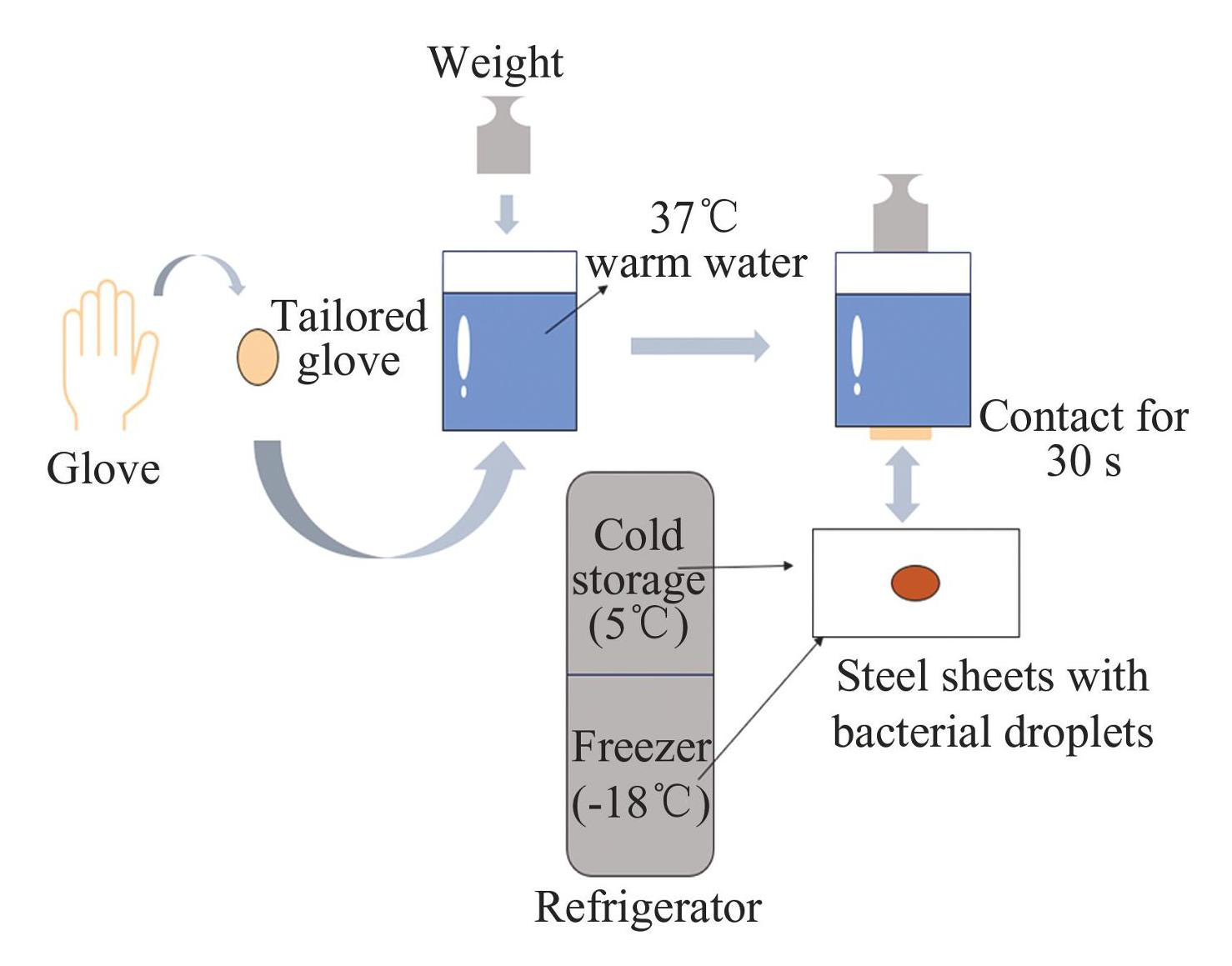
Fig.1Schematic of the experimental setup
1.3 Optical Density Measurement
The Optical Density (OD) , a property of the studied material, is a measure of the light absorbed by the detected object and is calculated as D (λ) =l g (1/trans) , where trans is the transmittance of the target object. This value is the transmittance or absorbance value. Within a certain range, the concentration of E. coli in the liquid is directly proportional to the absorbance value of the liquid; therefore, the absorbance value is a proxy measure of the concentration of E. coli and can be used to calculate a linear range relationship. The OD value of the bacterial suspension was recorded in each tube and the OD values of the suspension used in each experiment were maintained within a similar range. This method ensured that the concentration of bacteria in each experiment was constant, minimizing experimental errors as much as possible. The time was set to 8 h, at which point the highest bacterial activity was obtained.
1.4 Calculation of the Transfer Rate
The experiment was conducted in four groups under the same conditions.The first group served as the control group, while the remaining three were experimental groups. Each set of experimental results needed to be diluted 100-fold. To ensure the accuracy of data, the data in each test were diluted 10-fold, consistent with the sample data. The transfer rate was calculated using Eq. (2) :
(2)
where N1 and N2 are the numbers of E. coli on the control steel sheet and glove material, respectively.
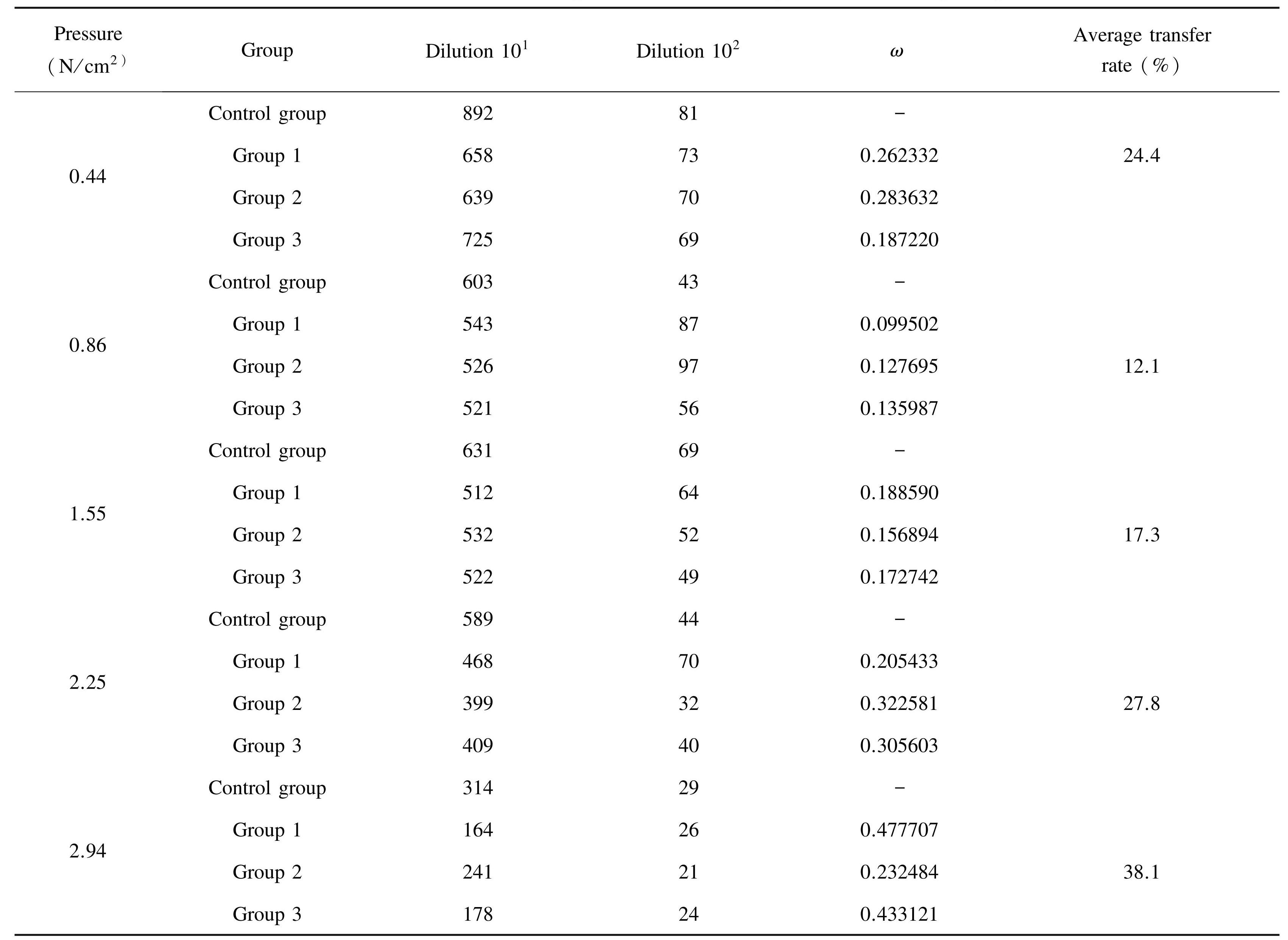
The average value of three sets of experiments was considered the final value of the experiment. In the experiment, the OD value of the bacterial solution was recorded, and the three samples were measured using a UV spectrophotometer with OD value of 1.389, 1.532, 1.375. The average OD of three samples was calculated as the final OD value of 1.432. The relationship between transfer rate and contact pressure in rubber gloves at freezing temperatures is exemplified by data processing. The measured transfer rates are listed in Table1.
Table1Transfer rate and contact pressure of rubber gloves at freezing temperatures
2 Results and Discussion
The survival of micro-organisms at cold-chain process temperatures is markedly different from that observed at room temperature. The temperatures encountered in cold chains are generally lower, which can affect microbial survival in several ways. First, low temperatures impede the growth and reproduction rates of micro-organisms. Many micro-organisms slow their metabolic processes when exposed to low temperatures, entering a state of dormancy that reduces their survival rate. However, some psychrophilic and cold-tolerant bacteria have the capacity to adapt to cold-chain temperatures. These specific microbial species demonstrate a relatively high survival rate at cold-chain temperatures compared with at ambient temperatures, and are capable of growth and reproduction at these temperatures[31].
2.1 Relationship Between the Transfer Rate and Contact Pressure
Different contact pressures (0.44, 0.86, 1.55, 2.25, and 2.94 N/cm2) were applied to explore the relationship between the transfer rate and contact pressure. At freezing temperature, the transfer rate with rubber gloves decreased to the lowest value, namely, 12.1%, and subsequently increased to a maximum of 38.1% with an increase in contact pressure. At cold-storage temperatures, the transfer rate with rubber gloves increased gradually with increasing contact pressure, namely, from 31.2% to 56.9%. At freezing temperature, the transfer rate with the cotton gloves first increased and subsequently decreased with increasing contact pressure, ranging from 26.8% to 44.4%. At cold-storage temperatures, the transfer rate increased with increasing contact pressure, ranging from 40% to 66.7%. The transfer rates under different contact pressures are shown in Fig.2.
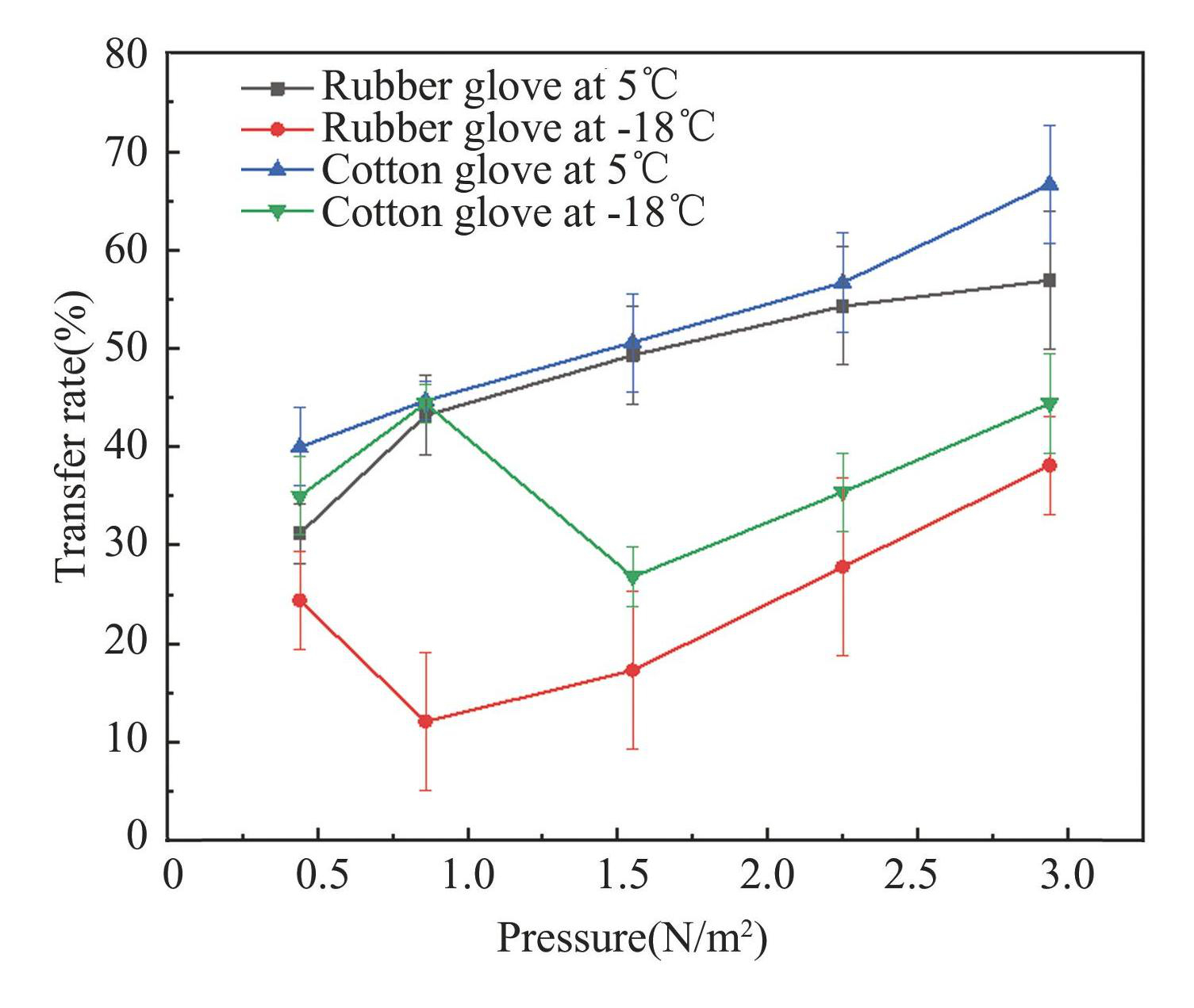
Fig.2Transfer rates of different contact materials under varying pressure
As depicted in Fig.2, the transfer rate increases gradually with increasing contact pressure, regardless of temperature (cold-storage or freezing temperature) . The general trend is as follows: the higher the pressure at the freezing temperature, the higher the transfer rate. The maximum and minimum transfer rates under cold-storage temperature were56.9% and 31.2%, respectively. The transfer rates at freezing temperature started to increase when the pressure values were 0.86 and 1.55 N/cm2 with the rubber (due to the formation of thin ice) and cotton gloves, respectively. Therefore, the transfer rate is affected by pressure, beginning at 0.86 and 1.55 N/cm2 with the rubber and cotton gloves, respectively. It was observed that the transfer rate increased with increasing contact pressure.
2.2 Relationship Between the Transfer Rate and Contact Time
Different contact times (0, 15, 30, 45, and 60 s) were examined to study the effect of contact time on the transmission rate. At freezing temperature, the transfer rate with rubber gloves stayed relatively constant at 40.9%-48.5% with increasing time, whereas the transfer rate with cotton gloves increased slightly and subsequently remained at 48.9%-69.3%. At cold-storage temperatures, the transfer rate with rubber gloves was initially stable and subsequently increased to 51.2%-56.7%; with cotton gloves, the transfer rate increased minimally and remained in the range of 29.8%-53.78%. The transfer rates associated with the two different materials at different contact times are shown in Fig.3.
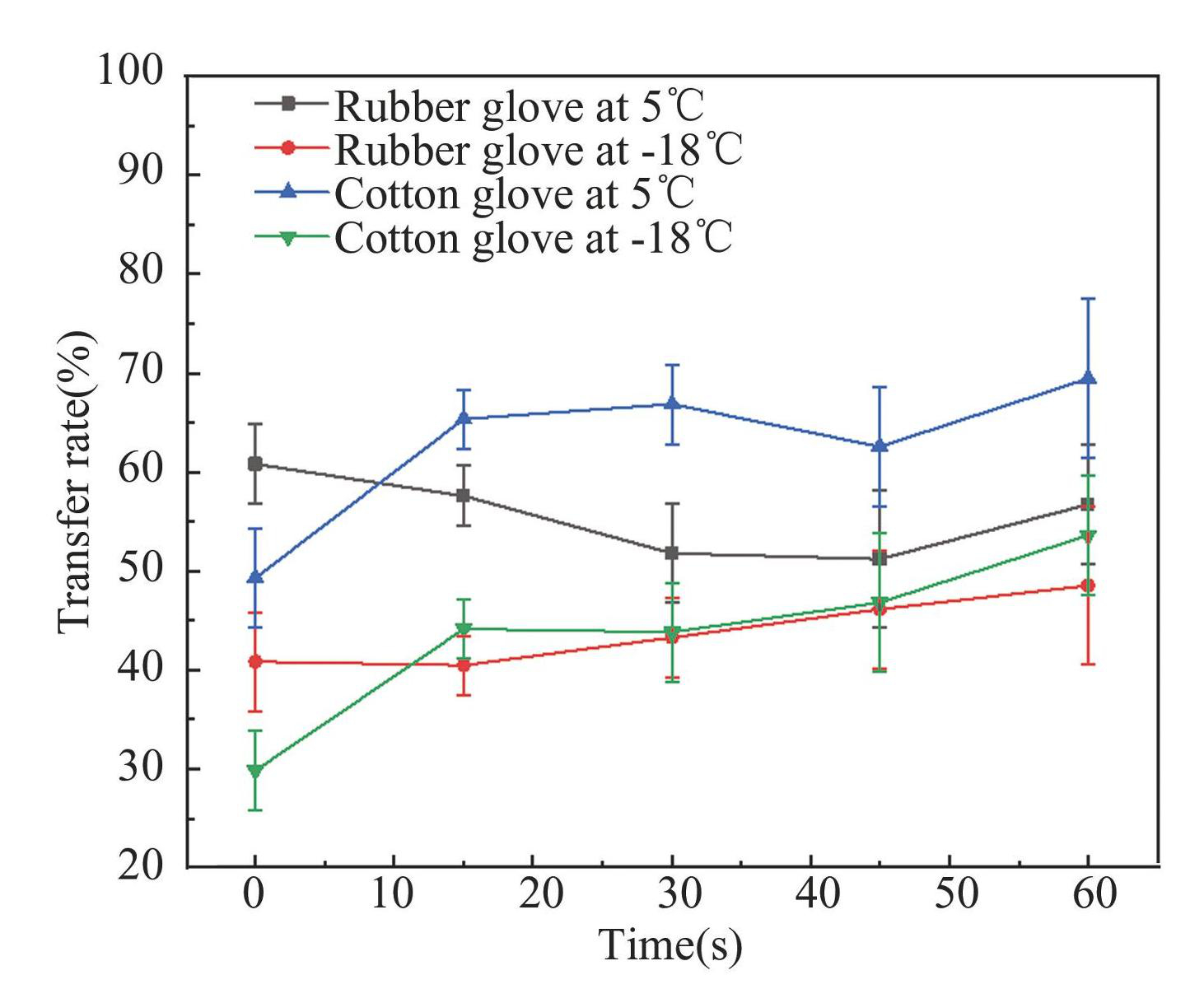
Fig.3Transfer rates using different materials and at different contact times
The transfer rate at cold-storage temperatures was higher than that at freezing temperatures. This is because a thin layer of ice forms on the steel sheet at freezing temperature, and micro-organisms adhere closely to it. Thus, the microbial adhesion and consequent mortality were considerably higher at freezing temperature than at cold-storage temperatures. When using rubber gloves, the general trend in microbial transfer fluctuates significantly at freezing temperature; however, it is relatively stable at cold-storage temperatures. In the case of both temperature settings, the longer the contact time, the more stable the transfer rate becomes. The lowest transfer rate was observed with cotton gloves with a contact time of 0 s, namely, the gloves and the steel sheet had not made contact. The transfer rate increased sharply when the contact time was extended to 15 s and subsequently stabilized with increasing contact time. Regardless of the contacting material, the transfer rate at cold-storage temperatures was always higher than that at freezing temperatures.
2.3 Relationship Between the Transfer Rate and Contact Material
We assessed the microbial transfer rate of different contact materials under varying contact pressures. Regardless of the contact pressure level or temperature, the transfer rate when using cotton gloves was higher than that when using rubber gloves (Fig.2) . This phenomenon is possibly because cotton gloves are porous and have a relatively high surface roughness. As shown in Fig.4, this material is more likely to carry adhered bacteria.
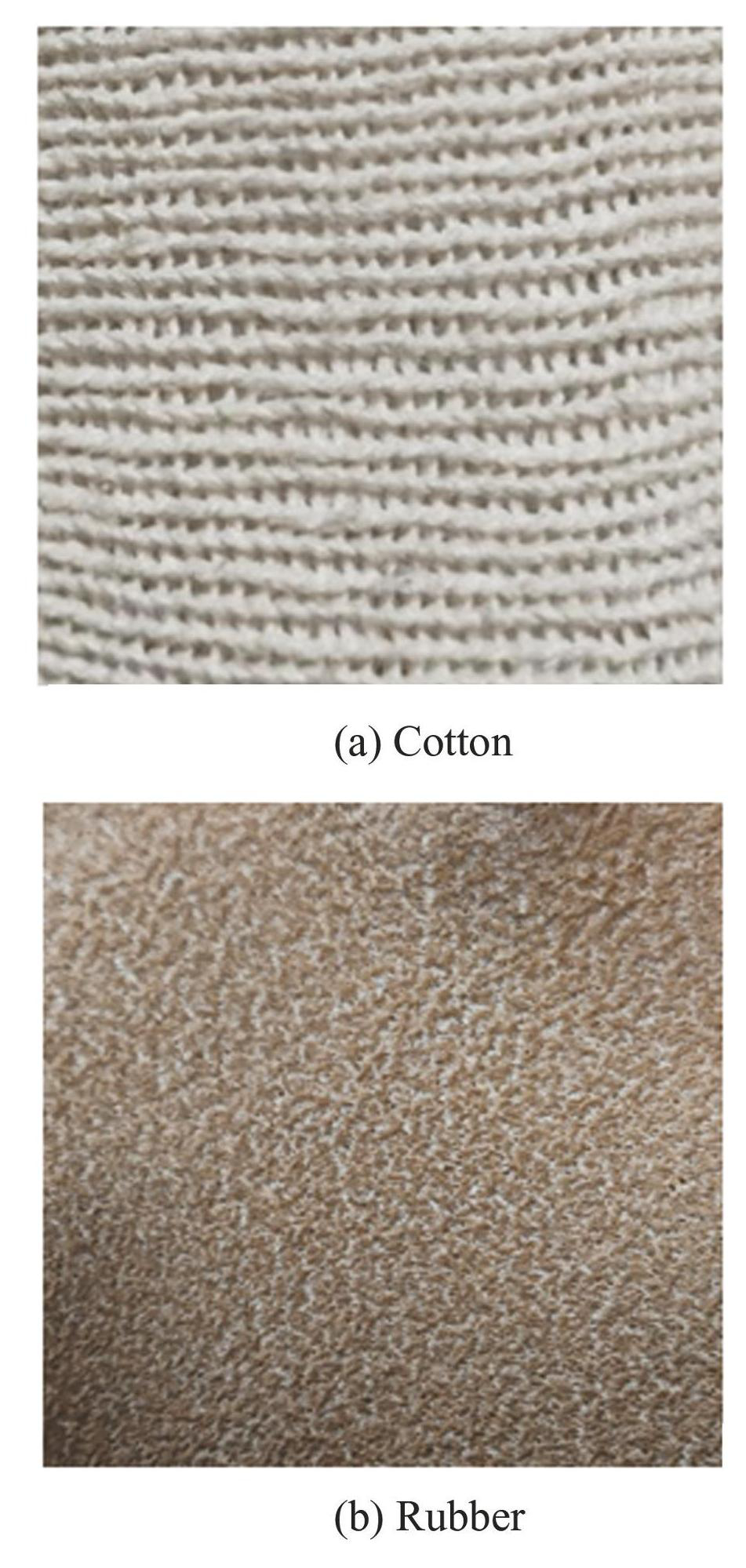
Fig.4Partial magnification of the contact material
Considering the transfer rate under varying contact times, the transfer rates of the two different glove materials were comparable at freezing temperature but differed significantly at cold-storage temperatures (Fig.3) . As mentioned previously, this result is attributed to the existence of a thin layer of ice firmly adhered to the surface of the steel sheet, leading to higher bacterial mortality. Therefore, at freezing temperature, the impact of contact time on the transfer rate of different glove materials is minimal. In contrast, at cold-storage temperatures, the surface of the steel sheet contains a wet layer of water, leading to different results when using the two different glove materials, wherein the transfer rate when using cotton gloves is higher.
2.4 Relationship Between the Transfer Rate and Contact Angle
In this experiment, small and medium tilt or contact angles that are representative of those commonly encountered in practical scenarios were selected at 15° and 25°. The selected angles are related to the tilt angle of packaging materials during transportation. There is a significant difference between these contact angles (15° and 25°) . By comparing the experimental results at these two distinct angles, the trend and degree of change in the transfer rate of micro-organisms with respect to the contact angle can be clearly observed.
The transfer rate when using rubber gloves at a contact angle of 25° was lower than that at 15°. In contrast, the transfer rate when using cotton gloves at a contact angle of 25° was higher than that at 15°. This is because rubber gloves do not experience relative sliding at an angle of 25°. The higher the angle, the downward pressure becomes more dispersed, resulting in a lower transfer rate. Conversely, the smaller the angle, the higher the downward pressure and the transfer rate. The outcome is different when using cotton gloves: relative sliding will occur at contact angles of 25° and 15°, resulting in the transfer of a considerable amount of bacteria. In this case, the higher the angle, the more likely relative sliding is to occur; thus, more bacteria will be transferred to the glove material. The smaller the angle, the less obvious the relative sliding, resulting in a lower transfer rate. The relationship between the transmission rate and contact angle for the two different glove materials at different temperatures is shown in Fig.5.The significance of the difference between groups with different contact materials and contact temperatures for the same contact angle is analyzed in Fig.5. a, b, c and d are the letter marks of the ANOVA significance analysis to indicate the significance of the difference between groups. The marked letters are different between the groups, and the results indicate that there is a significant difference between the groups.
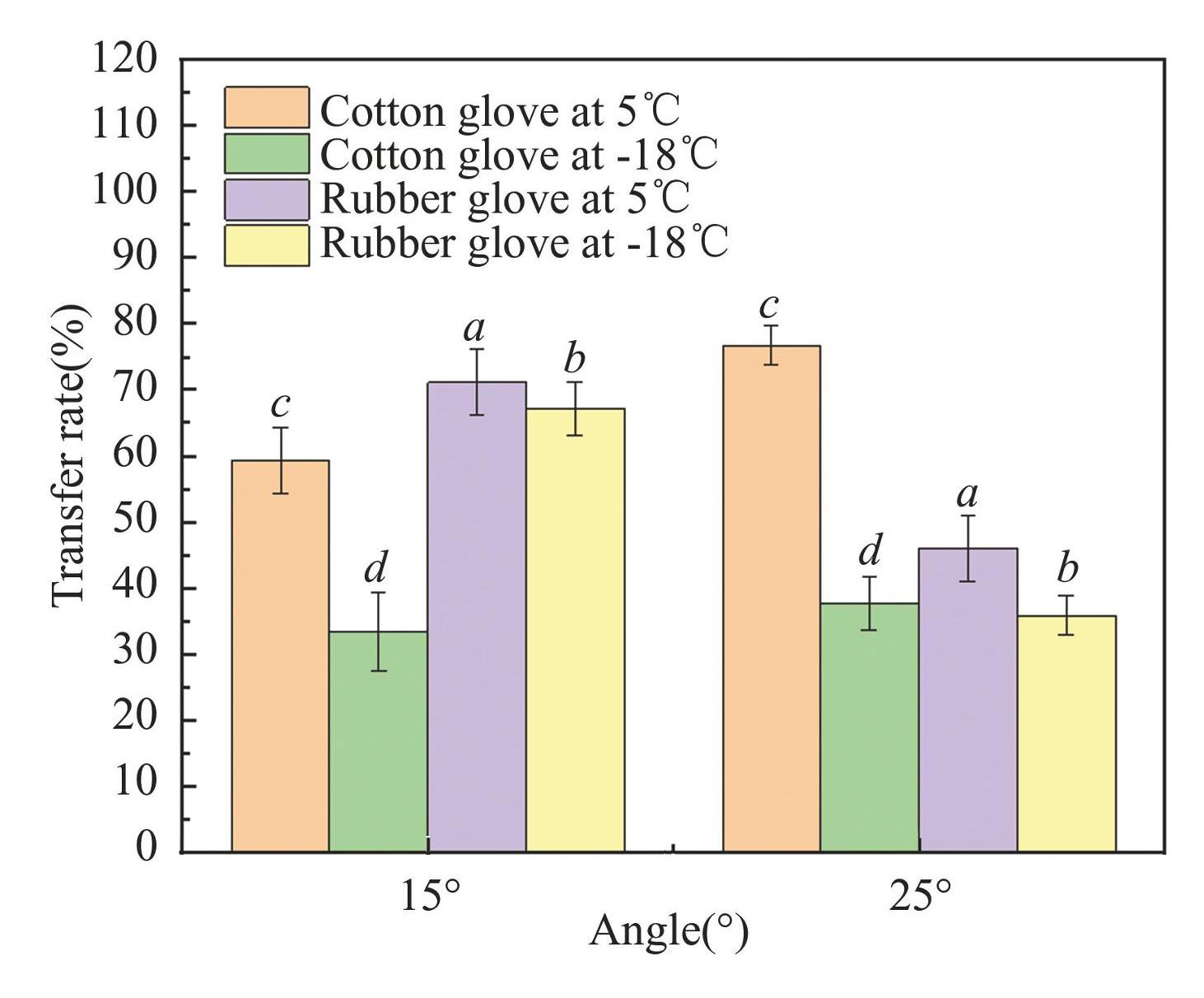
Fig.5Relationship between the transfer rate and temperature at different contact angles
2.5 Relationship Between the Transfer Rate and Temperatures
Figs.6 and 7 illustrate the relationship between the transfer rate and temperature at varying contact times and pressures. When the contact pressure was constant, for rubber gloves, transfer rates at cold-storage and freezing temperatures ranged from 31.2% to 56.9% and 12.1% to 38.1%, respectively. When using cotton gloves, the transfer rates at cold-storage and freezing temperatures ranged from 40% to 66.7% and 26.8% to 44.4%, respectively. When the contact time was the same, the transfer rates when using rubber gloves at cold-storage and freezing temperatures ranged from 51.2% to 56.7% and 40.9% to 48.5%, respectively. When using cotton gloves, transfer rates at cold-storage and freezing temperatures ranged from 48.9% to 69.3% and 29.8% to 53.78%, respectively.
For both rubber and cotton gloves, under the same working conditions, the transfer rate at cold-storage temperatures was higher than that at freezing temperatures. This is because, at freezing temperature, a thin layer of ice adheres firmly to the surface of the steel sheet. Micro-organisms on the steel sheet surface adhere closely to it as well and the adhesion is significantly higher than that at cold-storage temperatures. Additionally, the mortality rate of micro-organisms at freezing temperatures was higher than that at cold-storage temperatures. At cold-storage temperatures, micro-organisms survive and the number of micro-organisms is maintained to a certain extent. Once the temperature drops to freezing, the cell structure is damaged, preventing micro-organisms from maintaining normal physiological functions. As a result, the microorganism mortality rate increases. Consequently, the transfer rate at cold-storage temperatures is higher than that at freezing temperatures.
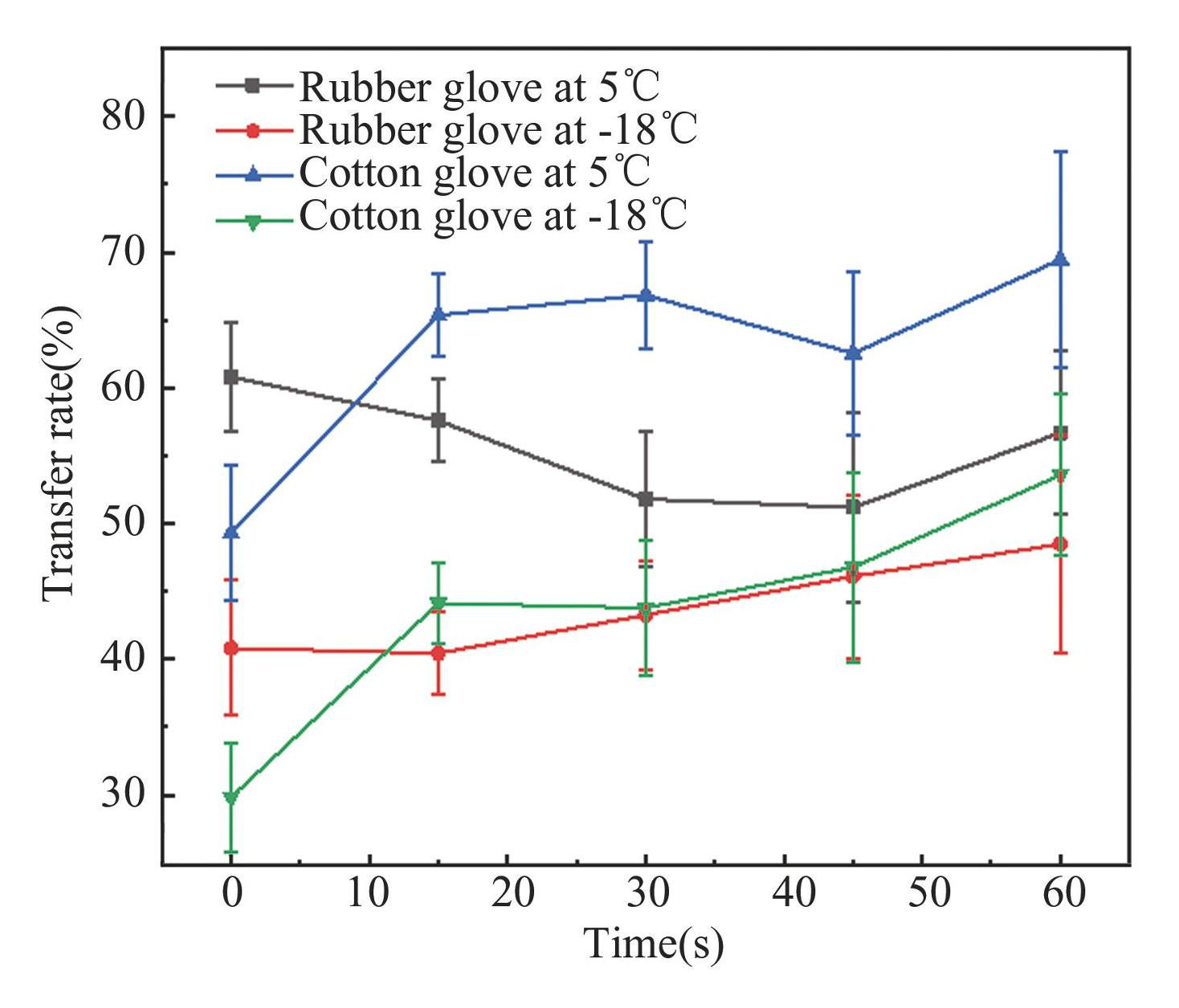
Fig.6Relationship between the transfer rate and temperature at different contact times
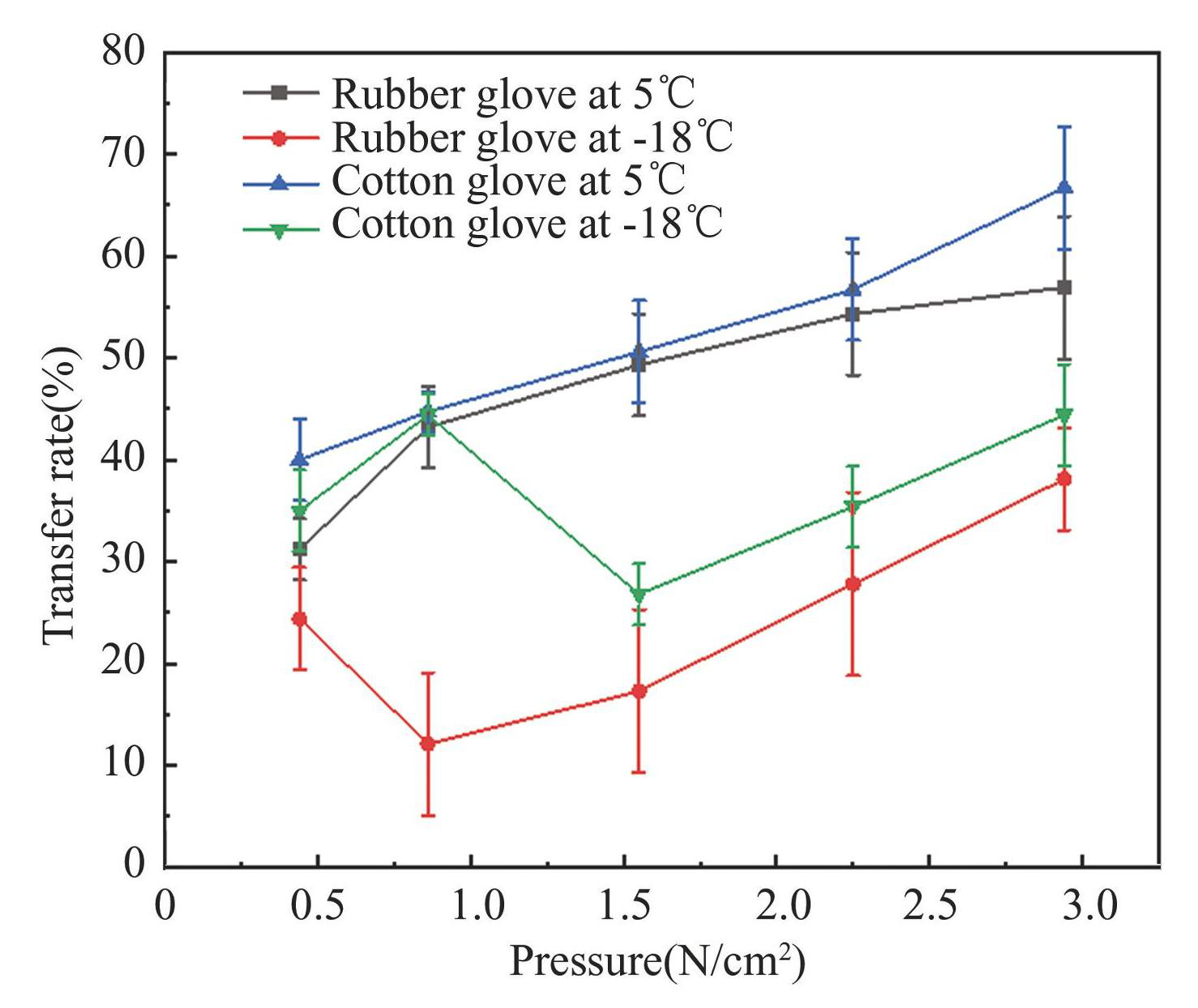
Fig.7Relationship between the transfer rate and temperature at different contact pressures
3 Discussion
Airborne and contact transmission are crucial pathways for the spread of pathogenic micro-organisms. Micro-organisms are significant components of atmospheric particulate matter[31]. A low-temperature environment retards the movement rate of particulate matter, thereby reducing its diffusion rate in the atmosphere. Consequently, the transfer rate of micro-organisms via contact also decreases. At low temperatures, the average velocity of gas molecules decreases. This leads to a decline in the mass-transfer rate at the gas-solid interface, as the movement of particles in the atmosphere is influenced by the collision of gas molecules[32-33]. Specifically, at low temperatures, both the collision frequency of gas molecules and the movement rate of particles decrease. As a result, the contact-related transfer rate of particulate matter is reduced. Furthermore, at low temperatures, electrostatic attraction between particles is enhanced, causing particle aggregation. The accumulation of particles increases their effective radii and diminishes their diffusion rates in the atmosphere. Thus, the contact-related transfer rate of particles at low temperatures is also affected.
Temperature is a crucial factor influencing the propagation characteristics of micro-organisms. A change in temperature will exert diverse effects on the transmission rate of micro-organisms through contact. Normal temperatures (10-40℃) are conducive to the survival and reproduction of micro-organisms, which adapt to the environment and improve resistance, and their survival time is maximized at optimal temperatures[34]. Their growth rate and metabolic activity will be enhanced, thus promoting the reproduction of micro-organisms. Concurrently, the mortality rate will decrease. As a result, the transmission rate of micro-organisms through contact is higher under this temperature range.
Adhesion represents a widespread phenomenon intricately linked to multiple forms of energy. Interfacial energy and the work of adhesion influence microbial adhesion capacity by altering the energy state of the system, critical parameters, and other relevant factors. These elements are interconnected and jointly determine the adhesion state. In the micro-and nanoscale regimes, as the size of the structure diminishes, surface energy assumes a pivotal role, with interactions involving elastic energy becoming dominant[35]. When the temperature decreases, molecular motion is attenuated, the binding of micro-organisms to the object surface is strengthened, and the work of adhesion is increased. As a consequence, micro-organisms on the object surface adhere more tenaciously to the surface, the transfer rate declines, and mortality rises[36]. Considering that micro-organisms require appropriate temperature, nutrients, and humidity for their growth and reproduction, low-temperature environments have an inhibitory effect on the growth and reproduction of micro-organisms[37]. At low temperatures, the metabolic rate of micro-organisms is significantly slowed down, and cell division and growth are inhibited, ultimately leading to microbial death[36]. Notably, at extremely low temperatures, such as-20℃, the metabolic activity of micro-organisms is nearly at a standstill; thus, their survival rate is substantially reduced.
The cell membranes and cell walls of micro-organisms play a role in protecting the internal structure and maintaining the integrity of cells[38]. Low-temperature environments can damage the cell membranes and other structures of micro-organisms. Microbial cell membranes and cell walls are affected by freezing and melting, resulting in structural damage and loss of function. At such low temperatures, the permeability of microbial cell membranes increases and material inside the cells leaks out. The cell walls are damaged, the viability of micro-organisms is severely affected, and the number of surviving cells is reduced. In a low-temperature environment, water in the bacterial suspension freezes and the micro-organisms are destroyed during the phase transition of water from liquid to solid. Additionally, low-temperature environments affect the biochemical reactions inside the cells of micro-organisms[39-40]. At cold-storage temperatures, the growth rate and metabolic activity of micro-organisms decrease but do not completely stop. The damage to micro-organisms is relatively mild (compared with the effects of freezing) , and micro-organisms may survive through self-repair mechanisms.
Fig.8 depicts the comparison of data fitting curves for the transfer rates of rubber and cotton gloves as functions of time and pressure at different temperatures. For the fitted curve of transfer rate versus time, x represents time and y represents transfer rate. For the relationship between transfer rate and pressure, x represents pressure and y represents transfer rate. In the experimental context, both time and pressure were identified as independent variables that, within a certain range, showed a positive correlation with the transfer rate[41]. In the time domain, for both cotton and rubber gloves, an escalation in time leads to a rise in the transfer rate at the corresponding temperature, yet to a more limited extent[42]. This is attributed to the fact that the substance has more time to infiltrate the glove material[43]. In the pressure-dimension, an increase in pressure caused an increase in the transfer rate, as the glove made closer contact with the substance being transferred. However, when the time or pressure extends beyond a certain range, the limitations of the linear fit become evident. When the time is too long, the penetration of the substance in the glove material reaches saturation. As a result, the transfer rate no longer increases with time, and the actual transfer rate deviates from the linear fitting results. Similarly, when the pressure is too high, the structure of the glove material is damaged, and the transfer rate decreases, deviating from the positive-correlation trend described by the linear fit[41, 44]. The influence of pressure on the transfer rate is characterized by its rapidity and significance. A slight change in pressure can lead to a substantial change in the transfer rate. For example, at 5℃, the transfer rate of cotton gloves shows a remarkable increase in response to an increase in pressure[43]. In contrast, the effect of time on the transfer rate is relatively slow. Even after an extended period, the increase in the transfer rate may not be as significant as the change induced by pressure over a short period.
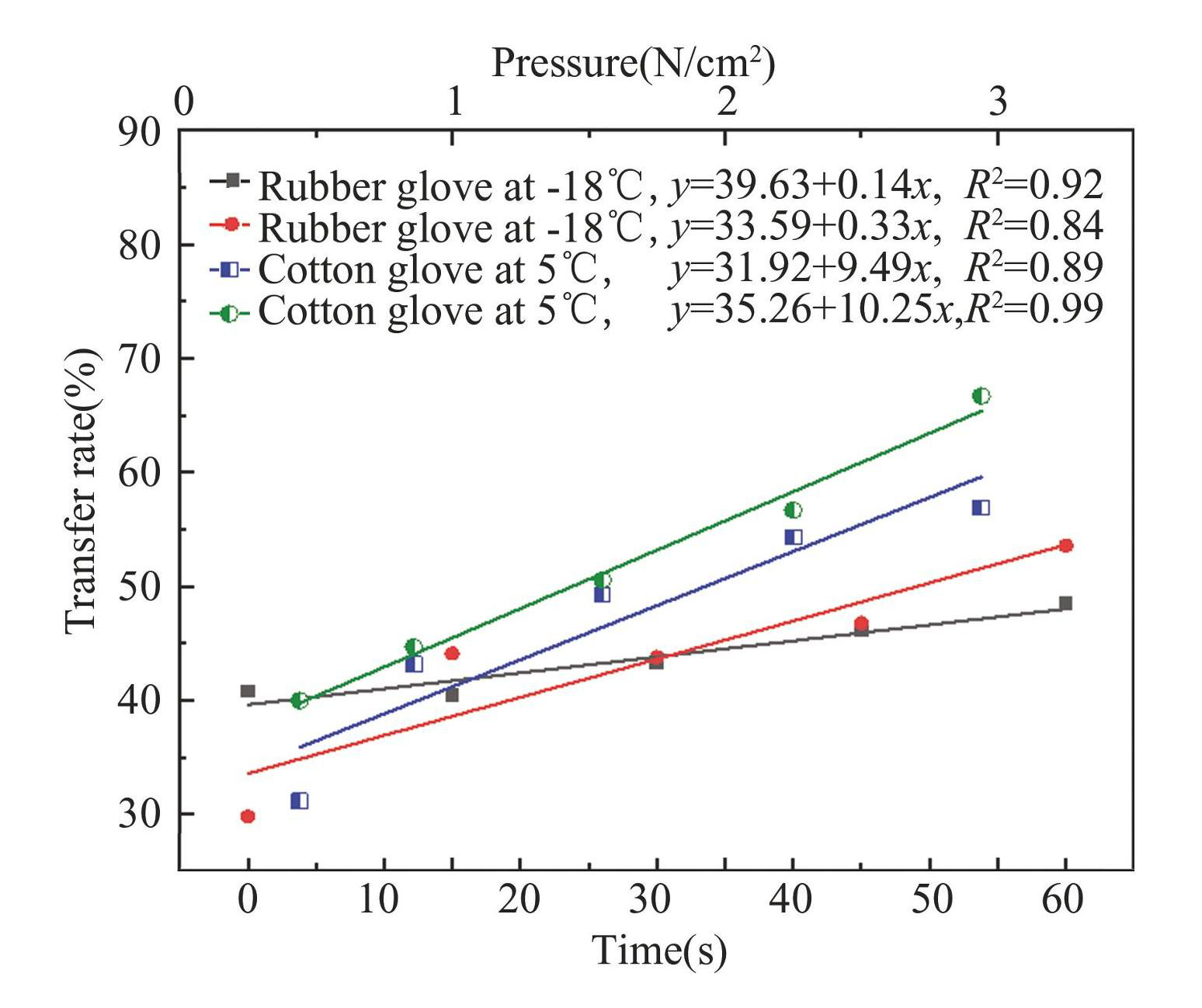
Fig.8Comparison of data fitting curves of rubber and cotton glove transfer rate with time and pressure at different temperatures
For instance, at-18℃, the transfer rate of cotton gloves increases gradually over time. The impact of pressure on the transfer rate is mainly due to the changes in the contact and interaction between the glove and the substance being transferred. These changes may include an increase in the tightness of the contact or the facilitation of the substance's entry into the pores of the material.Conversely, the effect of time on the transfer rate is mainly related to the diffusion and penetration process of the substance within the glove material. As time passes, the substance gradually fills the pores of the glove material, thus resulting in an increase in the transfer rate[43, 45].
Fig.9 presents the correlation analysis of all factors influencing the risk of infection during contact transmission. The influencing factors include temperature (Te) , hand contact temperature (THM) , contact pressure (P) , contact angle (ACA) , contact time (tCT) , surface material (SSM) , storage time (T) , and infection risk (R) . The most relevant factor is temperature, followed by surface materials. In this experiment, the number of surviving micro-organisms was higher at cold-storage temperatures than at freezing temperatures (microbial mortality was lower at cold-storage temperatures) . Therefore, the contact-related transfer rate at cold-storage temperatures was higher than that at freezing temperatures. Consequently, the risk of infection is higher at cold-storage temperatures and lower at freezing temperatures. Regarding contact materials, based on the biological experimental results, different cold-surface materials have different contact transfer rates. Differences in materials affect the number of micro-organisms adsorbed to their surfaces: cotton gloves are porous and have a large difference in grain height; thus, they are more likely to carry bacteria. Rubber and cotton gloves carry approximately 190 CFUs and 220 CFUs of E. coli bacteria, respectively; thus, cotton gloves carry more bacteria on their surface than rubber gloves. This results in an increased rate of contact-related transmission and a relatively high risk of infection. Other factors also showed a correlation with the risk of infection. Contact pressure, contact time, and storage time were moderately correlated with the risk of infection; contact angle was weakly correlated with the risk of infection; and hand contact temperature was not correlated with the risk of infection. Our results indicate that the contact-related propagation characteristics of micro-organisms on cold surfaces are affected by different influencing factors. However, our study has certain limitations. The presence of miscellaneous bacteria in the laboratory atmosphere also affected the experiment. Future studies should focus on controlling the experimental conditions, selecting inanimate indicators, and using aerosol particles as indicators. And thus, the experimental conditions should be further improved, and experimental errors should be reduced to enhance our understanding of the contact-related propagation laws.
The limitations of our study are as follows: microbial activity was affected by several factors. Because of the limited experimental conditions, the temperature and humidity in the biological laboratory could not be controlled. The presence of miscellaneous bacteria in the air could also affect the results. The mortality rate of E. coli could only be estimated. In the experiment, owing to the inactivity of aerosols, it is recommended to choose aerosol particles containing fluorescent dyes instead of micro-organisms; this would reduce the experimental error caused by uncertainty regarding the microbial mortality rate. However, owing to the lack of microscopes capable of detecting fluorescent particles in the laboratory, we could only use micro-organisms as indicators. The secondary transmission of micro-organisms on cold surfaces is affected by several factors. However, only a few factors were considered owing to the practical constraints. In an optimal experimental setup, as many factors as possible can be considered, such as wind speed, ambient humidity, and more types of contact materials. In future studies, the control of experimental conditions and selection of inanimate indicators must be addressed. These improvements in experimental design will reduce errors and yield results that will provide a clear understanding of the mechanism of microbe transmission through contact surfaces.
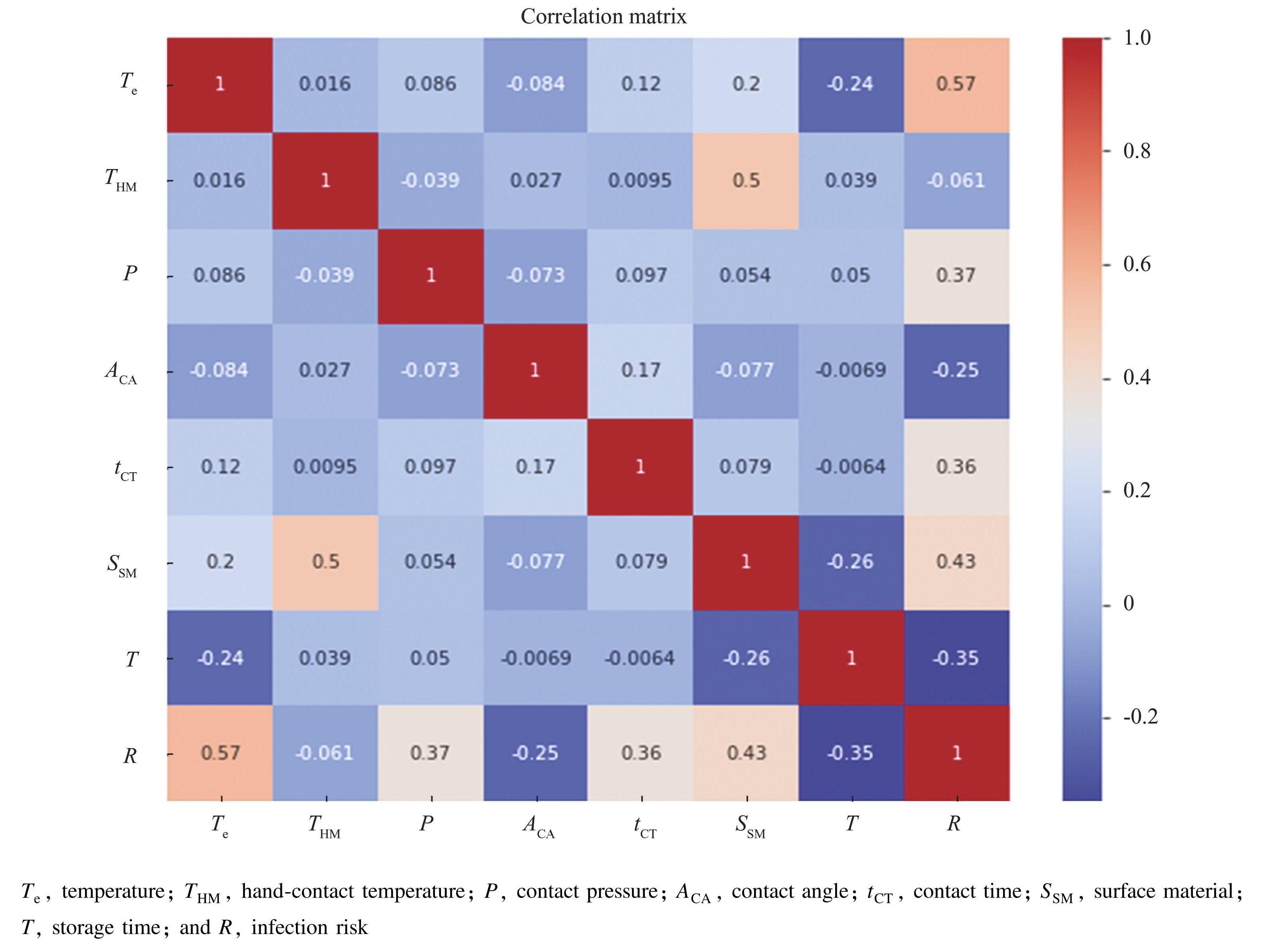
Fig.9Correlation analysis of all factors influencing the risk of infection
4 Conclusions
To address the problem of microbial contact transmission in cold-chain environments, E. coli was used as the indicator bacterium to explore the factors governing secondary transmission from contact with cold surfaces. The correlation between the contact-related transmission of micro-organisms on cold surfaces and influencing factors was elucidated. Notably, the lower the temperature, the more complicated is the contact-related transfer of micro-organisms.
This study delves into the unique characteristics of microbial transmission within low-temperature environments, with a specific emphasis on the cold chain environment context. This research orientation holds substantial significance. Its objective is to clarify the singular regulations that govern microbial transmission in low-temperature settings. By doing so, the study not only uncovers novel perspectives on the complex dynamics of microbial behavior in extreme conditions but also enriches our understanding of these phenomena. The research comprehensively takes into account the impacts of contact pressure, contact time, contact temperature, contact angle, and contact materials (cotton and rubber) on microbial contact-based transmission. Subsequently, it meticulously analyzes the synergistic effects of multiple factors. This approach is designed to offer a more precise understanding of the complex interplay of influencing factors in real-world cold chain operation scenarios. As a result, the study is better positioned to accurately reveal the underlying influencing mechanisms of microbial transmission.
This study clarifies the correlation between the contact transmission of micro-organisms on cold surfaces and multiple influencing factors. It enriches the theory of microbial transmission, which is highly significant for the hygiene and safety of the cold chain industry. By identifying the factors affecting the contact transmission of micro-organisms, cold chain industry practitioners can take targeted actions. They can effectively reduce microbial transmission in the cold chain environment, thus minimizing the risk of food contamination and ensuring food safety. For instance, according to the experimental results, we suggest several best practices to minimize microbial transfer during the handling of stored items in the commercial cold-chain process of refrigerated and frozen products. Lowering the cold-storage temperature can decrease the transfer rate of micro-organisms. When handling items in the cold-storage process, items should be placed flat to reduce the tilt angle. If the tilt angle is unavoidable, use rubber gloves when the angle is large, and cotton gloves when the tilt angle is small.
