Abstract
This work presents a study on the use of cathodic protection as a measure against corrosion in pipelines. The cathodic protection, compliant with the API 5L standard, is implemented here by applying an impressed current, while carefully considering several essential variables, such as soil characteristics, the type and color of the pipeline material, as well as the placement and size of the anode. Therefore, it is crucial to optimize the location and values of anodic overflows or ground resistances to ensure a uniform distribution of potential across the entire structure. In this method, impressed current protection uses an auxiliary anode and an external direct current source to induce a current through the electrolyte and the pipeline, thus countering the resistance of the steel. This approach is advantageous as it allows for the adjustment of electrical characteristics, particularly current levels, to meet specific needs. The factors essential to the effectiveness of cathodic protection systems, which optimize the distribution of protection potential across the structure, largely depend on the precise management of ground resistances during anodic discharge, particularly the attenuation coefficient (α). These factors were studied, and the results obtained were presented and discussed based on their influence.
0 Introduction
Cathodic protection is widely used across various industries, including those involving buried pipelines, condensers, water tanks, and chemical equipment. Many metallic structures, such as gas and oil pipelines and crude oil storage tanks, are susceptible to corrosion, which results from chemical or electrochemical reactions that break down the metal. Steel corrosion is a common issue manifesting in numerous complex forms of damage. Oil transportation facilities face several risks, often starting with unintentional deformations. These challenges highlight the need for repairing and maintaining infrastructure to ensure the operational efficiency of gas pipeline transport companies and to minimize associated costs.
It is crucial to differentiate between studying corrosion problems and understanding corrosion phenomena. A clear understanding of corrosion events is best achieved through an electrochemical approach, which provides insights into water corrosion. Given that moist soil can act as an electrolyte, analyzing metal corrosion in soil from an electrochemical perspective is valuable, even though soil differs from a typical electrolyte.
This work presents a study on protection measures for metallic pipelines subjected to soil corrosion constraints. These pipelines, often used for transporting hydrocarbons, such as oil and gas, varying in length, diameter, and the type of substances they carry. They are particularly vulnerable to risks related to manufacturing defects, corrosion-induced degradation, and surface cracks[1]. To address these challenges and ensure long-term operation, pipelines are continuously monitored. Among the methods employed in this study is the use of impressed current or sacrificial anodes.
Pipelines are typically made up of a continuous welded assembly, coated with various protective layers both internally and externally, and are often buried underground. They offer a more cost-effective means of medium-distance transportation compared to other methods. In the case of gas pipelines, they facilitate the flow of various fluids between extraction sites and consumption or export locations. The global network of gas pipelines extends to nearly one million kilometers, more than 25 times the earth's circumference. In urban areas, these pipelines are usually buried one meter deep, while in desert regions, they may be laid on the surface. Their diameters range from 50 mm (2 inches) to 1400 mm (56 inches) for larger pipelines. Due to the distance and isolation of extraction sites, undersea transport has become a preferred option[2].
Metal structures in petroleum pipelines face challenges, such as mechanical stresses and external chemical attacks, which can lead to corrosion, cracking, and structural instability. As pipeline networks expand to meet growing fluid demands, new technologies and solutions are required to address consumer demands. Without pipeline transportation, costs would increase and productivity would decrease compared to alternatives like trucking, rail freight, or tankers. Current research in pipeline technology anticipates the future development of multi-product pipelines, though this comes with environmental considerations.
For each application and type of product transported, the choice of pipeline type is made accordingly. In Canada, the pipeline system is rapidly expanding, making it one of the longest in the world (242400 km) . Corrosion prevention must begin at the design phase and continue throughout the project's lifespan. This involves ensuring a specific lifespan (e.g., 25 years) while minimizing investment and maintenance costs. Additionally, the chosen solution must comply with environmental protection standards and allow for the recycling or disposal of components at the end of their life.
Corrosion protection for pipelines can be achieved through coatings, cathodic protection, and inhibition. Prolonged exposure of pipelines to corrosive soil and aggressive water increases the likelihood of corrosion cell forming. Therefore, implementing protective measures against corrosion is crucial. Prevention methods include: (a) Coatings: These provide electrical insulation to the pipeline, preventing direct contact with the environment and reducing the formation of corrosion cells on its surface. (b) Cathodic protection: This technique involves applying a continuous electric current to lower the potential of the metal structure to a level where the corrosion is minimized[3-5].
Gray[6] highlighted several instances of stress corrosion failures in recently constructed pipelines in Australia and Canada. It was noted that industrial companies were conducting metallurgical tests, including hardness checks, to improve external coatings gradually. Between 1988 and 1989, in response to a50% increase in vanadium prices, vanadium-free steel was introduced, incorporating elements such as molybdenum (Mo) , chromium (Cr) , and TMCP. In 1990, advancements in deep-water oil and gas exploration led to the construction of additional pipelines, such as those connecting Oman to India and acrossing the Black Sea. During this period, companies began using thick Double-Submerged Arc Welded (DSAW) pipes, designed to withstand pressure-induced buckling. Additionally, seamless steel pipelines with a strength of 552 MPa were also produced.
The goal of this research is to show that achieving an optimal potential distribution for cathodic protection requires careful management of critical factors, including the environment, current levels, soil characteristics, pipe material, coating type, and anode placement. This study focuses on using imposed current for cathodic protection to enhance system performance and to ensure uniform potential distribution throughout the structure.
1 Methodology
The methodology adopted in this study is based on testing the materials used for the pipelines and on cathodic protection through impressed current.
1.1 Material Testing
In this study, the analyzed pipelines are constructed from API 5L X60 alloys and are equipped with internal and external protection, designed to provide effective insulation against corrosive environments. These coatings are primarily composed of a polyethylene base, covered with several millimeters of PE polymers or PP polypropylene.
A cathodic protection system is implemented to secure a24 km pipeline with an exterior diameter of 762 mm, designed for oil transportation. This system applies three distinct levels of impressed currents to ensure continuous protection against corrosion. The pipeline complies with the API 5L standard, established by the American Petroleum Institute, ensuring adherence to strict criteria, particularly regarding corrosion resistance.
Soil corrosivity is a critical factor for the longevity of underground infrastructures. It can be assessed by evaluating soil resistance during the design phase of metallic structures. Carbon steels, used in the construction of pipelines for collection networks and pressure maintenance systems, are favoured for their cost-effectiveness. These steels are widely employed in various energy sectors, such as desalination networks, oil, and natural gas industries. They are often categorized into different classes, such as API 5L Grade B, with their mechanical and chemical properties detailed in the API 5L standard[7].
The cathodic protection coatings applied to these pipelines act as external shields, creating an electrical barrier between the metal and its environment. This protection is provided by a two-layer polyethylene coating, designed to maintain the integrity of the metal structure. However, it is important to note that this coating does not offer absolute and permanent protection, as imperfections or damage may occur during installation over time. The cathodic protection system for the pipelines involves a negative electrical potential to the metal, preventing corrosion by making it thermodynamically impossible when the metal comes into contact with an electrolyte.
1.2 Performance Monitoring
Cathodic protection for the pipeline involves reducing the voltage between the metal and the surrounding environment to bring it into its immunity zone. Among the commonly used methods, we have selected cathodic protection by imposed current. This approach utilizes an external generator and an auxiliary anode, offering the advantage of adjusting electrical characteristics, particularly the current, to meet specific requirements. This flexibility enables the optimization of the system and provides protection over a broad area[8-9]. The protection method by imposed current (or current withdrawal) employs a direct current electrical energy source, which circulates through a circuit as depicted in Fig.1.
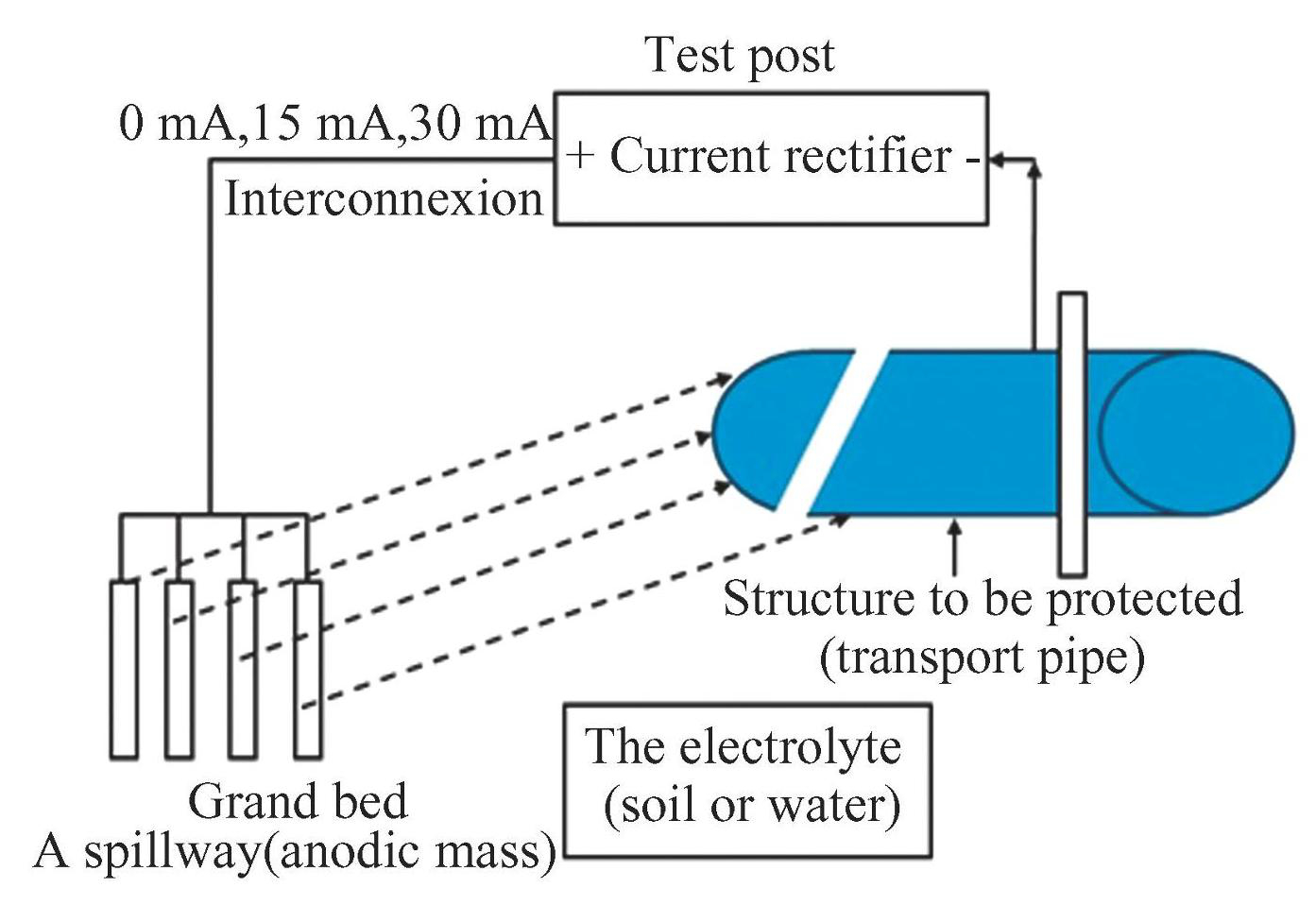
Fig.1Current connections and distributions
The cathodic protection system for the pipeline is set up with the positive pole of the energy source connected to the anode, while the negative pole is connected to the pipeline. The current flows from the anode through the electrolyte and then into the pipeline, resulting in a reduction in potential that aligns with the metal's immunity threshold. For steel, a potential of less than-850 mV/Cu/CuSO4 at any point along the pipe is typically sufficient to achieve immunity. However, to accommodate various soil conditions, including bacterial presence, a target potential of approximately-1000 mV/Cu/CuSO4 is often sought.
In this study, API 5L X60 steel pipelines, used for oil transportation, are protected with a100 V cathodic protection system over a24 km length. To assess potential distribution, twelve measurement stations were installed along the pipeline. Potential difference measurements were taken at 2 km intervals to determine soil resistivity and ensure the line's potential aligns with standard protection levels.
The criterion for steel immunity in an environment with a pH between 4 and 9 is a potential for-850 mV, measured against a saturated copper sulfate electrode. This method of cathodic protection is analogous to the elementary battery, where one electrode corrodes while the other remains protected. The technique employed involves current withdrawal or an imposed current device.
For the 762 mm diameter oil export pipeline, subjected to imposed currents of 0 mA, 15 mA, and 30 mA, its potential values varied depending on the current applied. Measuring the potential of buried pipes is crucial for evaluating the effectiveness of cathodic protection. Potential measurements, similar to those taken in test tubes immersed in an electrolyte, use reference electrodes.
Close-space potential measurements were performed with a current switch, a memory voltmeter, a reference electrode, and wiring to cover long distances. Continuous electrical contact with the pipeline was maintained to ensure accurate close-space potential readings. Fig.2 illustrates the assembly required for conducting close-space potential readings. The process begins with activating the current switches. Next, identify the nearest junction box or verification point to the measurement location. Connect an electrode to the negative terminal of the voltmeter and the positive terminal (usually red) to the negative contact of the structure are being inspected. This negative contact cable is typically available within the verification points or the junction box. Place the reference electrode on the ground at the first measurement point, as close as possible to the actual measurement position. Read the potential value on the voltmeter screen, ensuring its stability and noting its polarity (positive or negative) , then record the value. Continue taking potential measurements at subsequent points, generally every 10 m, according to the predefined measurement steps. When reaching a new verification point, reconnect the negative contact to avoid excessive cable lengths. The used equipment includes devices for measuring voltage, alternating and directing current intensity and electrical resistance with internal resistance typically around R>10 MΩ, as depicted in Fig.2.
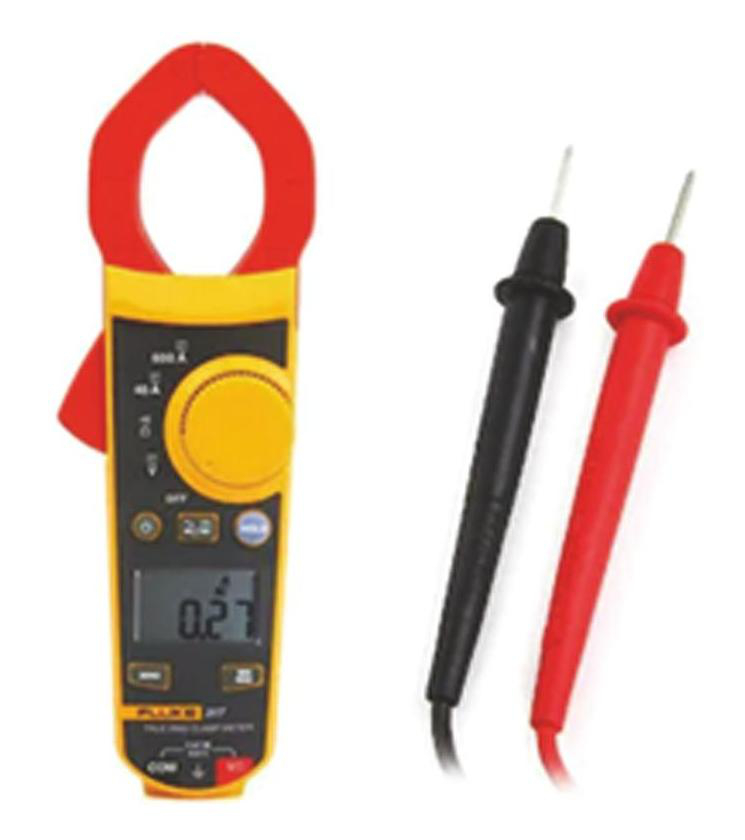
Fig.2AC/DC high resistance current clamp meter
The copper sulfate electrode, as shown in Fig.3, consists of a cylindrical plastic reservoir with a porous cap at its base, filled with a saturated copper sulfate solution. A copper rod is immersed in this solution, and the electrode serves as a reference for potential measurements. Electrical conductivity of a soil solution is an indicator of the soluble salt content in the soil and approximately reflects the concentration of ionizable solutes, or the soil's degree of salinity. This electrochemical property is based on the principle that the conductance (the inverse of electrical resistance) of a solution increases as the concentrations of electrically charged cations and anions rise. In this study, Electrical Conductivity (EC) is measured under standardized conditions at a temperature of 25℃. The conductance is determined using a conductimetric cell, which consists of two electrodes placed 1 cm apart, each with a surface area of 1 cm2.
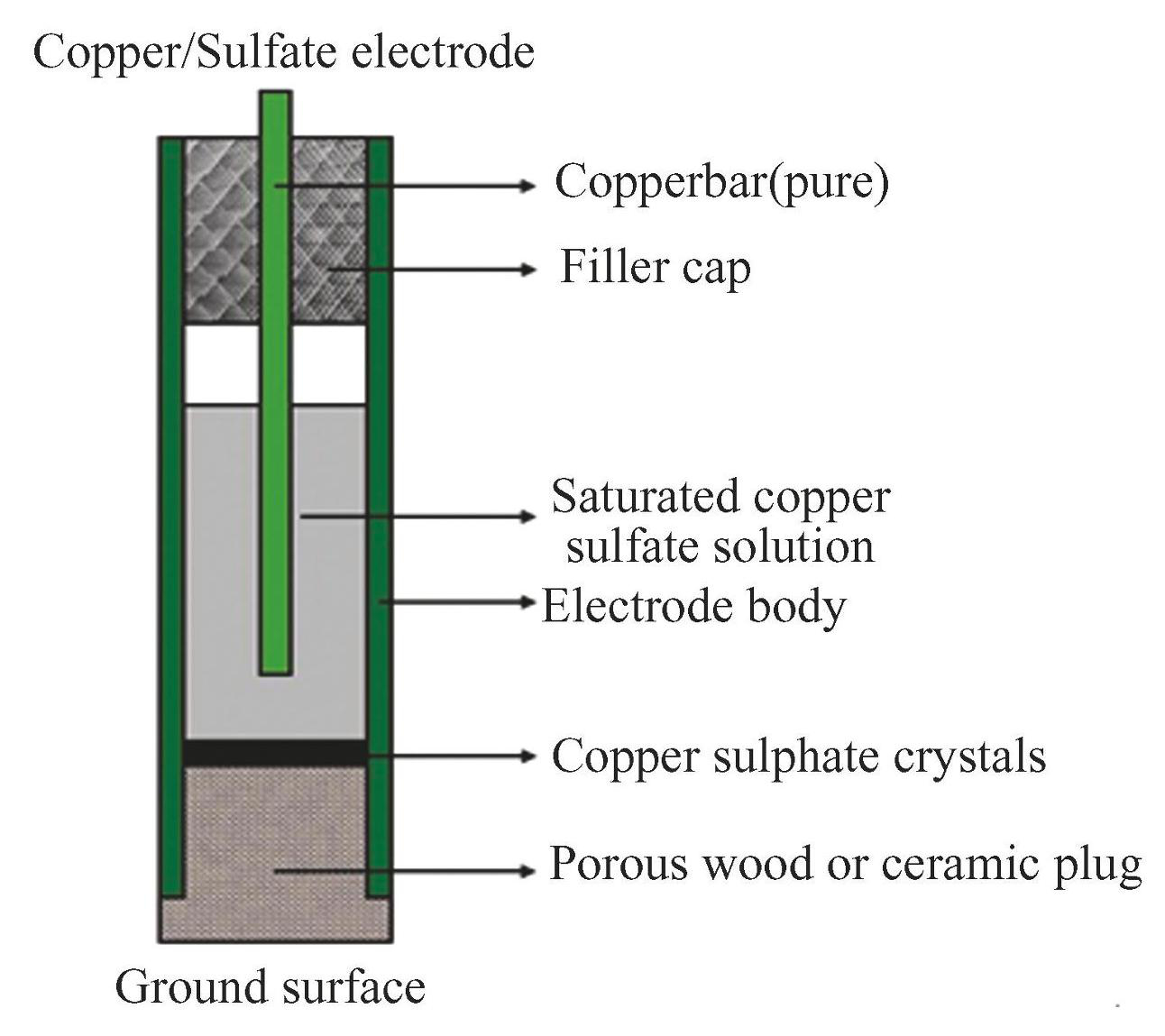
Fig.3Schematic representation of a copper/sulfate reference electrode
The saturated paste extract technique, proposed by the U.S.Salinity Laboratory in 1954, is used to measure soil salinity. This method involves drying and grinding the soil sample, sieving it to 2 mm, and then saturating it with distilled water to create a characteristic paste. The paste is then subjected to centrifugation or vacuum aspiration to obtain a solution, from which electrical conductivity is measured at the standard temperature of 25℃. This technique aims to approximate, in a standardized manner, the conditions of the soil in its natural state. The sample, after being dried in ambient air, is gradually saturated with demineralized water until it reaches its liquidity limit, as defined by the Atterberg limits. After allowing the soil to rest for 24 h, the liquid is extracted for measurement using the saturated paste extract method, developed by researchers at the U.S. Salinity Laboratory and has been internationally recognized. This method, known for its accuracy, measures electrical conductivity, abbreviated as CEe[9].
The region under study, from a pedological perspective and according to the French soil classification, is characterized by raw mineral soils, poorly evolved soils, halomorphic soils, and hydromorphic soils. These soils are predominantly sandy, with an alkaline pH and high salinity. The mineral fraction is almost entirely composed of minerals, while the organic fraction is very low, typically less than 1%. The pH of the soil varies depending on the depth and location where the pipe is buried. In sandy areas, over 22 km, pH values range from 4 to 9, with an average value of 6, indicating a weakly acidic pH.
Pourbaix diagrams, also known as E-pH or potential-pH diagrams, are utilized to predict the most stable states of a metal, including its corrosion products and associated ions in an aqueous solution under varying conditions of potential and pH. The Pourbaix diagram for the Fe-H2O system at 25℃, shown in Fig.4, illustrates the boundaries for insoluble corrosion products of dissolved metals and the concentration limits of free metal ions.
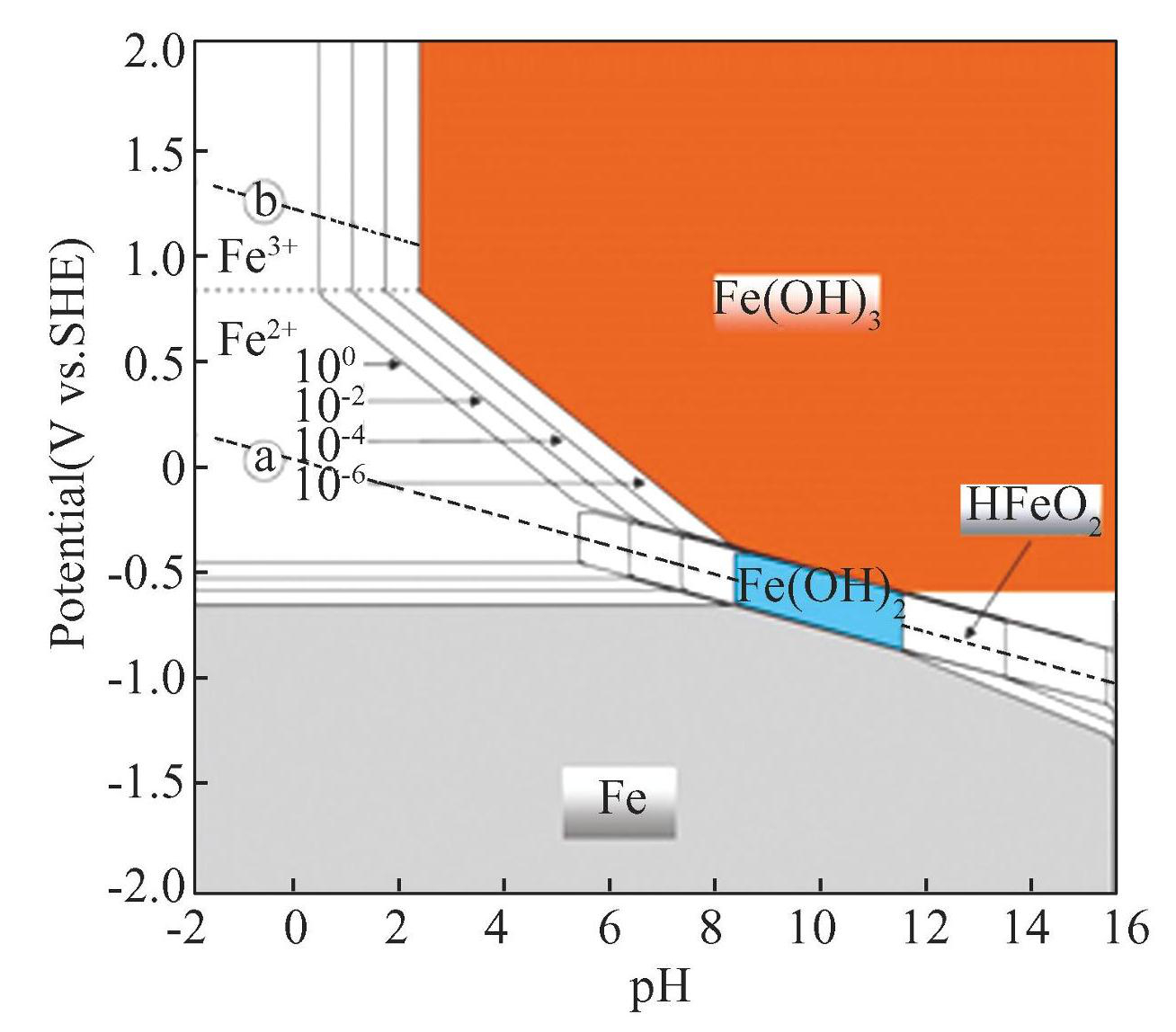
In the context of underground pipe corrosion, an increase in corrosion rate can occur under thermodynamically favorable conditions. When steel reaches an electropositive potential in an alkaline electrolyte, it can lead to the formation of solid complexes such as Fe2O3 or Fe3O4 .These complexes can form a protective layer on the surface of the iron, mitigating further corrosion[11-16].
The area between lines ⓐ and ⓑ in Fig.4 represents the zone of thermodynamic stability for water molecules, where both potential and pH remain relatively constant. Approaching the boundaries of this region may lead to the dissolution of water. For each 2 km section of the pipeline, anode beds are installed every 3 m.
Fig.5 illustrates the arrangement of anodes in relation to the buried pipeline, positioned every 3 m apart. The effectiveness of an anode is influenced by its placement relative to the structure and its environment. Optimal performance is achieved when the anode is installed centrally along the structure to ensure comprehensive coverage, positioned more than 3 m away from the pipe and any other buried metal structures, and located in the most saturated soil available, with low electrical resistivity, less than 30 Ω·m for zinc anodes and less than 50 Ω·m for magnesium anodes. Anode beds are typically installed at regular intervals along the pipeline to offer protection against corrosion. The spacing between these beds depends on various factors, including soil type, pipeline dimensions, and technical specifications of the cathodic protection system. Generally, anode beds are spaced several kilometers apart, but this distance may be adjusted to ensure effective long-term protection.
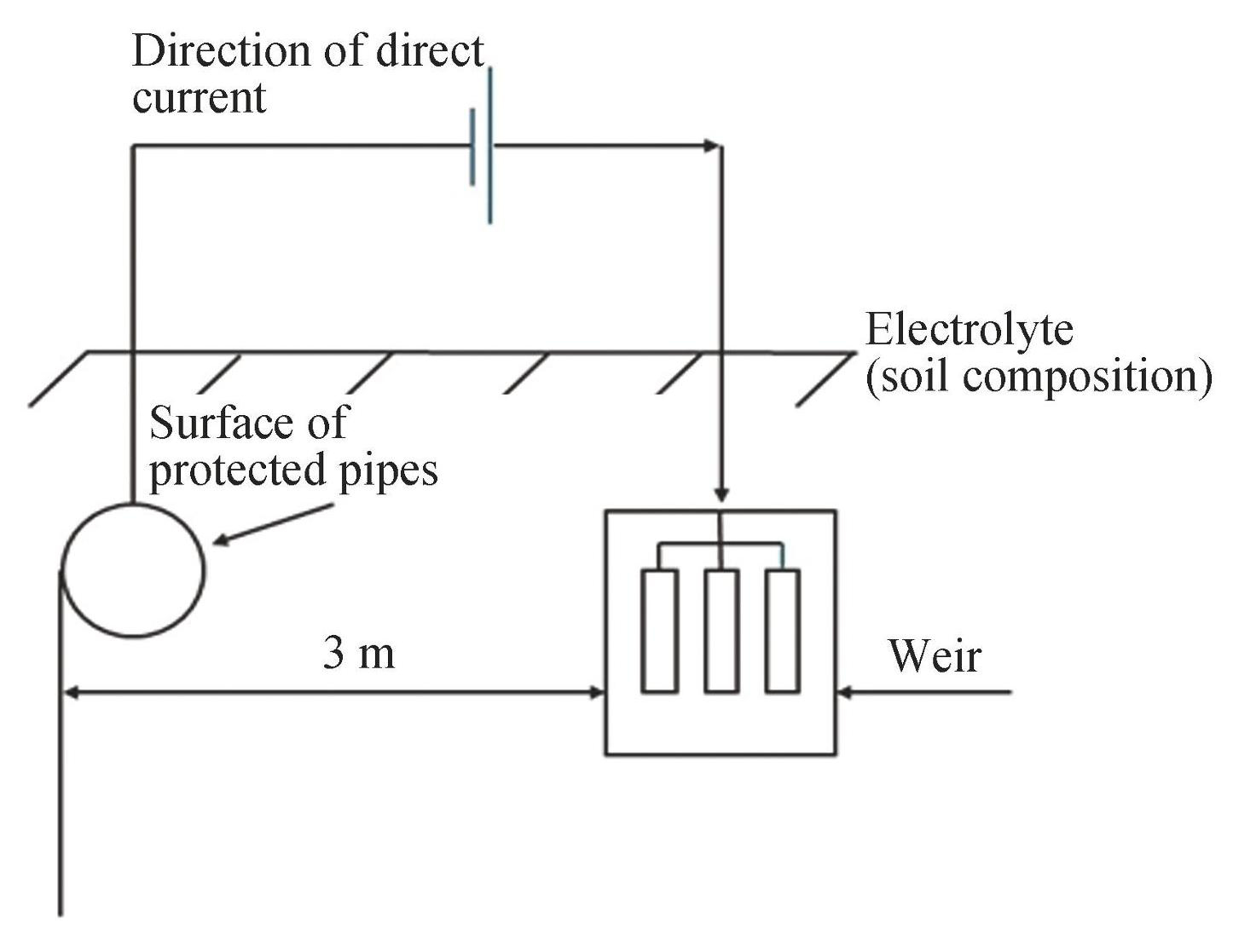
Fig.5Diagram representing the electrical circuit and the flow of current through the pipe
The anodes used consist of a cylindrical plastic reservoir filled with a saturated copper sulfate solution, with a copper rod immersed inside. This setup serves as a reference electrode for potential measurements. The weir (anodic bed) distributes the protection current from the positive pole of a transformer-rectifier station into the ground. The current is diffused from the horizontally installed anodes at the bottom of the trench, connected via a conductive cable. The anode bed, which behaves like an anode, is subject to oxidation and must be constructed from materials that ensure a lifespan of approximately 15 to 30 years. Anode beds typically consist of anodes, anode connection cables, and bypass kits.
The number of anodes is obtained from Eq. (1) [11]:
(1)
To determine the number of anodes (N) required, given the total mass (Ma) in kilograms and the unit mass of each anode (ma) in kilograms, the calculation is performed to meet a current requirement of 21.86 A. The anode mass necessary to achieve this current requirement is calculated as follows:
(2)
The number of anodes (N) required, given the total anode mass (Ma) of 327.9 kg, and assuming a unit mass of each anode (ma) , the calculation is performed to meet a current requirement of 21.86 A. The anode consumption (Ca) is 0.5 kg/ (A·a) , with a lifespan T of 30 years,and I represents the current (A) .
This method of protection, commonly referred to as protection by withdrawal, involves connecting the structure to be protected to the negative pole of a direct current source, while the positive pole is connected to a conductive part (metal or graphite) buried at a certain distance. The current leaves this part, called a spillway, crosses the ground, which is captured by the pipe, and returns to the generator through the metal of the pipe. This makes the pipe negative in relation to the ground. If the potential criterion is met in all respects, the pipeline is cathodically protected. Connections are made by cathodic welding for each section[12].
2 Results and Discussions
2.1 Measurements of Potential Differences Along the Entire Length of the Pipeline
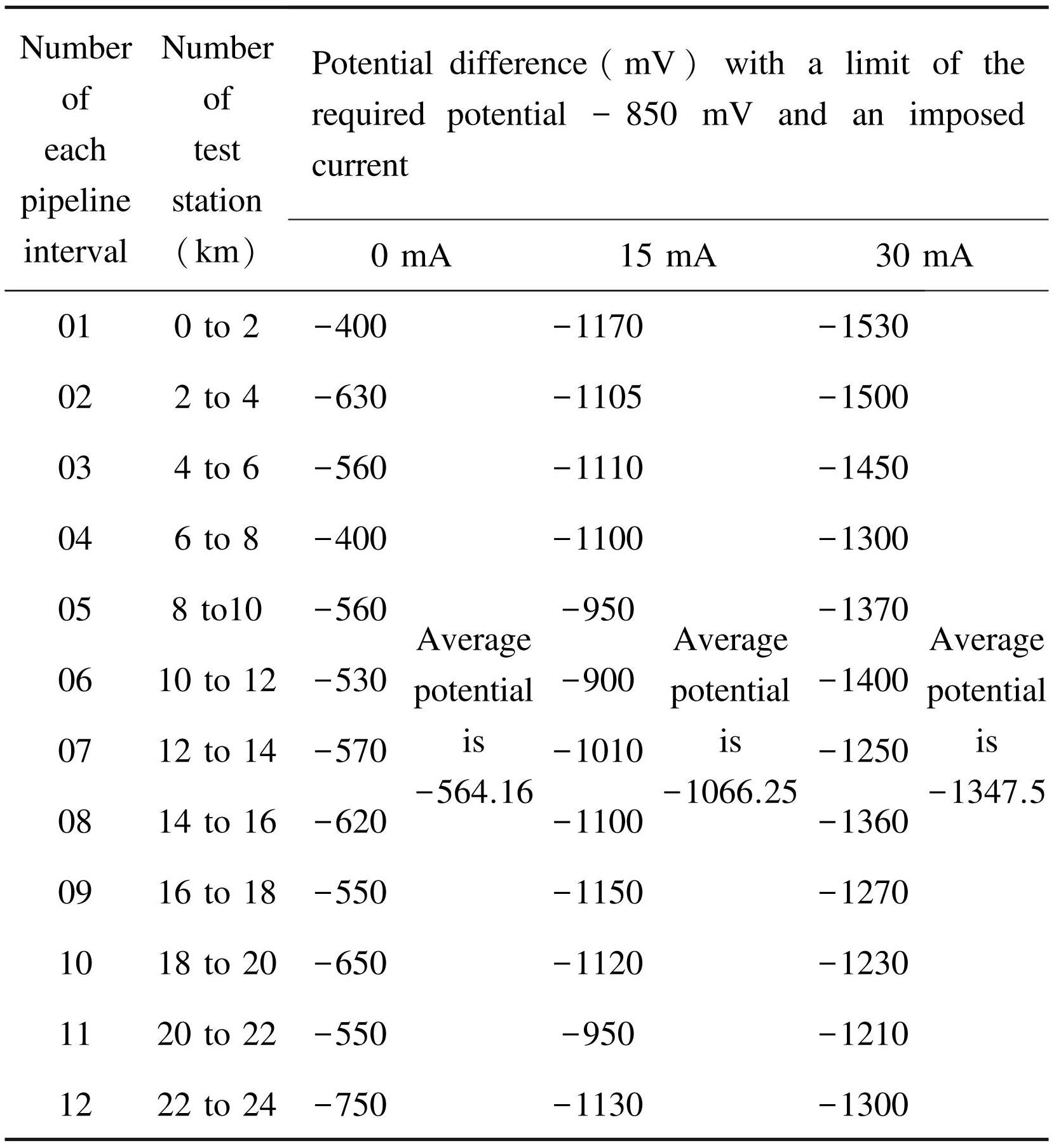
Table1 illustrates the variation in potential differences measured along the24 km pipeline under three levels of imposed current: 0 mA, 15 mA, and 30 mA, with readings taken at 2 km intervals. At 0 mA, the average potential was-564.16 mV, ranging between-400 mV and-750 mV, which is significantly above the protection threshold of-850 mV (Cu/CuSO4) , indicating inadequate cathodic protection and leaving the steel vulnerable to corrosion. When the impressed current was increased to 15 mA, the average potential improved to-1066.25 mV, with values ranging from-900 mV to-1170 mV, thereby achieving the recommended protection level without excessive polarization. At 30 mA, the average potential reached-1347.5 mV, with extremes as negative as-1530 mV, suggesting effective protection but also highlighting the risk of overprotection, which may lead to coating disbondment or hydrogen embrittlement. These results confirm that increasing current improves protection, but it must be carefully controlled to avoid detrimental effects. Fig.6 further complements these findings by graphically illustrating the same dataset, showing that the curve corresponding to 15 mA aligns more closely with the required protection potential of-850 mV compared to the underprotected case at 0 mA and the overprotected condition at 30 mA. Together, Table1 and Fig.6 emphasize that the15 mA current provides the most suitable balance for achieving uniform cathodic protection across the pipeline, ensuring structural integrity while avoiding risks associated with overpolarization.
Table1Potential difference measurement for each pipe interval indicated (the required limit potential is-850 mV)
2.2 Fluctuations in Electrical Potential Differences
The graphical representations in Fig.6, which illustrate the fluctuations in electrical potentials associated with cathodic protection as delineated in Table1, are derived from statistical computations based on correlation coefficients from experimental data. These curves clearly show that as the levels of imposed currents increase, the discrepancies in protective electrical potentials gradually decrease. This decrease continues until the potentials exceed-1500 mV at the midpoint of the12 km pipelines. After this point, the values start to rise more sharply towards the end of the24 km study sections. This shift is primarily due to the varying resistivity of the soil surrounding the pipelines. In accordance with the construction specifications for our oxygenated carbon steel pipelines, the recommended potential is set at-850 mV within the Cu/CuSO4 soles.
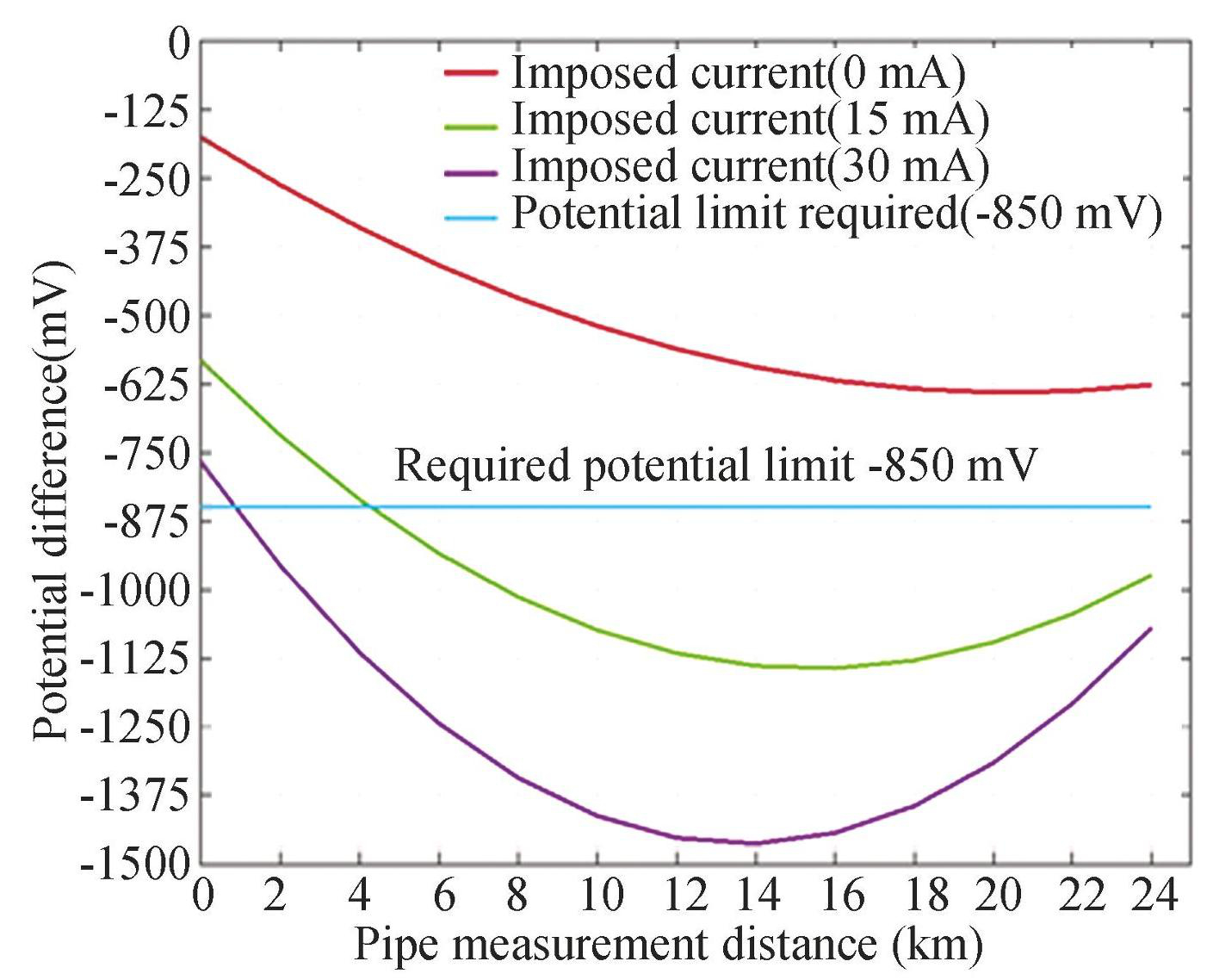
Fig.6Curves representing the variation in potential difference values measured at each 2 km interval along the 24 km pipeline
Analyzing these results highlights the benefits of curves that approximate the straight blue line, which represents the required constant potential differences of-850 mV. Notably, the red and green curves corresponding to 0 and 15 mA, respectively, show a closer alignment with this ideal line, indicating a higher level of acceptability. On the other hand, the purple curve, which deviates significantly from the desired potential, is considered less favorable. These observations emphasize the importance of carefully controlling and adjusting the imposed currents in cathodic protection systems to ensure that the protective electrical potentials remain within the desired range. Visualizing these trends through graphical representations helps evaluate the effectiveness and efficiency of the cathodic protection measures employed. Moreover, these findings underscore the significance of understanding and accounting for variations in soil resistivity, as they directly affect the performance and efficacy of cathodic protection systems used in pipelines and similar structures.
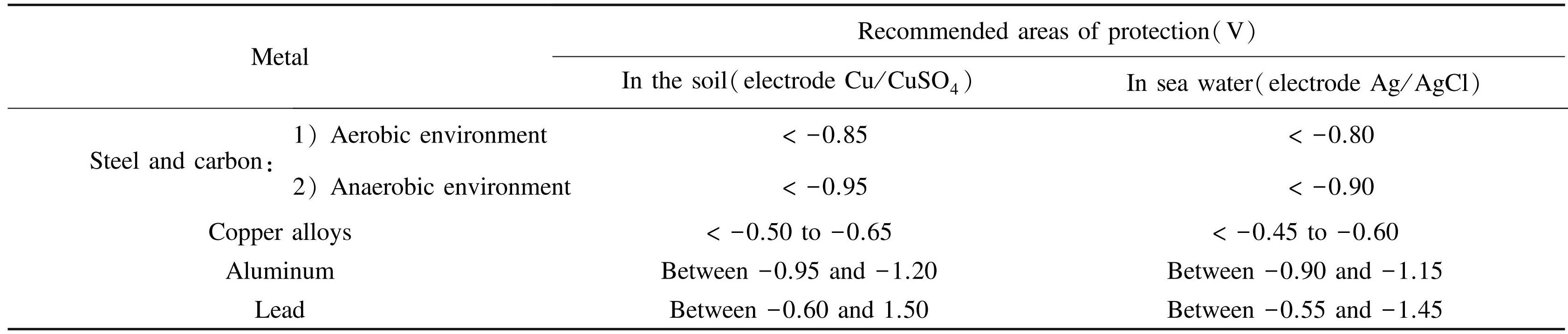
Table2 summarizes the generally recommended protection potentials for various metals exposed to soil and seawater environments, using Cu/CuSO4 and Ag/AgCl reference electrodes, respectively. For steel and carbon steels, the required potentials are below-0.85 V in soil and-0.80 V in seawater under aerobic conditions, while more negative values of-0.95 V and-0.90 V are necessary in anaerobic environments to ensure immunity against corrosion. Copper alloys exhibit protection ranges from-0.50 V to-0.65 V in soil and from-0.45 V to-0.60 V in seawater, reflecting their relatively high resistance to oxidation. Aluminum requires more negative potentials, ranging from-0.95 V to-1.20 V in soil and-0.90 V to-1.15 V in seawater, to maintain a stable oxide film and avoid localized pitting. Lead shows the widest acceptable range, between-0.60 V and-1.50 V in soil and between-0.55 V and-1.45 V in seawater, due to its natural corrosion resistance across varied environments.These recommended values serve as essential guidelines for cathodic protection design and monitoring, ensuring adequate corrosion control while avoiding risks of underprotection, which leads to corrosion, or overprotection, which may cause coating disbondment, hydrogen embrittlement, or excessive energy consumption.
Table2Presents the generally recommended potentials for different metals in various environments
These potential guidelines are crucial for ensuring effective cathodic protection and corrosion prevention. However, adjustments may be necessary depending on specific environmental conditions and requirements. Regular monitoring and periodic adjustments are often needed to maintain adequate protection against corrosion.
3 Conclusions
In summary, our study highlights that achieving effective cathodic protection requires meticulous control over various environmental and technical factors. Key elements include soil composition, pipeline material quality, coating type used, as well as the characteristics, dimensions, and placement of anodic overflows. Each of these factors plays a crucial role in the effectiveness of cathodic protection systems.
Optimizing the distribution of protection potential across the structure largely dependends on the precise management of earth resistances at anodic discharge, especially the attenuation coefficient (α) . This coefficient, influenced by insulation resistance and the condition of the coating, is fundamental to the effectiveness of the protection. High insulation resistance lowers the attenuation coefficient, thereby increasing the effective range of protection. Conversely, a high attenuation coefficient reduces the effective range, necessitating an increase in the number of discharge stations along the pipeline, particularly when insulation resistance is low. This underscores the critical importance of continuously monitoring coating conditions and protection potential.
While our study demonstrates the importance of controlling these parameters to ensure effective protection and potential distribution, further validation through practical applications is needed to confirm these findings and refine the protective strategies.
