Abstract
The buckling behavior of stiffened panels is significantly influenced by material and geometric defects, making it a critical factor in ensuring structural integrity and safety. These panels are widely used in mechanical, aerospace, marine, and civil engineering applications due to their ability to enhance bending stiffness with minimal additional weight. Under high loads or stress concentrations, localized structural failures can initiate global buckling in stiffened panels. This study investigates how such defects affect the critical buckling load, stiffness, and thickness of stiffened panels. Two finite element analyses were conducted: a linear analysis to identify the initial buckling mode and a nonlinear analysis using the Riks algorithm in Abaqus CAE, incorporating localized imperfections. The simulations show that material and geometric defects can reduce buckling resistance depending on their severity.
0 Introduction
Stiffened panels are key components in various structural applications, supporting traffic loads and ensuring the safety and efficiency of engineering structures. Buckling is a principal failure mechanism, and engineers aim to predict it accurately through analytical methods to prevent structural failures. The structural benefits of panels with reduced stiffness have not been conclusively demonstrated. Inadequate stiffness or load-bearing capacity in individual members increases the risk of structural instability and collapse[1].
Stiffened panels may fail under specific loading conditions, particularly near the end of their service life or when structural damage is present. These failures may result from different mechanisms such as buckling, yielding, or fracture, all of which pose significant safety risks. Therefore, it is essential to understand the buckling phenomena related to these profiles to avert structural catastrophic failures. This study systematically investigates how geometric and material imperfections affect the structural response of stiffened panels[2-3].
Buckling is a prominent failure mechanism in engineering design, particularly in maritime and aeronautical structures. These constructions frequently depend on longitudinally stiffened panels for their strength and energy absorption properties. However, accurately predicting their maximum strength remains challenging due to the complexity of the structural model. Buckling is distinct from bending and can result in catastrophic failure, particularly in airframes and maritime structures. Stiffeners are added to improve the structural response by increasing the second moment of area of the panel skin[4].
Researchers all over the world are very interested in linear buckling analysis since stability-based evaluations were added to European Design Standards by the Advisory Council for Aeronautics (ACA) . The objective of European aeronautics research is to attain an 80% decrease in aircraft emissions[5]. To enhance these structures for weight reduction and fuel efficiency, it is essential to account for dynamic buckling. The impact of weight reduction may be essential for particular load patterns that require thorough analysis[6].This research contributes to an ongoing study aimed at creating a logical foundation for determining the maximum strength of reinforced panel structures. This study tested many reinforced panels under different types of stress, such as pure shear and mixed uniaxial compression and shear. These tests employed a rigid loading frame with boundary conditions analogous to those present in conventional fuselage and wing box designs[7]. Based on an analysis of how they respond and fail, mathematical models were made to predict the ultimate strength of panels under certain loading conditions. In a previous study[8], we examined the correlation between welding parameters and the impact of these faults on the buckling failure of stiffened panels. The model simulated the effect of welding-induced delamination on the mechanical response of the stiffened structures[8].The study of how imperfections in the material and shape affect the buckling failure of stiffened panels shows the complexity of structural stability.
Shahrjerdi et al.[9] examined different design theories for metal-stitched cylinder-shaped shells. They used finite element models to show that Donnell's theory was wrong because it did not take into account transverse shearing stresses[10]. Using these measurements from the experiments, a group of shell buckling models took into account how imperfections have a big effect on the buckling behavior of composite cylindrical shells. The critical buckling pressures of these shells were then calculated[10-11].
Gomes and Awruch[12] investigated structural optimizations using sensitivity analyses in the Finite Element Analysis (FEA) environment. This study confirmed that initial imperfections and geometric effects significantly influenced buckling results. The methodology includes two parts: experimental measurement of performance metrics and numerical model validation.
The previous work was done using Abaqus software, which used the finite element method to create models that mimic experimental results for reinforced metal panels. It is important to set up a strong basis for predicting the critical load when buckling happens[13]. This study shows that the buckling response is very sensitive to different shapes and the size of initial flaws in the panels. This is particularly important as it highlights the necessity of considering both material and geometric imperfections in the design and assessment of aluminum structures. This work also discusses structural improvements using Hybrid Differential Evolution Particle Swarm Optimization (HDEPSO) , a metaheuristic algorithm combines Particle Swarm Optimization (PSO) and Differential Evolution (DE) . It utilizesPSO's velocity update for exploitation and DE's mutation and crossover for exploration. To prevent premature convergence, the algorithm strikes a balance between local refinement and global search, which is frequently used in science and engineering to solve challenging optimization problems. When compared to standalone DE or PSO, HDEPSO improves convergence speed and solution accuracy, achieving a14% weight reduction in L-type reinforced panels. This part of the study illustrates the practical relevance of the work, demonstrating that numerical methods can enhance design efficiency in aerospace and marine engineering applications.
Zhang et al.[14]conducted a study on the ultimate strength of stiffened plates with different loading conditions. Their work showed how shape flaws affect material behavior when reaching maximum stress and built a link between experimental and numerical results. They focused on aluminum panels with various stiffeners after reaching their maximum load during axial compression and lateral pressure. This is crucial in engineering, as these situations often happen, especially in maritime and aeronautical fields. Moreover, they also analyzed that shape flaws can greatly impact elastic buckling and maximum strength, which is a common issue in manufacturing. Zhang et al.[14] discussed a quantitative analysis of the buckling modes and considered the effect of fixed and floating transverse frames on the buckling behavior of stiffened plates. This distinction is important since it will result in different failure modes and ultimate strength values. Extensive numerical simulations revealed that frame design significantly influences the load-carrying capacity of the panels.
For instance, Shi et al.[15] investigated stiffened panels under impact loading and found that initial imperfections and mode coupling greatly affect dynamic buckling strength. They concluded that design guidelines (such as ship classification rules for hull panels) should be updated, their results provide a basis for dynamic buckling strength evaluation and “ship rules modification”.
Zhou et al.[16] investigated the local and global modes of interaction in stringer-stiffened plates. They validated their analytical model against experimental results, demonstrating the success of numerical methods in predicting buckling responses. This verification highlighted the importance of accurate modeling when predicting structural behavior under load. It gave an analytical solution for elastic buckling of stiffened panels under pure bending and extended upon previous work. They carried out a large-scale study on defects and tensile properties, which adds to the understanding of how geometric and material imperfections influence the buckling responses of aluminum members.
Abramian et al.[17] developed non-destructive techniques to predict buckling loads in imperfect shells. Stepwise linear stability analysis is not only too complicated, their research indicated that it often overpredicted the buckling loads. A nonlinear framework for shell buckling analysis gives us new information about how defects affect the strength of structures and how to better design these parts. They created a nonlinear framework, which is different from the usual linear stability analysis, that leads to an unrealistically high critical buckling load because imperfections are not taken into account well enough. They argued that the normal approach failed to account for the true loci of buckling, leading to a disconnection between theoretical and actual performance. This summary of conventional approaches is important for focusing on a necessity: better understanding of how faults affect structural integrity. They also demonstrated a non-invasive method for estimating buckling stresses without prior fault knowledge, delivering practical solutions to a perennial problem in structural engineering.
If the method proposed by Abramian et al.[17] works, it will change the way we test metal stiffened panels and make designs that are more reliable by taking into account the natural variations in the material and its shape. In Ref.[18], the probabilistic aspects of how imperfect hemispherical shells buckle were studied. A statistical approach was suggested to model the reduction factors that come with imperfections. Their research showed that defects can interact with each other in important ways. This means that structures that do not work correctly could be explained using extreme value statistics, which makes designing and judging these structures more difficult.
Falkowicz[19] conducted an extensive investigation on the stability and failure of thin-walled composite plates with asymmetric geometries. This work gave a clear explanation of how the experiments were done. These experiments include axial compression tests that were improved by acoustic emission techniques to track the progress of damage. This technology is particularly advantageous for enabling real-time damage assessment, providing insights into the mechanisms that lead to buckling failure. Putting together acoustic emission data with experimental results helps us learn more about how material and geometric flaws affect the strength of composite plates when they are compressed. The study emphasizes the importance of analyzing defect impacts on the performance of panels in practical applications in order to understand mechanical couplings and damaged evolution under compressive forces, but enriching the discussion on material and geometric flaws.
A crucial aspect of the work of Zheng et al.[20] is the examination of the relationships between defects. The researchers intentionally modified the distance between two defects and found that their interaction markedly affects the knockdown factor. When flaws are adequately distanced, the more significant defect often governs the buckling response. As defects become more closely situated, their interactions become more significant and impose a more complex impact on the overall performance of the structure.
This understanding is crucial for engineers and designers who must consider many defects in practical situations. Moreover, their study of reduction factors is very interesting because it shows that the Probability Density Function (PDF) of these factors is very similar to a Weibull distribution. This work discusses the importance of extreme-value statistics in shell buckling and how probabilistic frameworks can be used to get a better understanding how these structures work when they have flaws. When the average defect size and its variability go up, the peak of the reduction factor probability density function goes down, which helps us understand how material and geometric defects affect buckling failure significantly.
Together, these works give a thorough examination of the factors that cause buckling failure in metal stiffened panels, highlighting how important material properties and geometric shapes are to the structure's strength. This research lays the groundwork for future studies aimed at improving the safety and efficiency of structural systems. The study will also look into how these flaws affect the maximum load, the initial buckling mode, and the load displacement history of stiffened panels. The study investigates how delamination affects the buckling and post-buckling response of stiffened panels.
In summary, while previous studies have demonstrated the importance of both material and geometric imperfections on buckling behavior, the intricate interplay between defects induced by Friction Stir Welding (FSW) , however inherent geometric inaccuracies remains inadequately quantified. This study addresses this gap by focusing on how material defects resulting from the FSW process, interact with geometric imperfections to influence the critical buckling loads of stiffened panel. Moreover, the relative influence of these parameters, specifically the dimensions of the Heat-Affected Zone (HAZ) , the amplitude of the initial geometric imperfection, and the properties of the stiffener material, on the overall stability of the panel.
Through a series of finite element analyses (both linear and nonlinear) , this research aims to quantify these interactions and establish a predictive framework for buckling performance.This study aims to generate design guidelines that enhance the integrity of stiffened panels with defects.
1 Materials and Methods
1.1 Mathematical Model of the Nonlinear Static Buckling Analysis
Under a given pattern of applied loading, the equilibrium equations obtained by finite element discretization of the buckling problem take the following general form of Eq. (1) .
(1)
where f is a nonlinear function of the nodal displacement vector u. To solve Eq. (1) for a given load history over a considered time interval, Newton's method is usually used, which is to expand the function f around the actual approximation of the solution uk according to Taylor expansion as Eq. (2) .
(2)
where Δuk is assumed to be small. This will be the case when the approximate solution at iteration k is close enough to the exact solution. i and j are spatial coordinate indices (typically representing x, y, or z directions) . The third term in the first half of Eq. (2) can then be discarded, yielding the linear Eq. (3) .
(3)
where the term represents the Jacobian matrix. Upon finding Δuk, the process continues by using uk+1=uk+Δuk to provide the next approximation until convergence is reached.
1.2 Modelling the Dynamic Buckling of a Stiffened Panel under Distributed Axial Compression
Abaqus CAE, a software renowned for its capacity to perform finite element and extended finite element analyses on structures, modeled the stiffened panel. The modeling process incorporated geometric nonlinearities, assuming the material would behave in a linear elastic manner. The shell element S4R from the Abaqus software package was utilized, featuring four nodes with six degrees of freedom at each node. It is also capable of addressing material and geometric nonlinearities.
Fig.1 illustrates the geometrical arrangement of the stiffened panel in this analysis. The modeled rigid panel consists of a rectangular plate with three stiffeners in the shape of three equal webs. The base plate's total length is L=958 mm, and its width is b=757.5 mm. The plate is assumed to have a uniform thickness of t=0.003 m.
The stiffeners consist of I-shaped webs with a variable thickness, as detailed in Table1. In Table1, ts is the thickness of the stiffeners, a is the size of the localized defect and Es is the Young's Modulus of the stiffeners. The stiffened panel is consisted of the plate and stiffener parts. The material properties used in this parametric analysis are based on those of steel, with a mean Young's modulus of E=208 GPa and a Poisson coefficient of ν=0.3. It is assumed that even though the performance of the stiffened panel may decrease, the material behavior remains linear and elastic.
Fig.2 illustrates the position of the localized defect in the plate, with a rectangular shape, where l is the length of the defect. The boundary conditions for the lateral edges are as illustrated in Fig.3, which is dx=θx=θz=0, d denotes the displacements and θ denotes the rotations. The edge at z=0 is considered to have fixed boundary conditions, while a uniformly distributed edge load P is exerted on the edge at z=L with rigid wall boundary conditions dx=θx=θz=0.These boundary conditions fall between the two extreme cases of completely fixed or fully free lateral edges, as depicted in Fig.3. Therefore, we anticipate the static buckling load to be higher than that of free edges but lower than that of fixed edges.
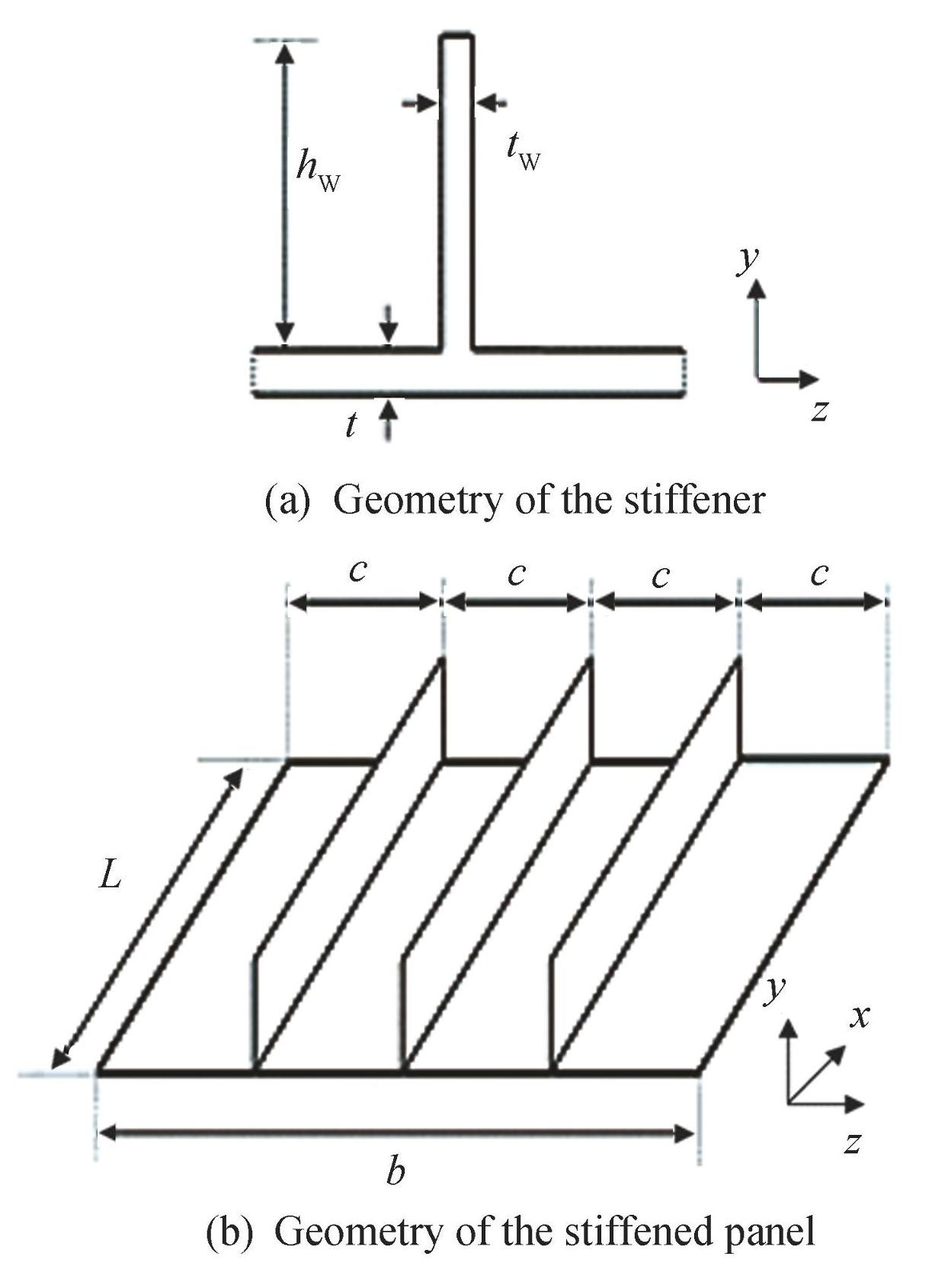
Fig.1The geometry of the studied stiffened panel with 3 stringers
Table1Levels of the parameters studied
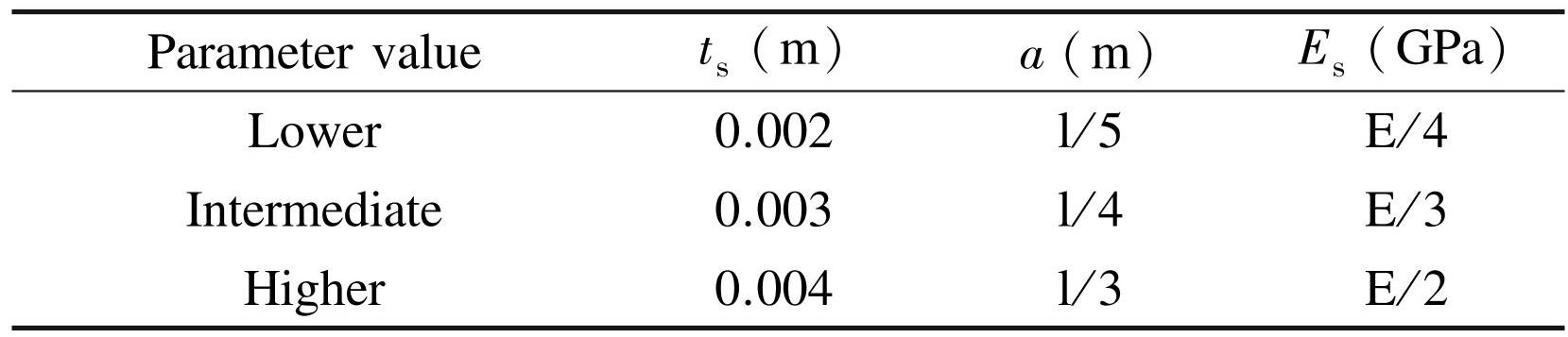
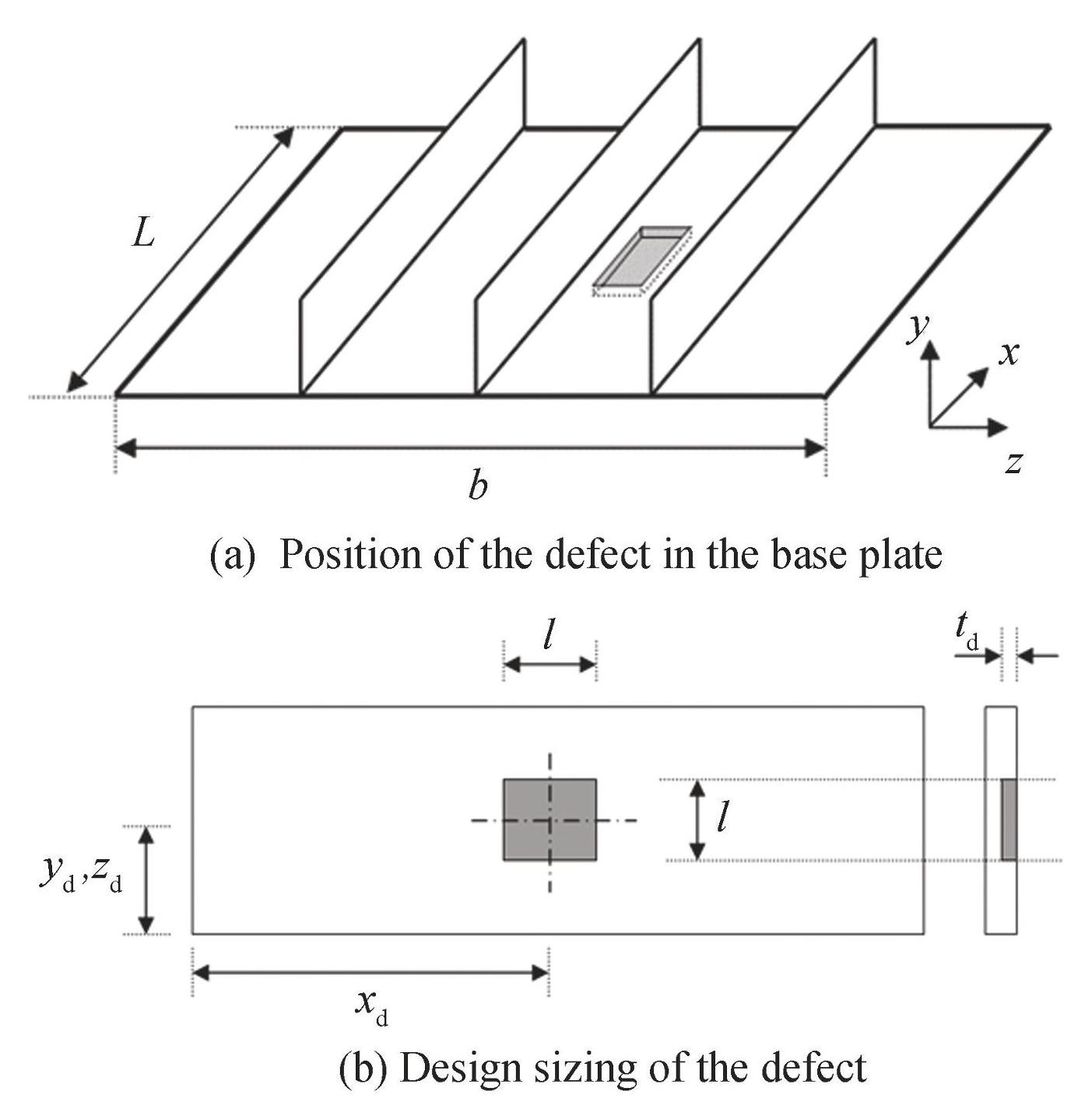
Fig.2The location, depth and extension of the dent located on the skin of the stiffened panel
1.3 Modelling the Material Imperfections for the Panel
Stiffened panels are comprised of two fundamental elements: the base plate and the stiffeners. These components are joined together through the friction stir welding method, which is recognized for its cost-effectiveness due to superior joint performance, low energy consumption, and minimal emissions. Typical geometric imperfections found in stiffened panels are consisted of waviness, distortion, and misalignment.
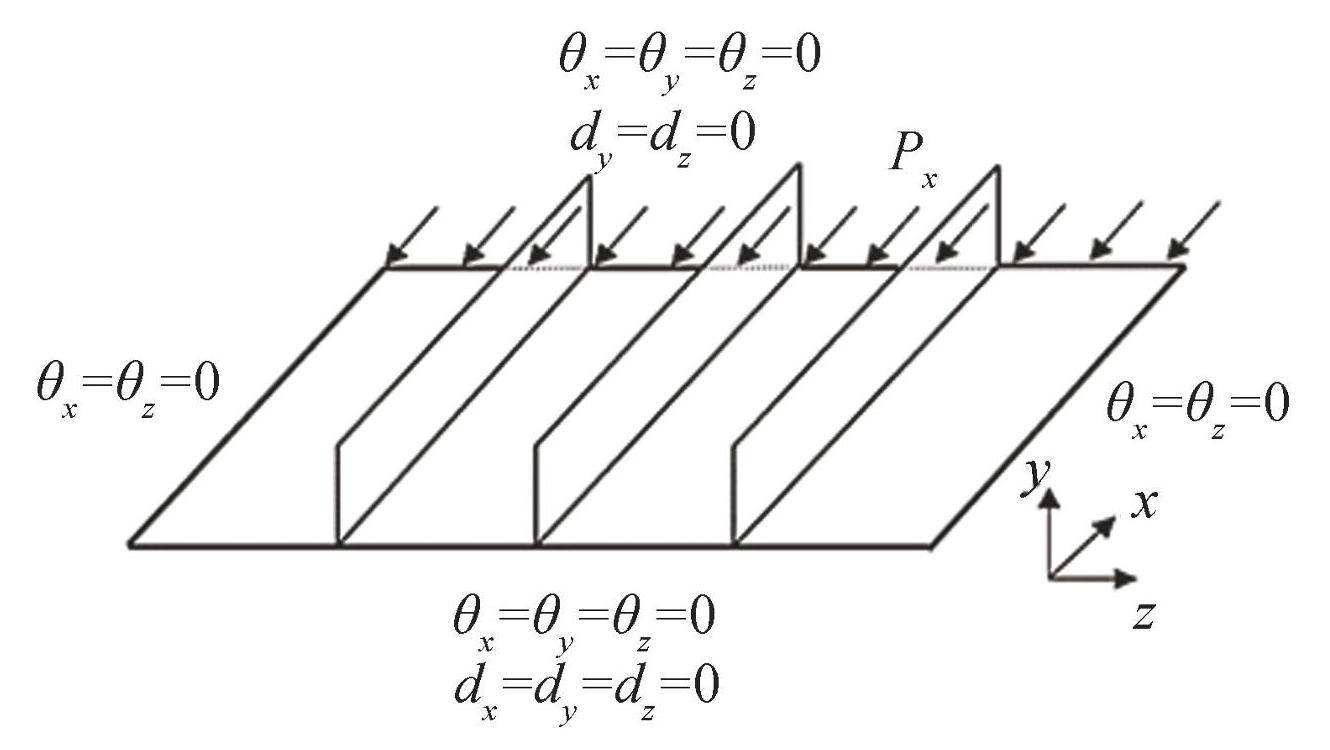
Fig.3Boundary conditions of the considered stiffened panel with 3 stringers
FSW is a method of joining solid-state materials that was created at the UK Welding Institute in 1991. Initially, the UK Welding Institute designed FSW to address issues with fusion welding processes, including cracks, distortion, porosity, and softening, particularly in alloys. Despite its numerous advantages over other welding techniques, FSW does have some limitations on the structure of the welded materials. During the tool's movement, the process creates various microstructural zones, including the Thermomechanical Affected Zone (TMAZ) and the Heat-Affected Zone (HAZ) , which result in reduced material properties.
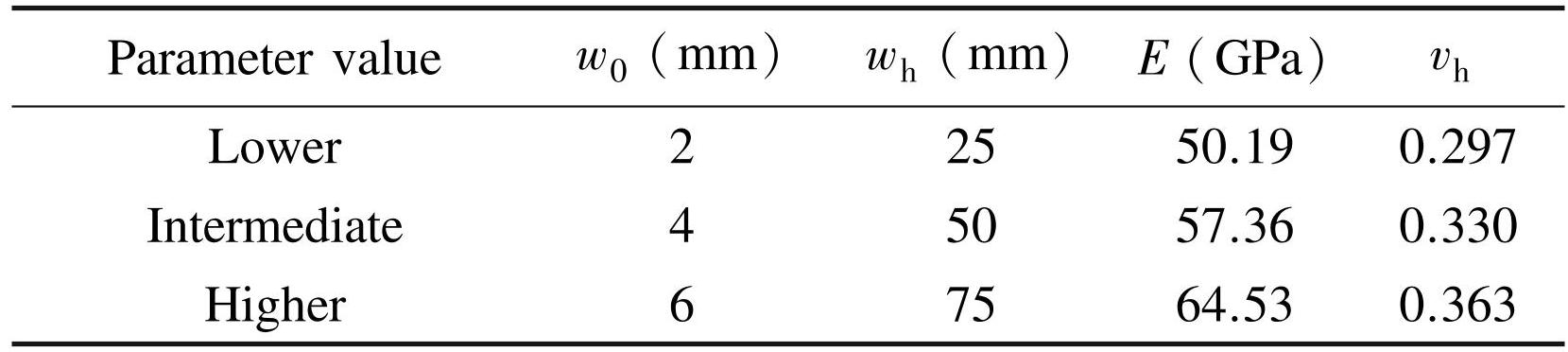
In this study, it is anticipated that the welding process will cause distortion to the skin plate of the stiffened panel. When dealing with geometric flaws in stiffened panels, it is crucial to consider the impact of these imperfections on the structural integrity and overall buckling failure behaviour. This distortion manifests as a consistent curvature in the transverse direction and is symmetrically distributed along the welding line (see Fig.4) . Table2 shows the different parameters used in this study and their levels, the initial geometric imperfection (w0) , the width of the heat affected zone (wh) , the Young modulus (E) and the Poisson coefficient (vh) in this zone. hW denotes the height of the web of the stiffener, tW is the thickness of the web, tf is the thickness of the flange, and bf is the length of the flange.
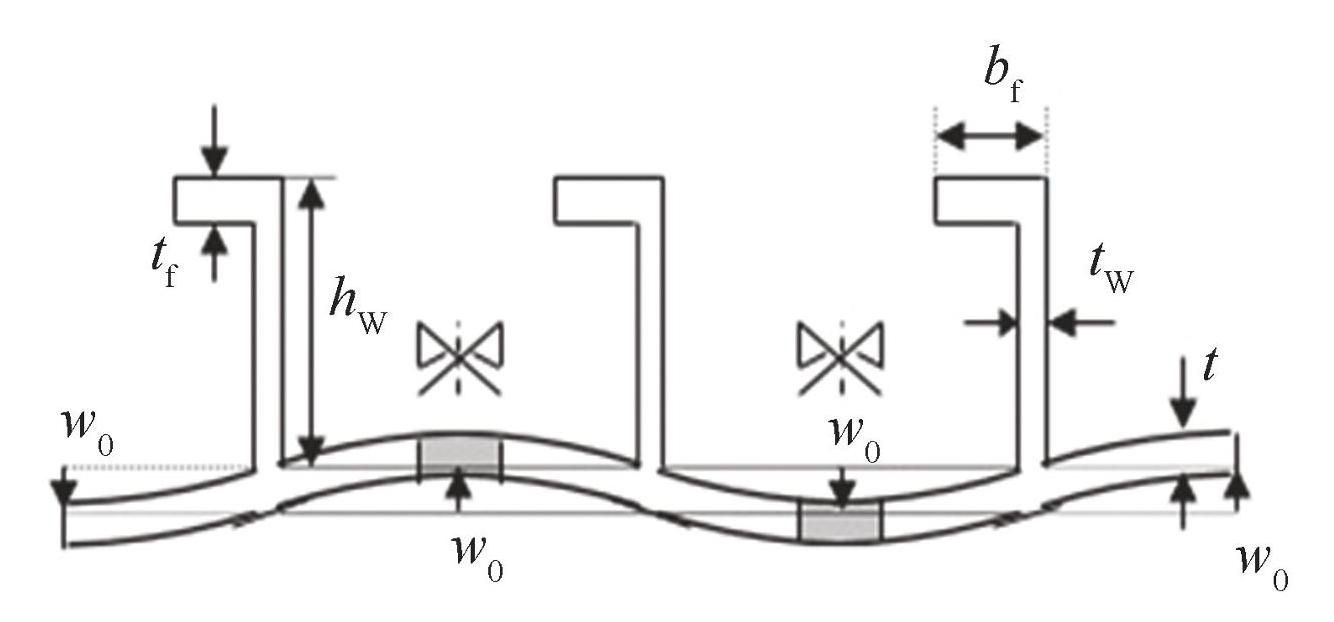
Fig.4The initial geometric distortion of the stiffened panel
Table2Levels of Young's modulus and Poisson coefficient in the safe zone and the HAZ
2 Results and Discussion
Simulations were conducted to evaluate the impact of different factors on the static buckling load. These simulations followed a full factorial design of experiments with 33=27 and 34=81 combinations, based on the levels outlined in Table1 and Table2. Finite element analysis using Abaqus was performed for each combination, incorporating geometric nonlinearities. The number of iterations was regulated by the arc length criterion of Riks method. This approach enables the determination of the buckling load, which is identified as the limit point on the stress-strain curve resulting from the applied axial load and panel shortening.
2.1 Linear Buckling Analysis of the Stiffened Panel
In this case study, an Euler buckling simulation was conducted to determine the eigenvalues and eigenmodes of the problem. The initial analysis was focused on predicting the critical buckling load of the perfect panel. Since the structure is composed of thin plates and columns, it behaves as a single entity. Therefore, the critical buckling load is estimated to be the first eigenvalue P1=1.19321×10⁶ N (see Fig.5) . Table3 also displays the first 10 eigenmodes along with their eigenvalues, extracted from the ODB file in Abaqus CAE.
2.2 Nonlinear Buckling Analysis of Stiffened Panel Considering Initial Geometric and HAZ Parameters Effect
The analysis in this section took into account the initial geometric imperfection caused by the FSW process, as well as the width and reduced mechanical properties of the HAZ. We created a specific Abaqus model for each combination to calculate the critical buckling load of the panel. After that, an analysis of variance was done on the results. Fig.6 shows that the critical buckling load changes depending on the amplitude of the initial distributed geometric defect, the HAZ zone, and how these two factors interact with each other. The amplitude of the initial geometric imperfection in Fig.6 takes the values: w0=2, 4, 6 mm.
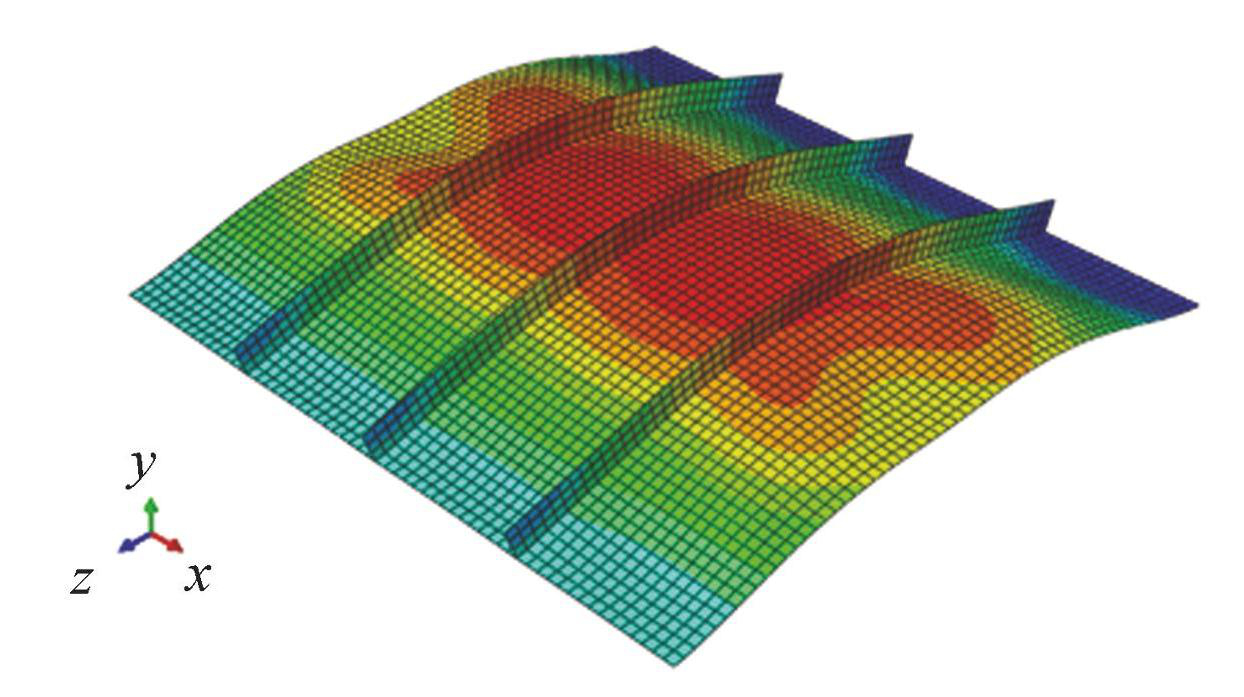
Fig.5The first buckling mode with the first eigenvalue P1=1.1932×10⁶ N
Table3The first 10 eigenvalues
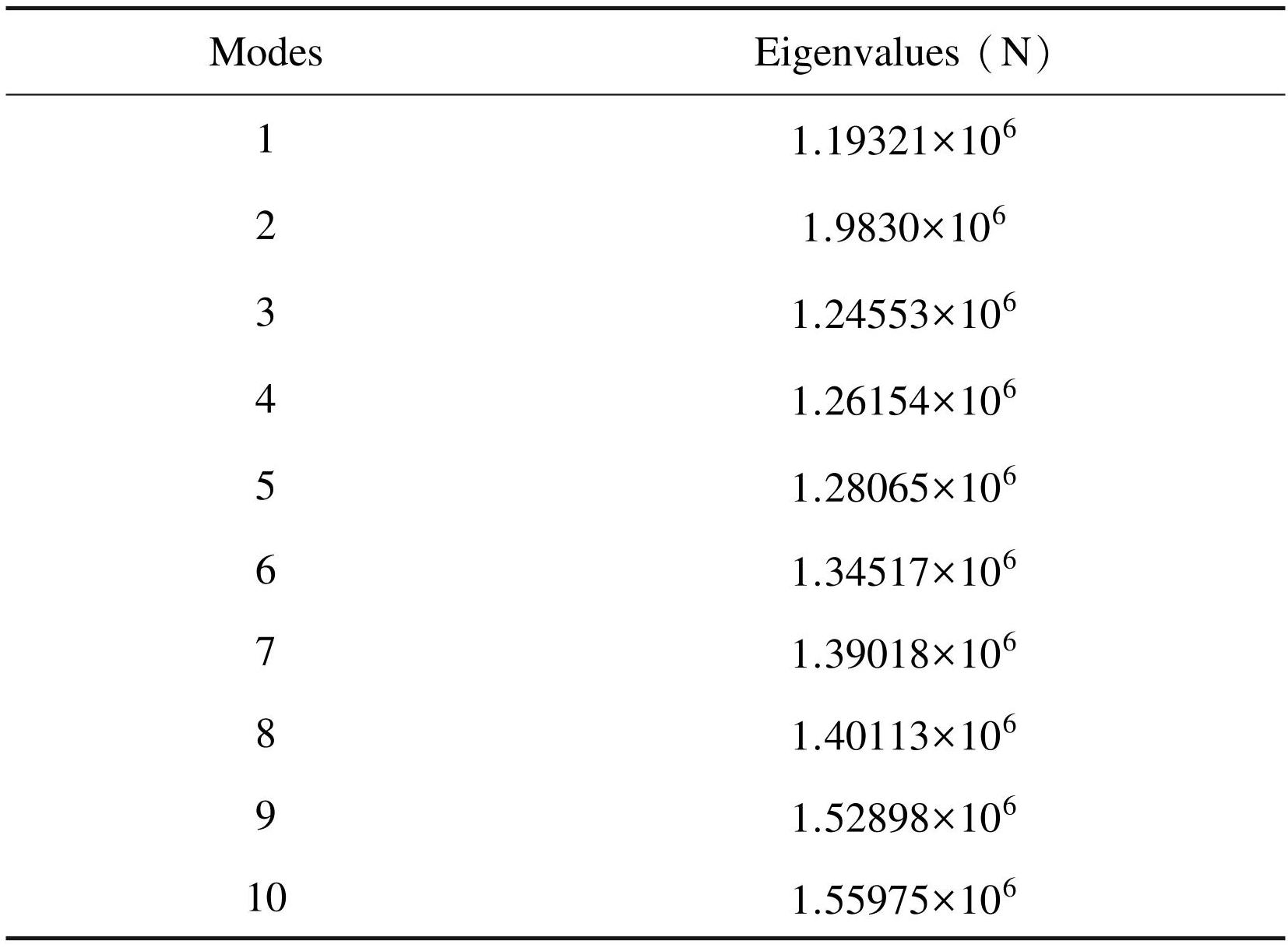
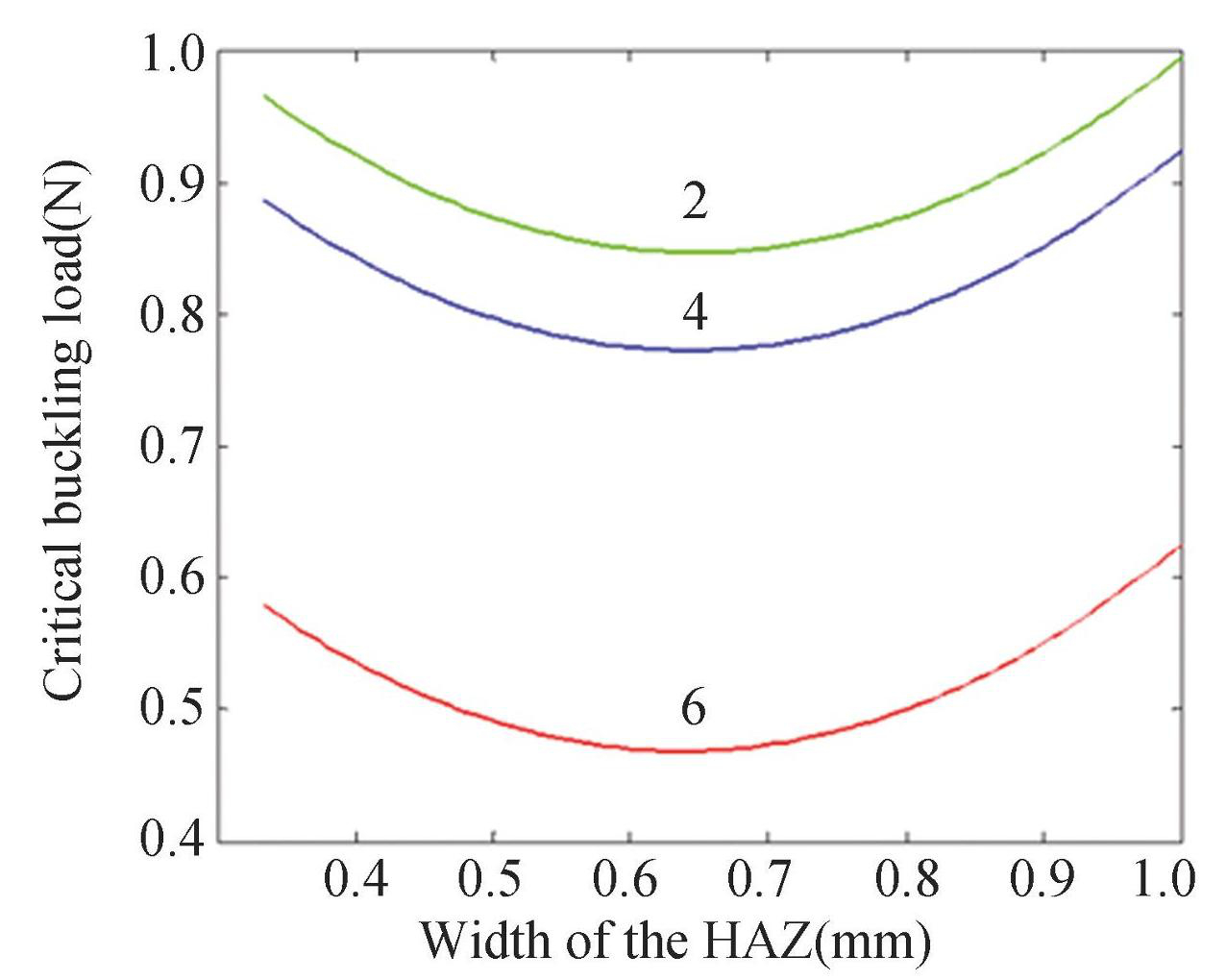
Fig.6Variation of the critical buckling load pcr (N) as a function of the reduced width of the HAZ wh (mm) region
By discarding the Poisson's ratio in the HAZ zone which has only a slight influence on the results, Table4 summarizes the results obtained according to the three remaining factors: wh, Eh and w0.wh, Eh and w0 are respectively the width of the heat affected zone, the Young modulus of the heat affected zone and the size of the initial geometric defect.
Table4Critical buckling load (Pcr) depending on the combination considered
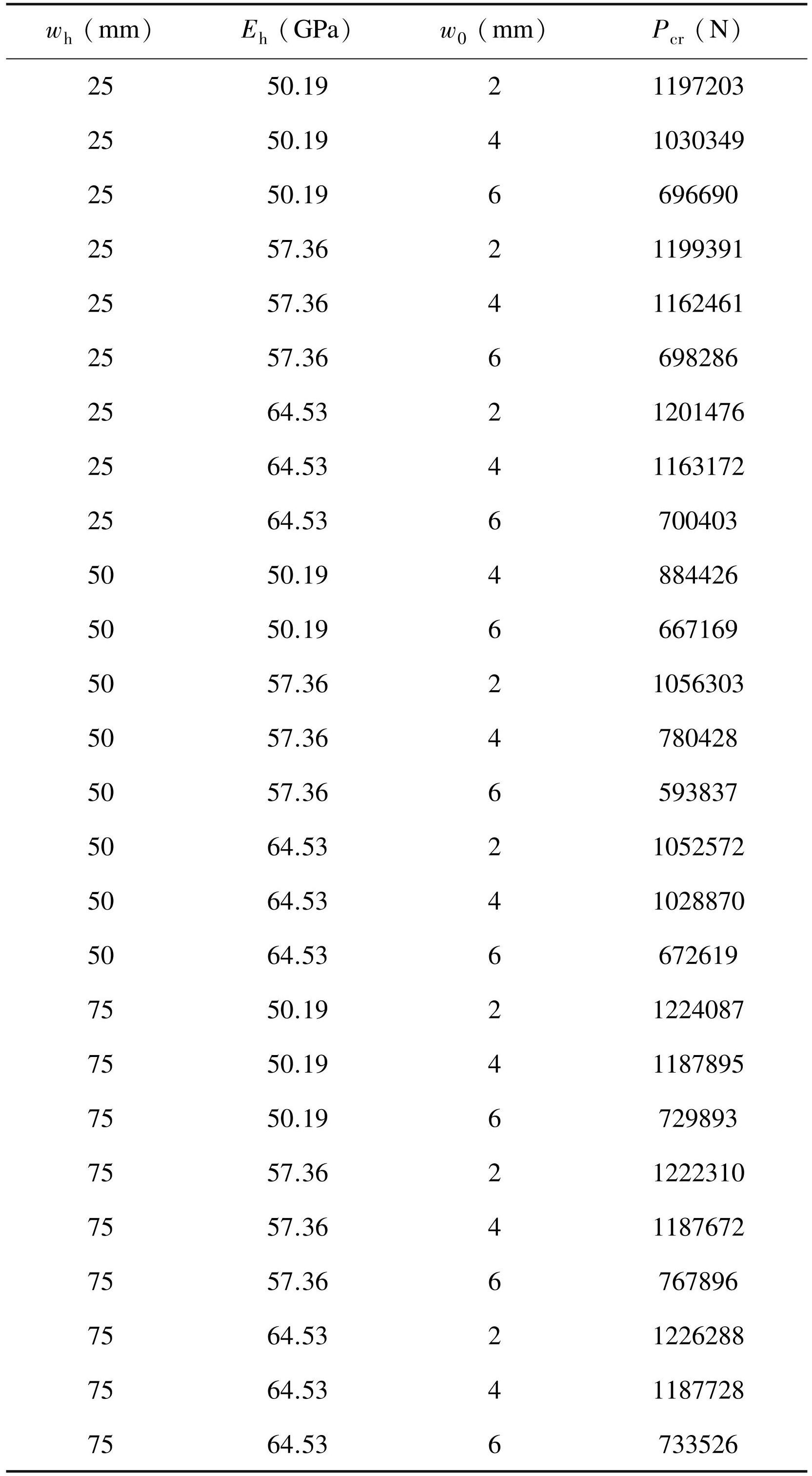
Hence, from the results in Table4, it is possible to construct a polynomial response surface with a coefficient of determination of R2=94.5%. It is given by:
Given =Pcr/1226288, =wh/75, = Eh /67.53, and = w0 / 6.
By determining the magnitude Eh=57.36 GPa, Fig.7 illustrates the progress of the crucial buckling threshold in relation to the diminished width of the HAZ area at various levels of the initial geometric imperfection amplitude. The impact of the HAZ on the critical buckling load is not consistent and shows variations across different widths. It is crucial to avoid welds of intermediate thickness in order to increase the critical buckling stress. For maximum strength, it is recommended to work with either 25 mm or 75 mm thickness. The use of intermediate values can considerably weaken the strength of the stiffened panel and affect its overall performance. Moreover, minimizing the magnitude of the initial geometric defect is necessary to ensure optimal structural integrity and load-bearing capacity[8]. Adhering strictly to these guidelines will result in a more resilient and durable structure that can withstand various operational conditions and potential stresses, thus enhancing overall safety and reliability.
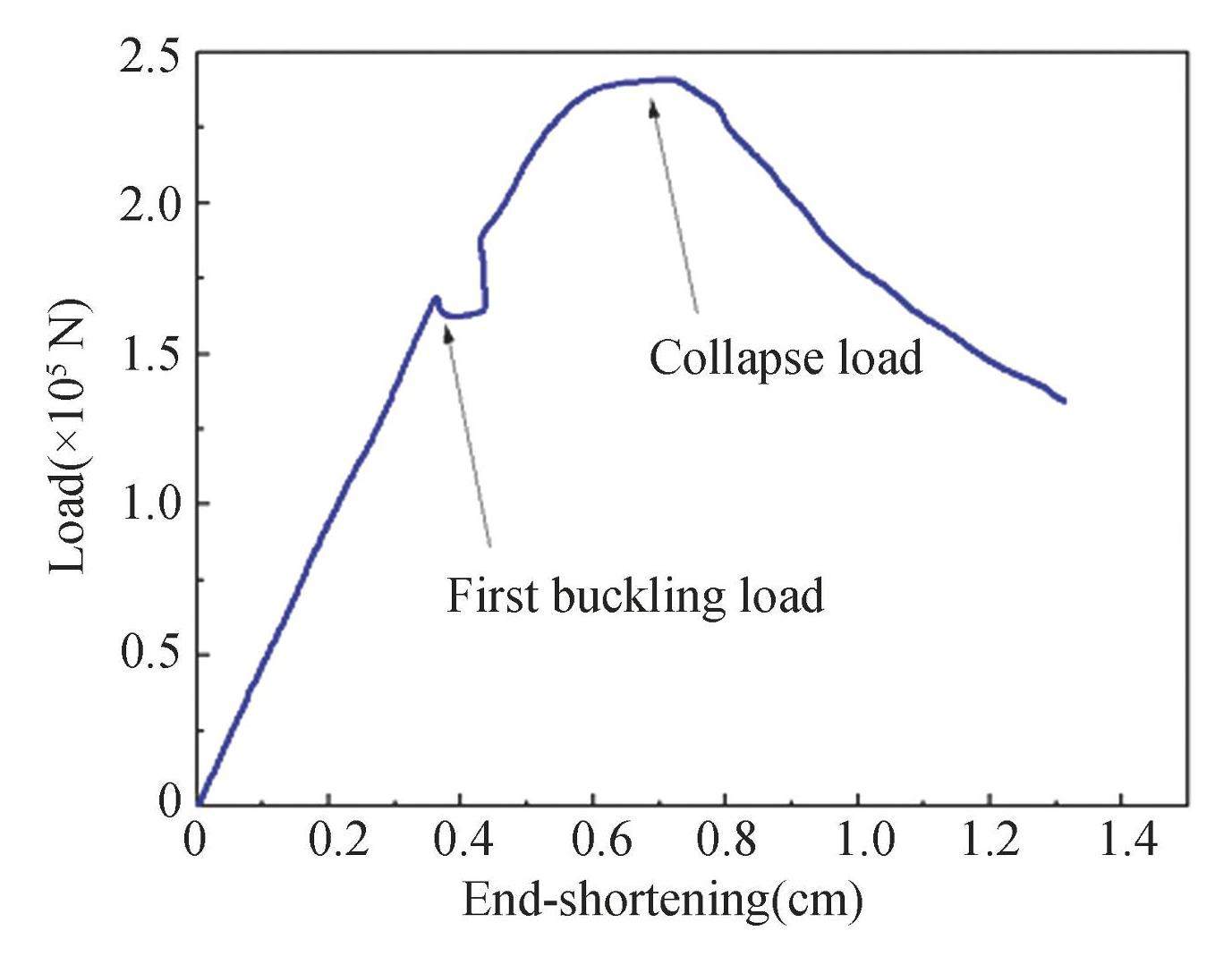
Fig.7Collapse load versus end-shortening
2.3 Nonlinear buckling Analysis of stiffened panel considering the localised defect
A comprehensive nonlinear analysis was carefully performed following a detailed assessment of the existing flaws and the material's slow breakdown in the stiffeners and the intact area. This state-of-the-art analysis utilized the advanced Riks algorithm in Abaqus CAE, ensuring the highest level of accuracy and reliability in the results obtained. The Riks analysis technique utilized in this study is an exceptional and innovative approach specifically designed to observe and analyse the behaviour of the structure after the onset of instability. Additionally, it serves as a valuable tool in accurately predicting the imminent geometrically nonlinear collapse of a structure.
In the conventional approach, an eigenvalue buckling analysis precedes the application of this advanced analysis method. Combining these two essential analyses results in a high level of detailed insights, offering a deep understanding of the collapse mechanism within a structure. Additionally, this integrated approach speeds up the resolution of challenging or snap-through issues that may not show clear signs of instability, ensuring a strong and effective analysis process. The findings reveal the complex details and subtle dynamics of the structure, giving engineers and researchers important information to make informed decisions and take measures to reduce potential risks and improve the overall structural integrity.
In this section, there are a total of 27 combinations resulting from the selection of three levels on parameters: ts, a, and Es as per the full factorial design of the experimental table. We established the mesh size in the FEM (Finite Element Method) simulations at the smallest feasible value for convergence, resulting in 3288 finite elements of the S4R shell type in Abaqus. We determined the collapse load using nonlinear FEM modelling with activated geometric nonlinearities. The step-by-step iterations were controlled using the arc length requirement, as detailed by Riks, and the load as a function of the end-shortening is shown in Fig.8.
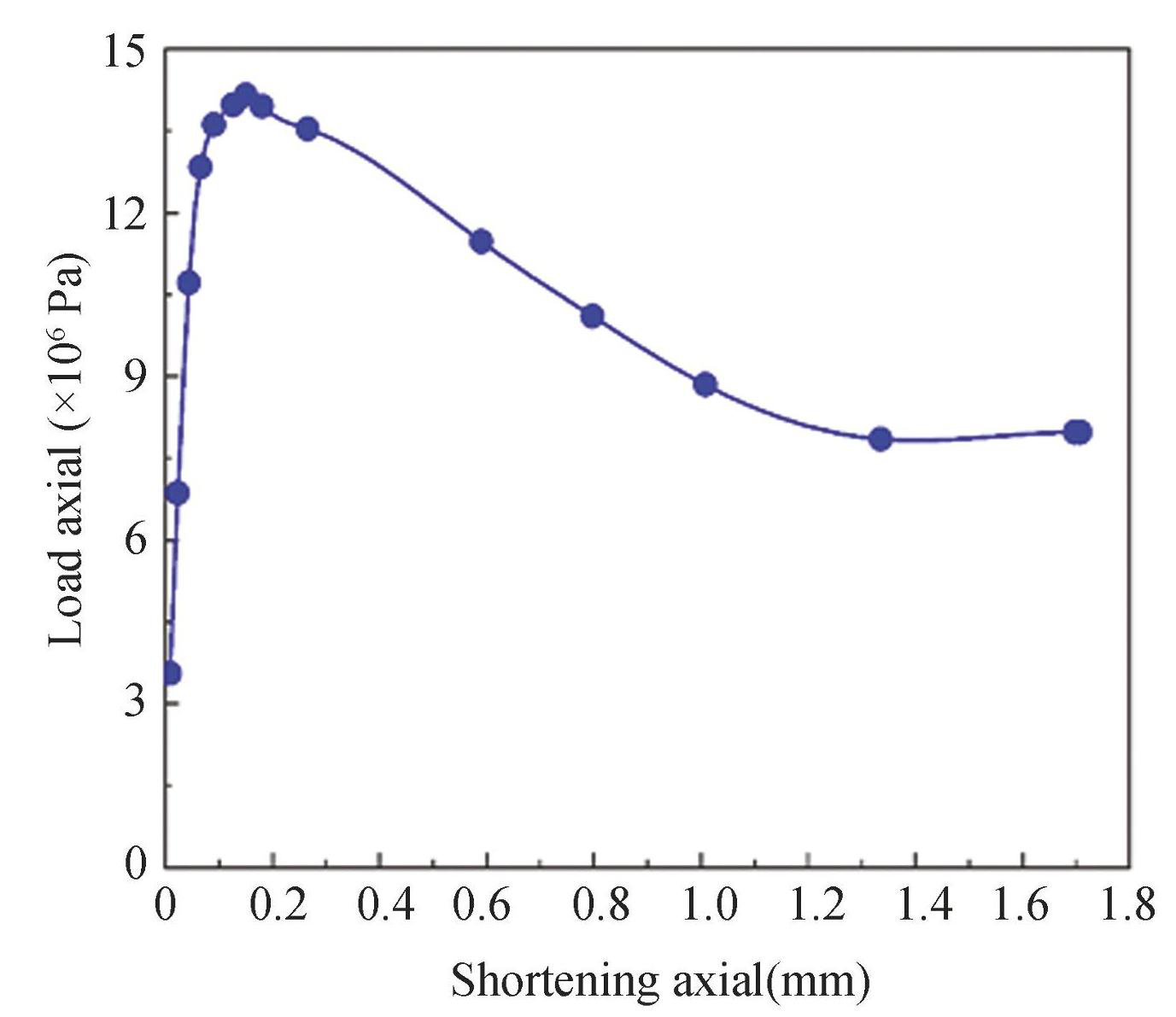
Fig.8Applied load versus end-shortening
In addition, an Analysis of Variance (ANOVA) was conducted in the obtained results using an algorithm in order to example the relative weight of each parameter (see Fig.9) . The analysis of variance test shows that the presence of localized defect has a significant influence on the obtained results.
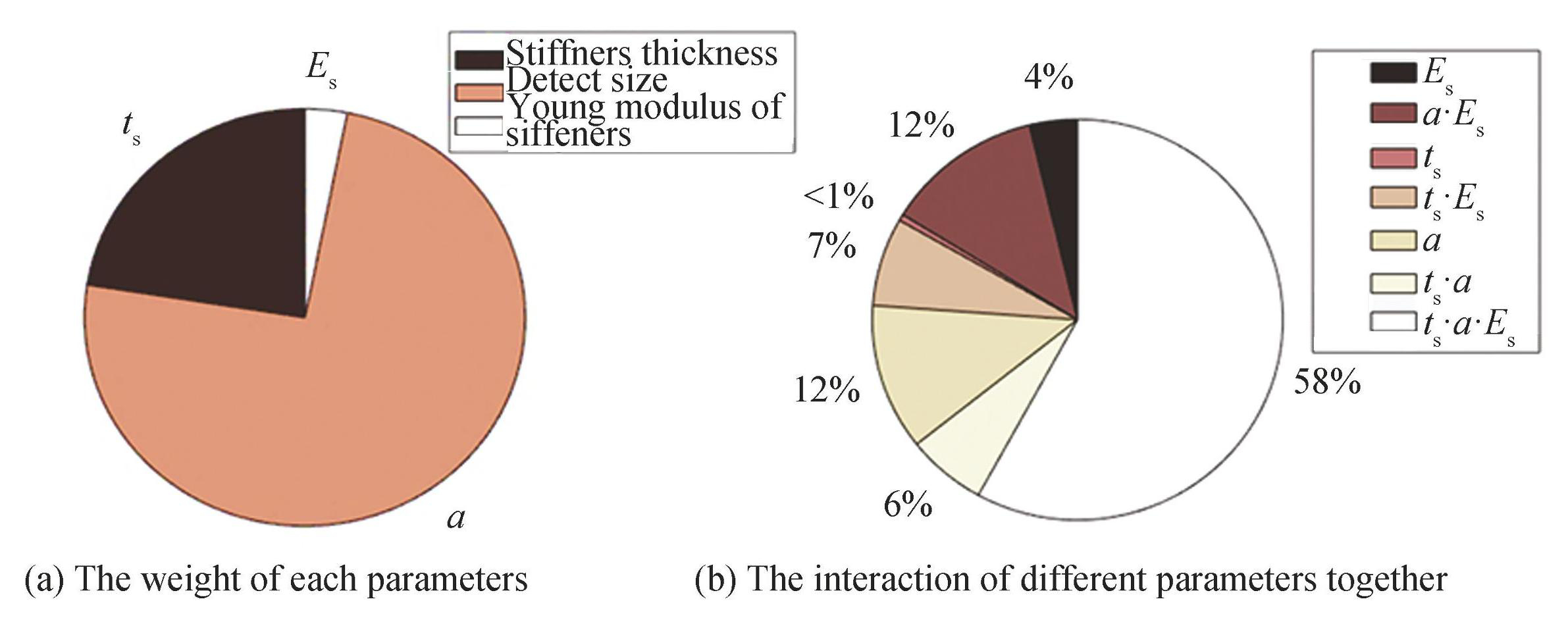
Fig.9Results of the analysis of variance conducted on the obtained buckling strength loads
To validate the findings of this paper, we applied the relative importance analysis to experimental data from previous study[20]. Relative importance analysis is a statistical method used to ascertain the significance of predictor variables within a regression model. This entails evaluating the prediction efficacy of the complete model against a succession of reduced models.
The decrease in predicted accuracy with the exclusion of a certain variable from the model helps quantify that variable's relative significance whithin the model. It can quantify the contribution of shape features in predictive models, which is a crucial concept in shape analysis, enabling researchers to identify and prioritize the most significant parametric features in their datasets.
Fig.10 aligns well with the findings of our analysis, it shows that the initial geometric imperfection has a major effect on the stability of the stiffened panel. vh and v are the Poisson's coefficient in the heat affected zone and the safe zone.Hence, it is recommended to reduce this defect while designing these structures.
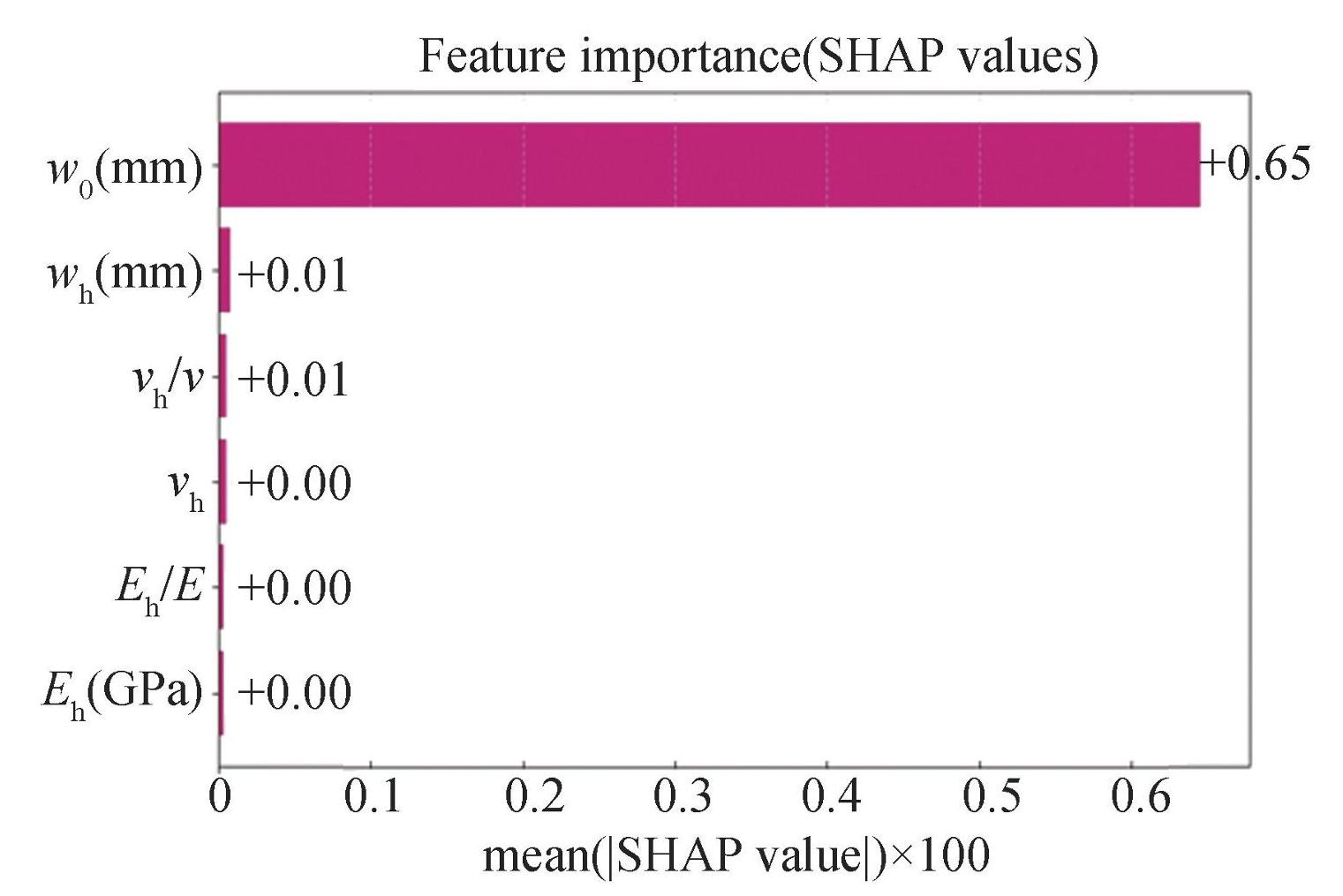
Fig.10Results of the relative importance analysis method in terms of shape value
3 Conclusions
In conclusion, our study shows that both material defects—especially those from FSW—and geometric imperfections play a significant role in lowering the critical buckling load of stiffened panels. We found that as the size of initial imperfections and the width of the HAZ increase, the buckling resistance of the panels drops noticeably. On the brighter side, by carefully adjusting the stiffener properties and refining the welding process, it is possible to boost the overall stability of the structure. In practical terms, this means that by standardizing welding procedures to achieve an “ideal” weld zone width, manufacturers can produce panels with improved HAZ characteristics that are more resistant to buckling. Additionally, the clear relationship we established between defect size and buckling load offers designers a useful guideline for evaluating and enhancing panel performance.
Future work can build upon these findings by conducting experimental validation under dynamic loading conditions, enabling a deeper understanding of how panels respond to sudden or cyclic stresses. Exploring how changes in stiffener thickness and different material properties perform under real-world conditions would also help fine-tune our design guidelines. By studying more complex loading scenarios and dynamic effects, we can develop a more robust and reliable framework for stiffened panel designs, ultimately leading to safer and more efficient structures in aerospace, marine, and other critical applications.
