Abstract
Functionally Graded Materials (FGMs) are innovative advanced quality materials in the field of composites concerning their strength, mechanical, and thermal properties. Nowadays, the modern requirement of the industry in the fields of health care, aerospace, and power sectors needs the rapid evolution of new components, which allows researchers to invent new materials to satisfy the functional requirements of modern technology. Tissue engineering is one of the most concerned areas of the application of FGM in the healthcare sector, where the tailored properties of FGM play a significant role in building and growing an artificial structure that heals the damaged tissue of the body parts and meets the desired application that the part needs to perform. This paper highlights the suitability of the combination of a nano-structure enhanced epoxy functionally graded material, its properties, and applicability in the design of a prosthetic foot where it provides the mobility and comfort of the body part like natural tissue. The analytical study is done by designing an ANSYS model and simulating the results of equivalent stress and directional deformation. The Finite Element (FE) approach is used to optimize the output results of stress-strain analysis, different weight percentages of nano-filler are taken for performance enhancement. A comparative analysis is done with the previously established results taking carbon fiber-reinforced composites that offer a successful validation of the present results obtained. Furthermore, this study also provides a clear understanding of the justification of the composition considered for the effective application in the field of prosthetics field.
0 Introduction
The prosthetic foot serves as the major component of the lower limb providing the basic interfacial region between the limb and the ground. Based on various parameters like the weight of the human being, and ground reaction on the foot, several designs have been developed to model the prosthetic feet[1-2]. A clear understanding of various prosthetic foot technologies with their advantages and disadvantages has been studied by researchers. Among those, one basic foot manufacturing is based on the principle of Resin Transfer Molding (RTM) where the materials chosen for such manufacturing are wet epoxy carbon woven with resin epoxy as the built-in materials[3].
Many researchers have proposed different processes for the optimal design of a prosthetic foot. Recent advances in the design of prosthetics involve the use of composites where the appropriate design parameters are required to be set using methods, such as metaheuristic algorithm, and at the end of the design process, the simulation is performed using ANSYS for the different deformation analysis[4]. Hence, the design parameters are used for Finite Element Analysis (FEA) , and a comparative static analysis can be done between FEA results and experimental results. Researchers also manufactured non-articulated prosthetic feet using composite materials such as High-Density Polyethylene (HDPE) and Date Palm Wood (DPW) [5]. The main objective of the experimental studies is to manufacture the foot, optimize the dorsiflexion angle to limit the bending capacity to an acceptable range, and ensure a longer fatigue life. Focusing on the biomechanical properties in prosthetic feet analysis, such as durability, stability, shock absorption improvement, fatigue enhancement, etc, the recently recommended one is SACH (Solid Ankle Cushion Heel) foot[6]. Three types of SACH prosthetic feet have been studied and analyzed:two types are for active users with total energy return, and one type is based on partial energy return. Nowadays, prosthetics are designed to offer controlled mobility by utilizing the energy storing and releasing capacity.
FEA is being used in many developmental fields of advanced material to study the elastic stability, bending, and vibration response of Functionally Graded (FG) structures of porous plate[7], sandwich plate[8], porous beams[9], etc. Researchers also have done FEA on graphene nano-platelets-reinforced FG structures, such as beams and panels[10-11], etc., for better analysis of the dynamic responses[12-14].
In addition to the recent research, besides designing and analyzing the foot with different geometrical modifications, one important task is to determine the material properties with advanced dynamic abilities. Various composite materials have been used in the manufacturing of the foot with good extracted results. The current analysis focuses on designing and analyzing a foot using FGM with epoxy as the matrix polymer. Compared with the uniform dispersed material in many kinds of research, it was found that the mechanical properties such as wear, stiffness, strength, and energy absorption capacities, are superior in graded structure[15-16]. The reinforcement is chosen as the GPL focusing on its properties of good mechanical strength and structural integrity[17-18]. Hence, many applications require the use of FGMs that mechanically outperform the conventional composites with homogenous composition.
1 Material Property Selection
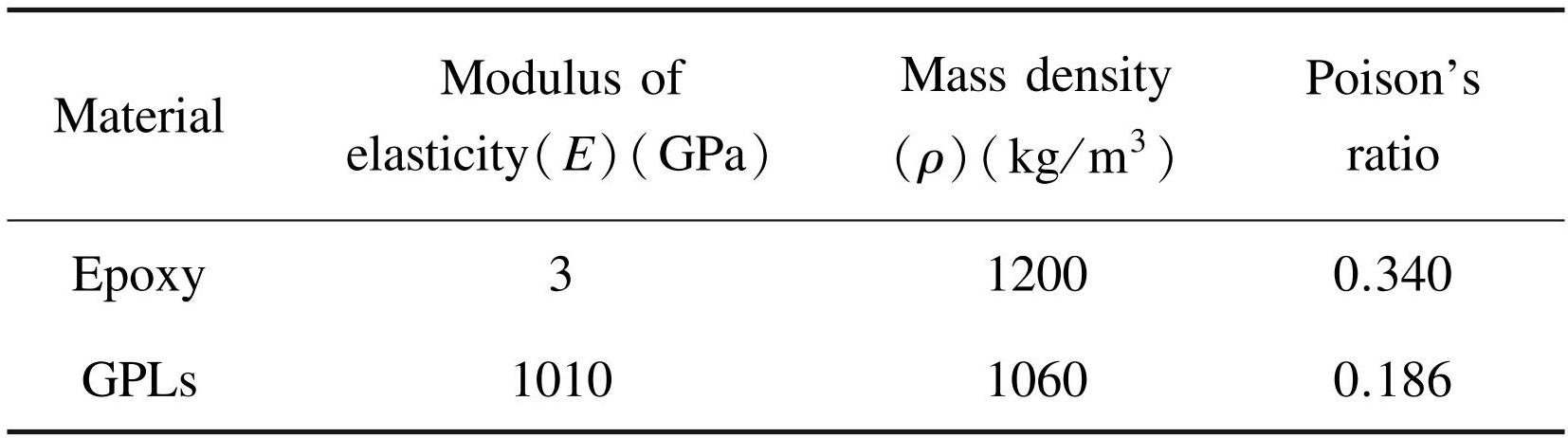
The polymer matrix is chosen as the epoxy resin with low viscosity to proceed with the material selection. GPL is used as the filler material in the matrix to analyze the FG structure. Varying the filler weight percentage, the material properties are selected based on the considered graded pattern and utilized as input parameters in the simulation. The individual material properties of the matrix and filler are shown in Table1.
Table1The material properties
1.1 Material Gradation
To model the FG structure made by the nano filling of Graphene Nano-Platelets (GPLs) in the epoxy matrix where the reinforcement is dispersed non-uniformly in the transverse direction (z-direction) . The gradation pattern of GPL, which varies from a minimum at the surface to the maximum at the center as a function of its volume fraction[19], can be expressed as Eq. (1) ,
(1)
where z is thicknss direction of geometry, h denotes the total thickness of the model, VGPL represents the volume fraction of GPL, and V*GPL describes the total volume fraction of GPLs and can be determined by the formula of Eq. (2) ,
(2)
where WGPL denotes the GPL nano filler weight percentage, which is considered for three different values to more efficiently analyze each desired mechanical behavior. ρGPL is the density of GPL, and ρm is the density of the matrix.
1.2 Properties Determination
For implementing the FG material properties in the ANSYS software simulation, the effective material properties for three different weight fractions of 1.0 wt.%, 1.5 wt.%, and 2.0 wt.% have been evaluated based on the rule of mixture using mathematical formulation.
(3a)
(3b)
(3c)
where E (z) , v (z) , ρ (z) denote the effective Young's modulus, poison ratio, and density. The subscript GPL and m are for nano-filler and polymer matrix respectively.EGPL and Em are Yong's modulus of rigidity of GPL and epoxy, respectively, VGPL and Vm are Poison's ratio of GPL and epoxy, respectively.
2 Design Methodology
For the initial design, all the details about the person for whom the design of the prosthetics is going to be done are gathered, and the design parameters are determined to model the desired foot in ANSYS 2020 R1 software.
2.1 Material Selection
To initiate the design, the material properties must first be identified. All the property values are obtained by using the rule of mixture that is selected for the better suitable property of the foot. All the respective material properties of each weight fraction of reinforcements, such as density, Young's modulus, and poison's ratio, are obtained as per the previously mentioned property relations (as shown in Table2) . These properties are used as the input parameters in the material selection steps.
2.2 Geometry of the Foot
The foot is designed according to the geometrical parameters proposed by Al-Zubaidi and Al-Shammari[20], which has been considered as ideal geometry for the design of the foot after several modifications, e.g., the thickness of the back arch of the foot was increased and subsequently the length was reduced, and the width was increased to the shape of final geometry. Fig.1 shows the isometric and side views of the proposed model.
Table2The mechanical properties
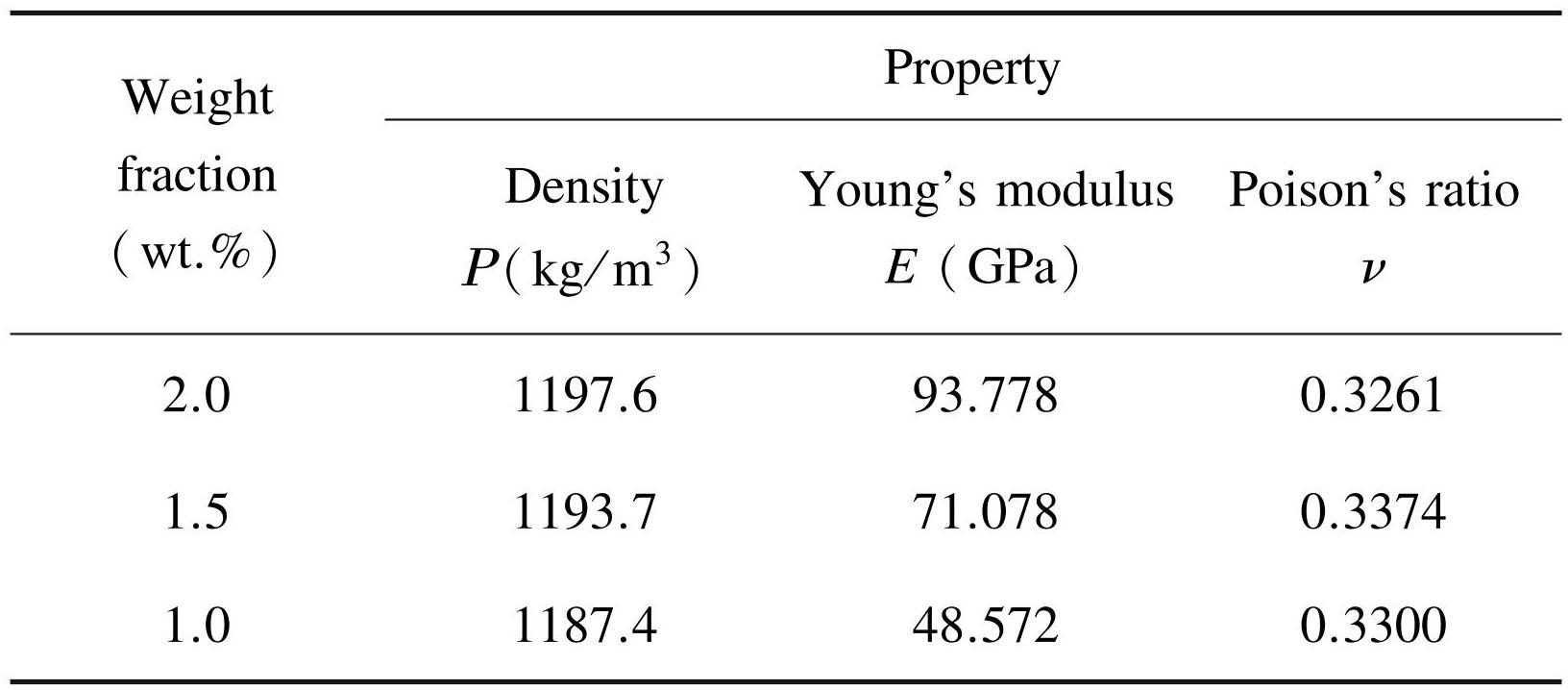
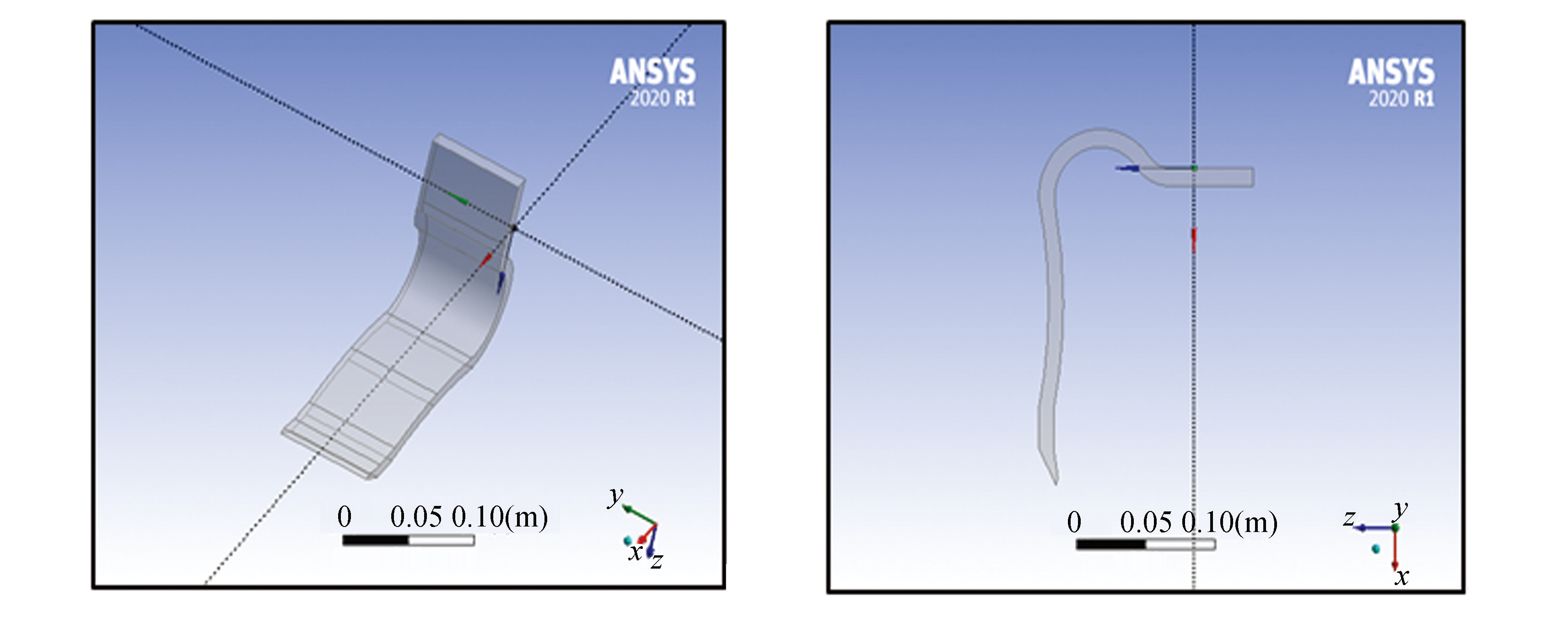
Fig.1Geometry of the foot in ANSYS
2.3 Modelling
In modelling, first of all, the predetermined material properties are assigned to the considered geometry and then going for the next step, i.e. meshing. Meshing is completed by selecting the shape of the mesh element as a hexahedron with subsequent variations of the mesh size.
To perform the independent grid resolution test, the variations of several mesh finally were taken, the fine meshing of the best-selected mesh size is shown in Fig.2, where it has been noted that the results are constant and independent. Hence, the convergence test is completed to get the accuracy in the results, especially in the area of higher induced critical stress during normal functioning of the foot, aiming to reach a point of steady state or mesh independent state.
2.4 Boundary Conditions
The foot is designed to be fixed at the top and free at the bottom part, as shown in Fig.3.These boundary conditions of the prosthetic foot are selected to allow the wearer to shift their weight comfortably from the heel to the toe portion naturally.
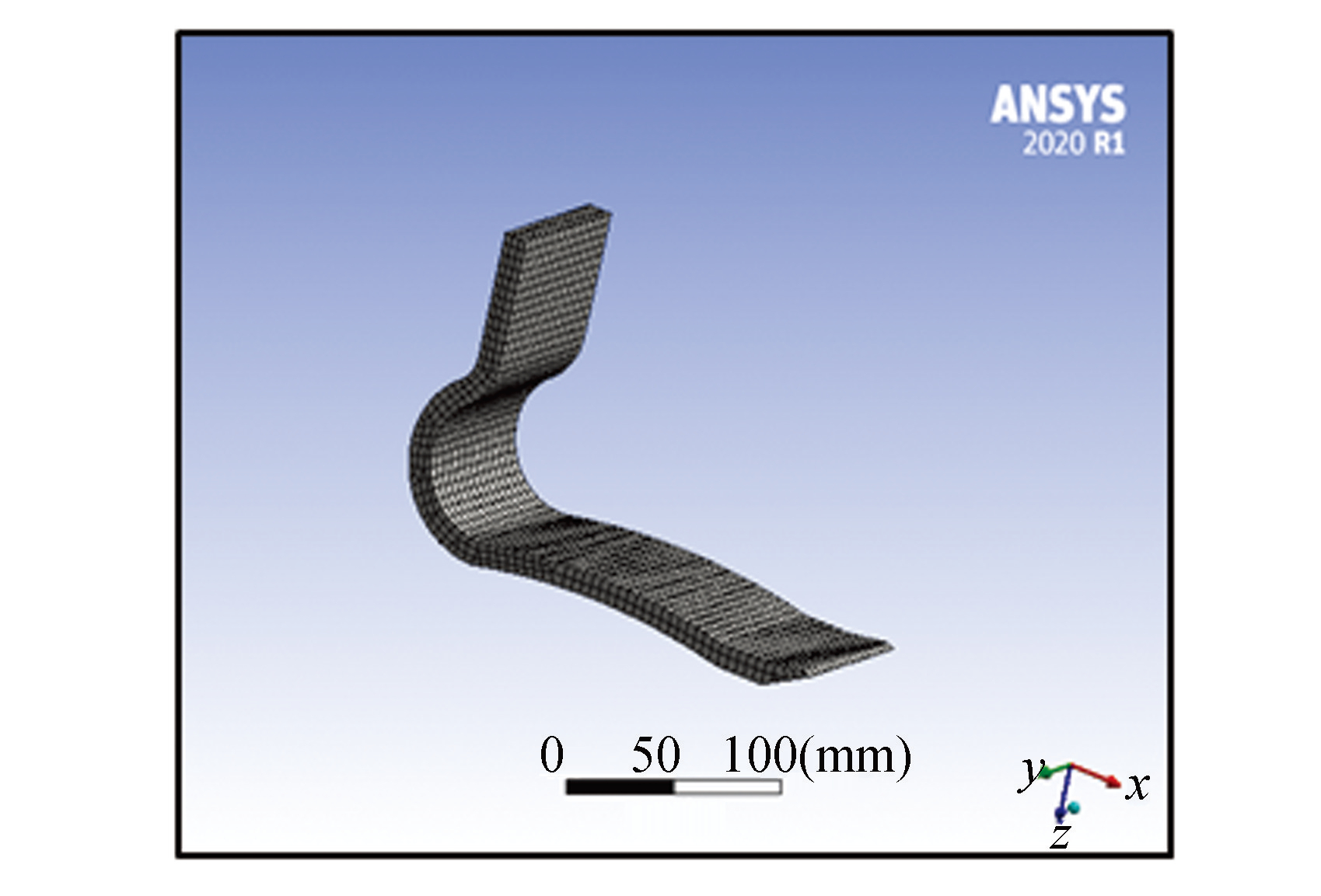
Fig.2Mesh geometry of the foot
2.5 Loading Conditions
The entire modeling and structural analysis of the proposed prosthetic foot are done prominently for a person's walking needs and accordingly, the loading condition is taken based on the mid-stance phase while the person is walking. To represent the ground reaction forces on the foot, the forces acting on the foot are determined where the body mass is also assumed as the weight of a common adult of 80 kg i.e.784.8 N [20].
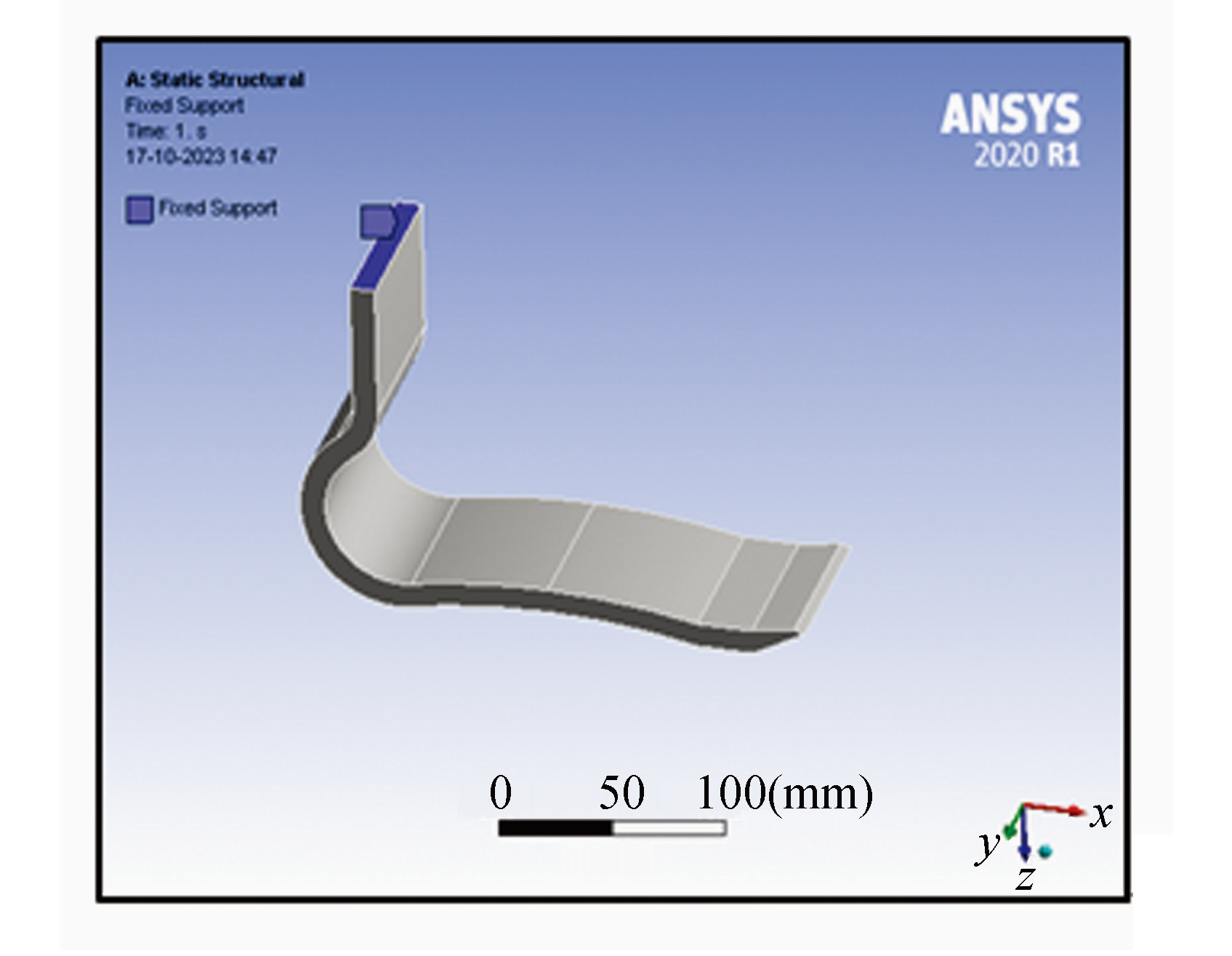
Fig.3Foot with fixed support
2.5.1 Gait cycle
The gait cycle is the sequence of the limb movements in the dynamic condition, i.e. during walking or running. It mainly involves two phases which are the stance phase and the swing phase.
(a) Stance phase: During this phase, the foot is in contact with the ground and supports the body weight. It consists of three different time periods covering four different events of limb position, starting from initial contact, followed by toe-off, heel-rise, to initial contact of the opposite limb.
i. Loading response: It is the period between the events of initial contacts at 0% to the opposite toe-off at 10%.
ii. Mid-stance phase: It is the period up to the event of heel rise at 30 % of the gait cycle.
iii. Terminal phase: It is the period of heel rise to opposite limb initial contact at 50% of the gait cycle.
(b) Swing phase: There is no contribution of GRFs on the lower limbs as the foot is not in contact with the ground, this is the phase of limb advancements.
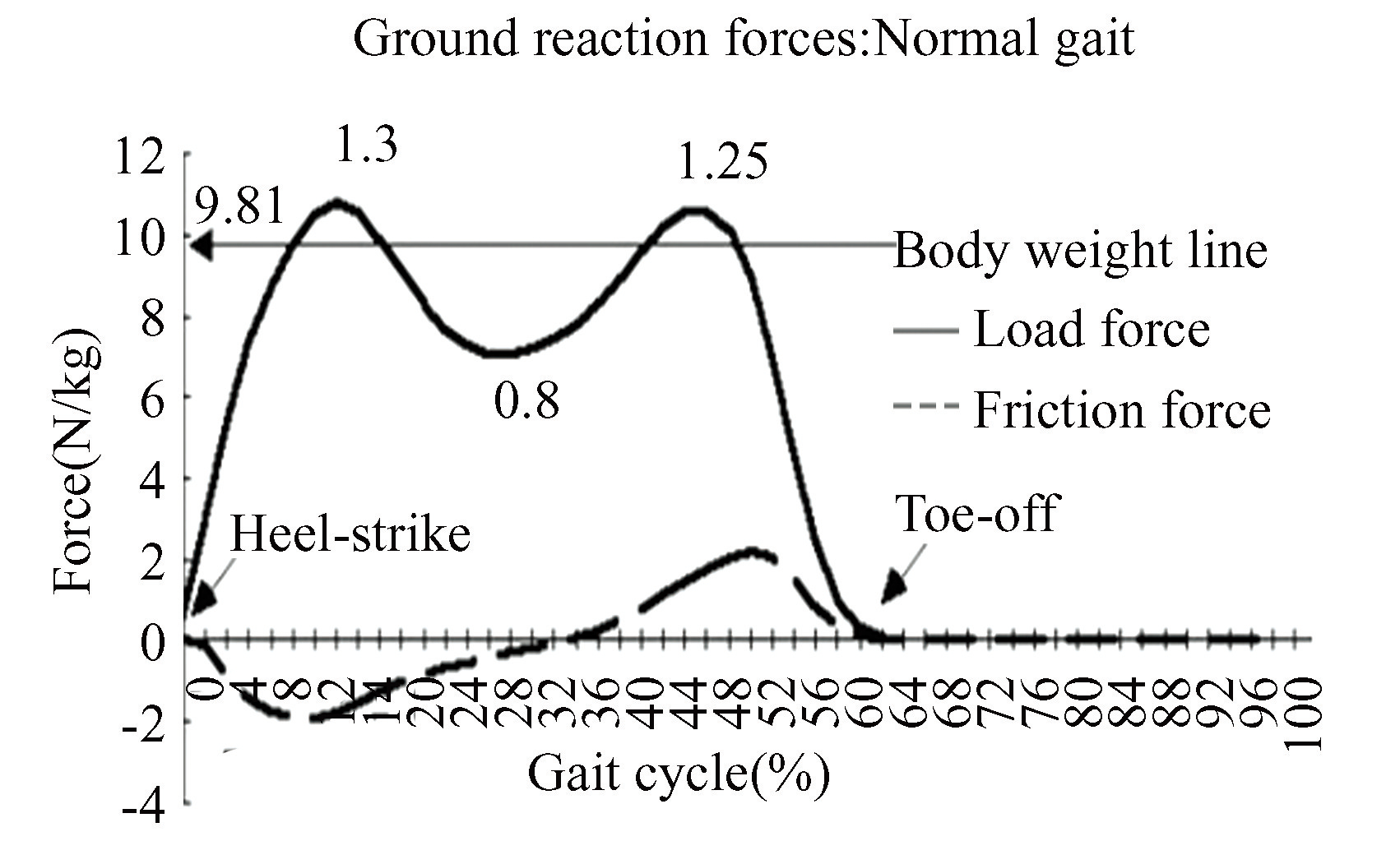
The identification of gait cycle phases plays a vital role in controlling the dynamic equilibrium of a pedestrian by measuring and analyzing the force systems acting on the lower limbs, which can be stated as the Ground Reaction Forces (GRFs) .Subject must equilibrate the forces consisting of the body weight components. Simultaneously, the three components of GRFs are developed which are vertical forces, anterior-posterior shear, and medial-lateral shear. Among all these components, vertical forces have extreme peaks with 120% of body weight at 10% of the gait cycle, and 80% of body weight at 55% of the gait cycle. The shear components have negligible contribution to the gait cycle, i.e. about 20 % of body weight in case of anterior-posterior shear and ±5% of body weight in case of lateral shear.
2.5.2 Monitoring of gait cycle events
The GRF diagram enables the identification and analysis of forces acting on the foot at various moments during its dynamic cycle, taking into account the angle of inclination measured from the ground surface, either at the toe-off or heel-rise moment.The major component of the GRF, i.e. the vertical force, has two peaks where the force is 120% of the body weight which shows its peaks at two instances. One instance is towards the end of 10% gait cycle completion and another one is the50% of the gait cycle completion. All these instances incorporated during the gait cycle are shown in Fig.4. It also shows a minimum value, i.e., 80% of body weight in the middle towards the completion of the30% gait cycle, which is known as the mid-stance phase.
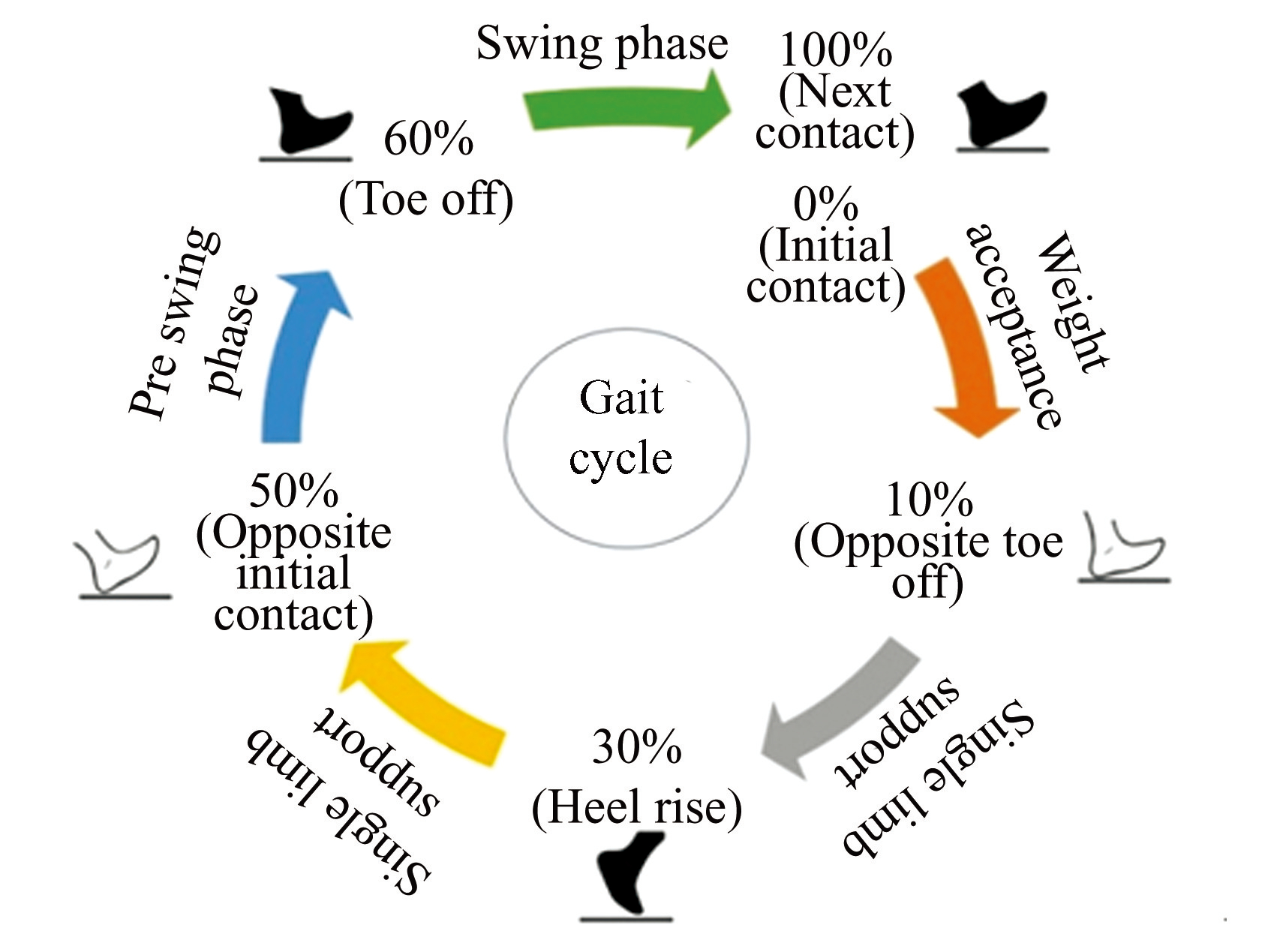
Fig.4The Gait cycle phases
The GRF vertical components, as a function of gait cycle percentage, are clearly illustrated in Fig.5. From Fig.5, it can be seen that the force at the heel region represents 1.3 times of the body weight, and the force at the tips of the toes represents 1.25 times of the body weight, the force at the midstance position is 0.8 times of the body weight. In the biomechanical analysis, a normal foot is considered that an ideal walking condition that a person takes the instance into consideration, where the heel portion force is inclined at an angle of +20° from the vertical axis, and the toe portion force is inclined at an angle of-15° from the vertical axis, as shown in Fig.6.
The forces of F1 and F2 are applied to the designed foot based on the corresponding angle of inclination to be plotted in ANSYS software, as shown in Fig.7. Taking into consideration the angle of inclination, the force components are:
2.6 Solution Procedures
The solution section presents the stress and deformation pattern across the different components of the prosthetic foot, which are chosen to evaluate the result. After the completion of the above solution procedures, the solver output gives the results that are selected for, i.e.
1) Maximum directional deformation,
2) Maximum equivalent stress.
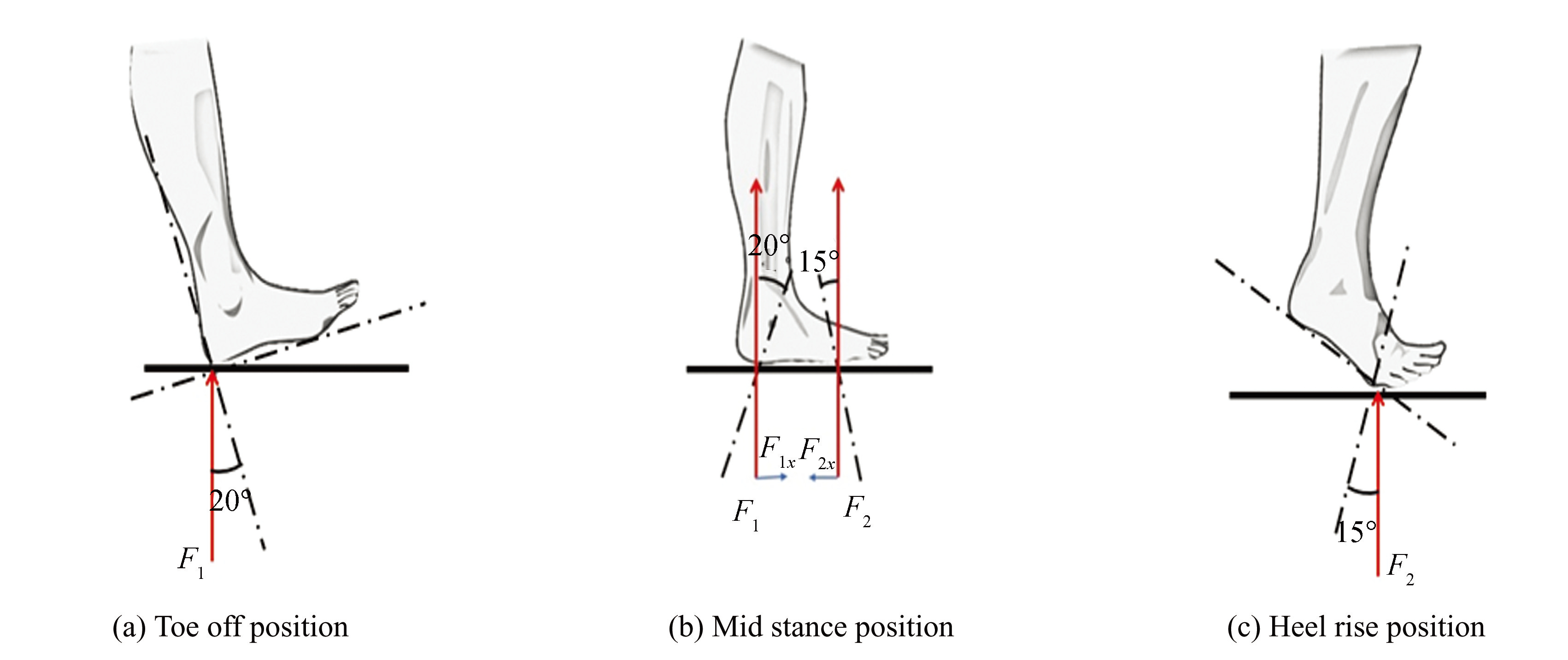
Fig.6Position of a pedestrian in dynamic condition
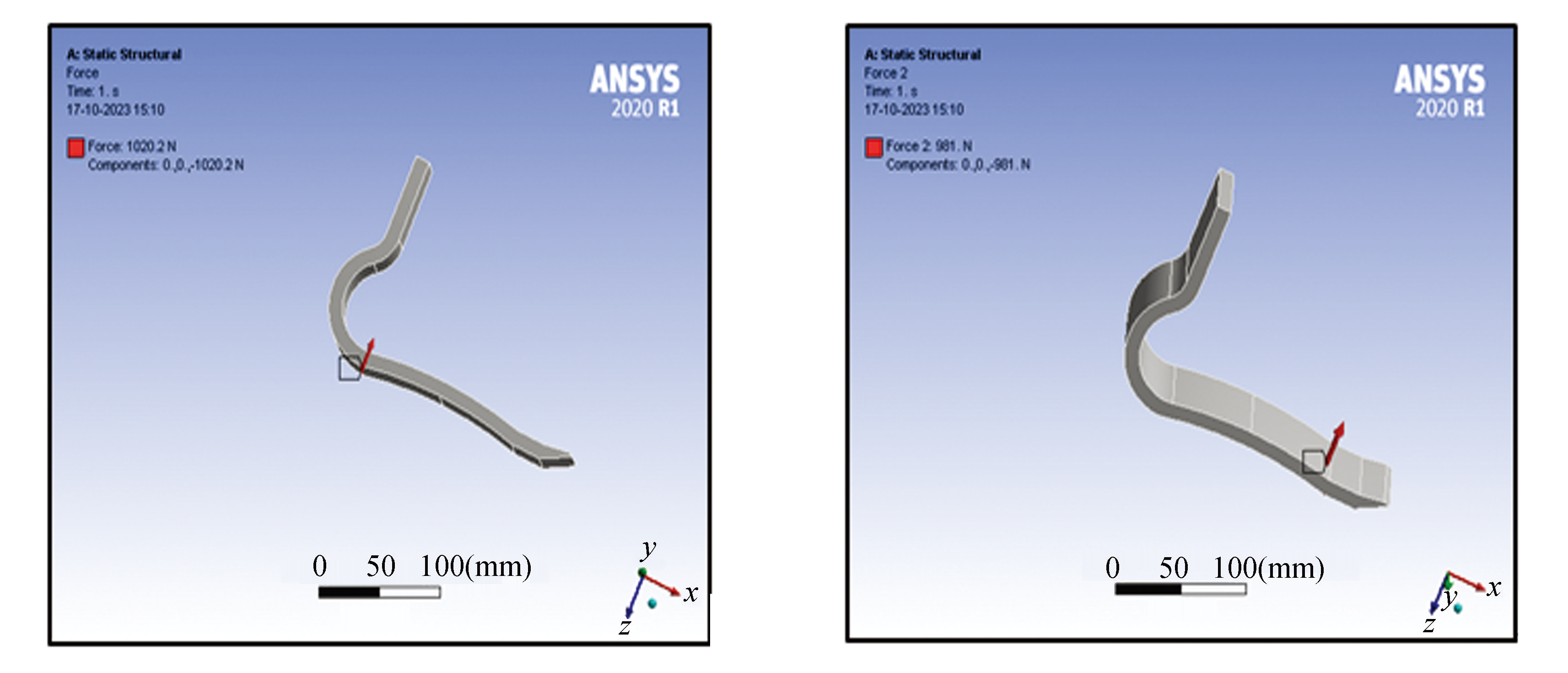
Fig.7Forces applied on the foot
From Figs.8-10, it can be seen that the maximum equivalent stress occurs at the heel region, and at the same time, maximum directional deformation occurs at the toe region. It is because during the heel strike phase to the toe-off phase, it almost covers the two extreme peaks of the vertical force component, i.e. the reaction force of the ground on the foot, as it is the primary contact area with the ground during these gait phases.Thus, the concentrated force in this heel area leads to increased stress in the respective portion. On the other hand, during the forward locomotion of the body, a gradual transfer of weight occurs from the heel to the toe region contributing to the increased deformation in that toe region. Also, the flexibility requirements of the toe area to accommodate the motion could contribute to the larger deformation.
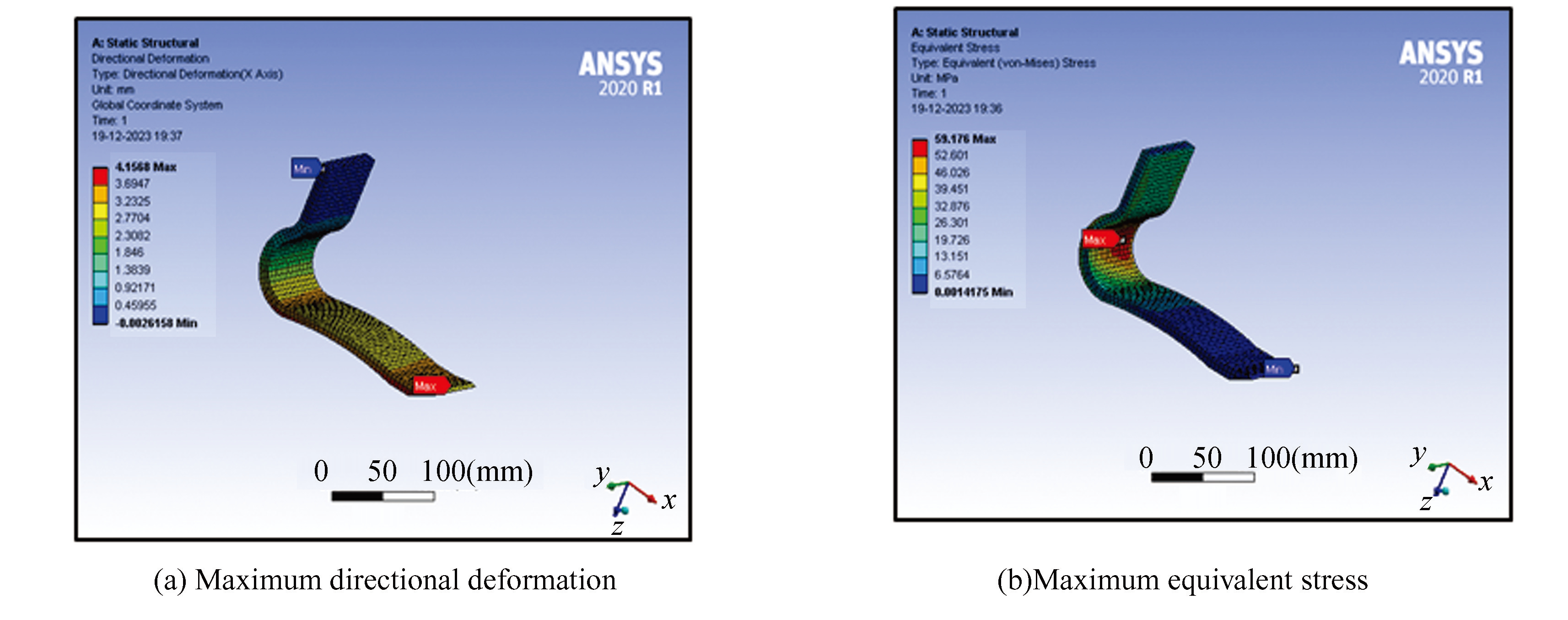
Fig.8ANSYS simulation results for 1.0 wt.% FG-GPL
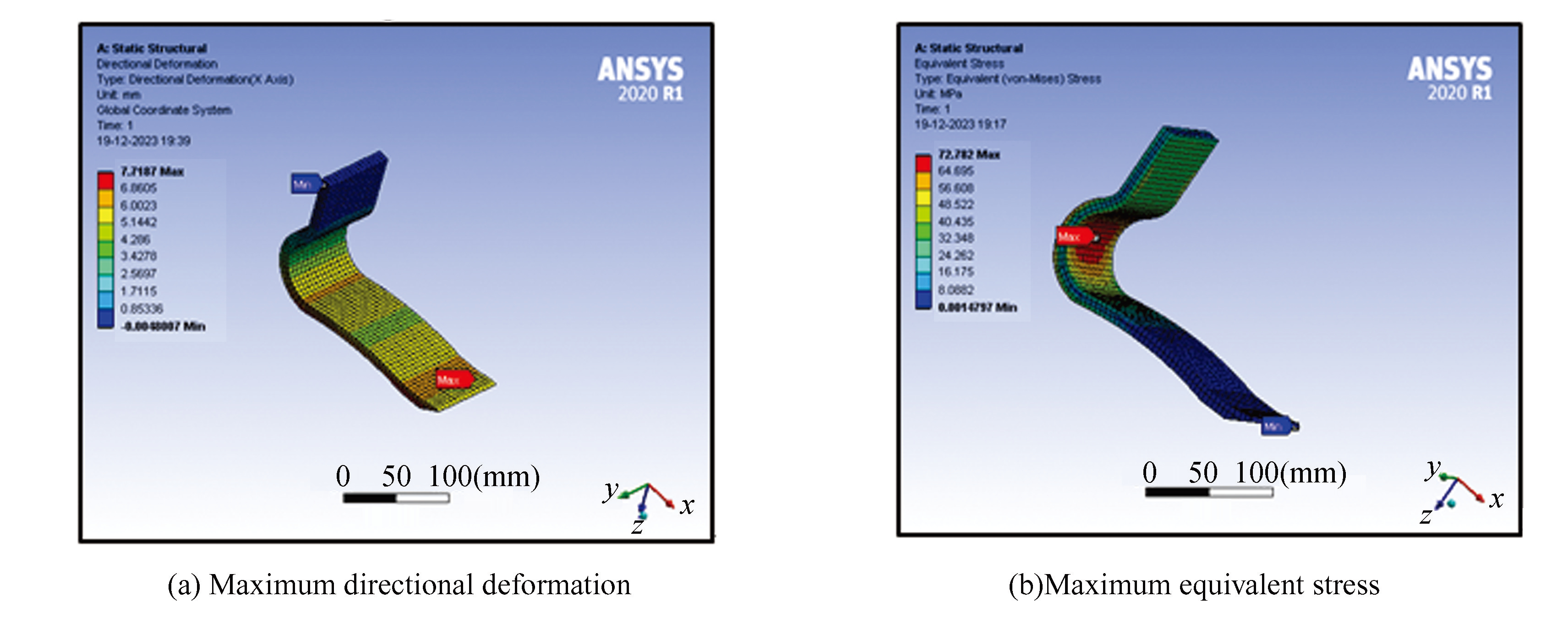
Fig.9ANSYS simulation results for 1.5 wt.% FG-GPL
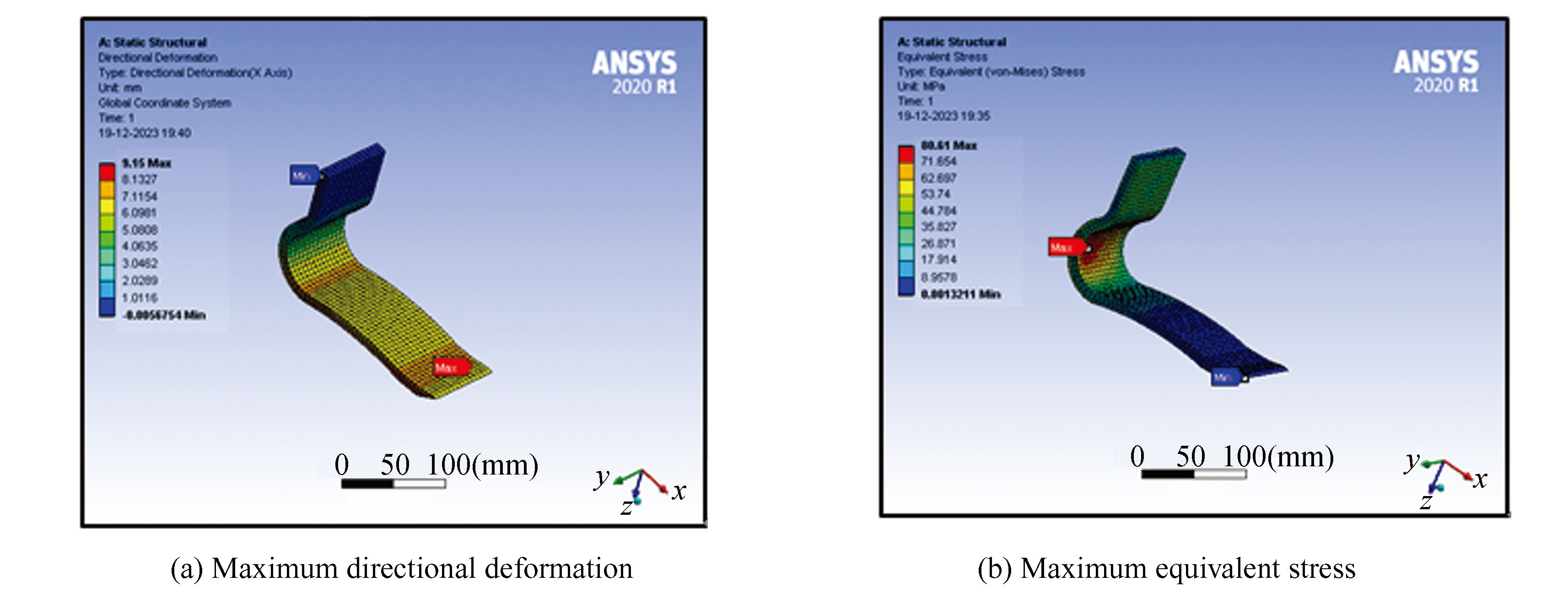
Fig.10ANSYS simulation results for 2.0 wt.% FG-GPL
3 Results and Discussion
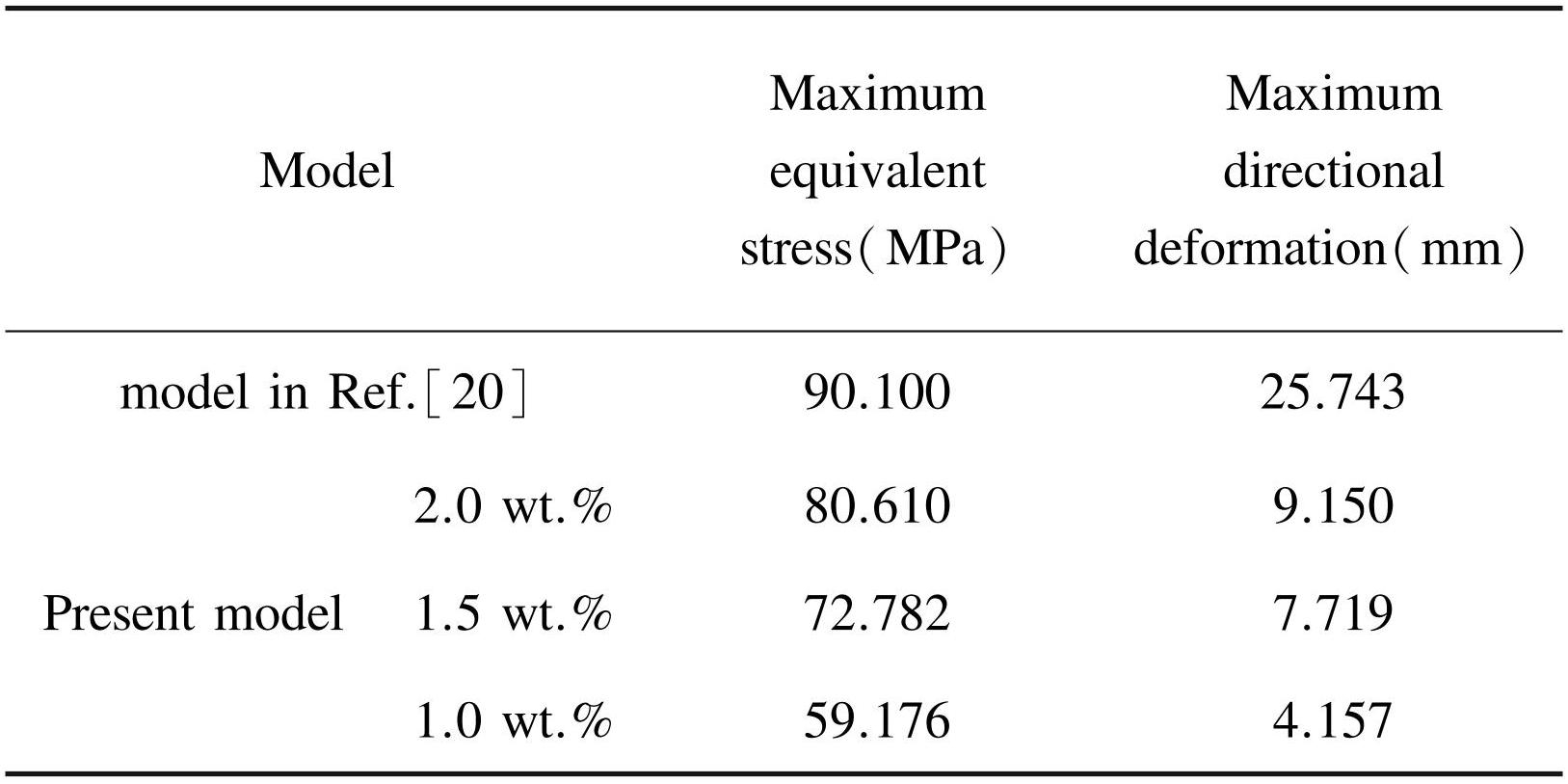
The obtained results are compared with the acceptable results of stress and strain limits for the specific geometry to ensure the safety and durability of the present design model. Table3 presents the results obtained from the ANSYS simulation for each fraction of nano-fillers, along with the results of the reference model. The mentioned design is found to be satisfied with the proposed filler content and gradation pattern.The main objective of the current analysis is to design a prosthetic foot where the results show the reduction in the maximum equivalent stress and maximum directional deformation as compared with the existing prescribed model from Ref.[20].
Fig.11 represents the maximum equivalent stress and maximum directional deformation. As the GPL nano filler content decreases from 2 wt. % to 1 wt. %, both stress and deformation show a consistent downward trend-dropped by approximately 34.04 % and 78.48 % respectively, in the present model.
Table3The results of the ANSYS simulation
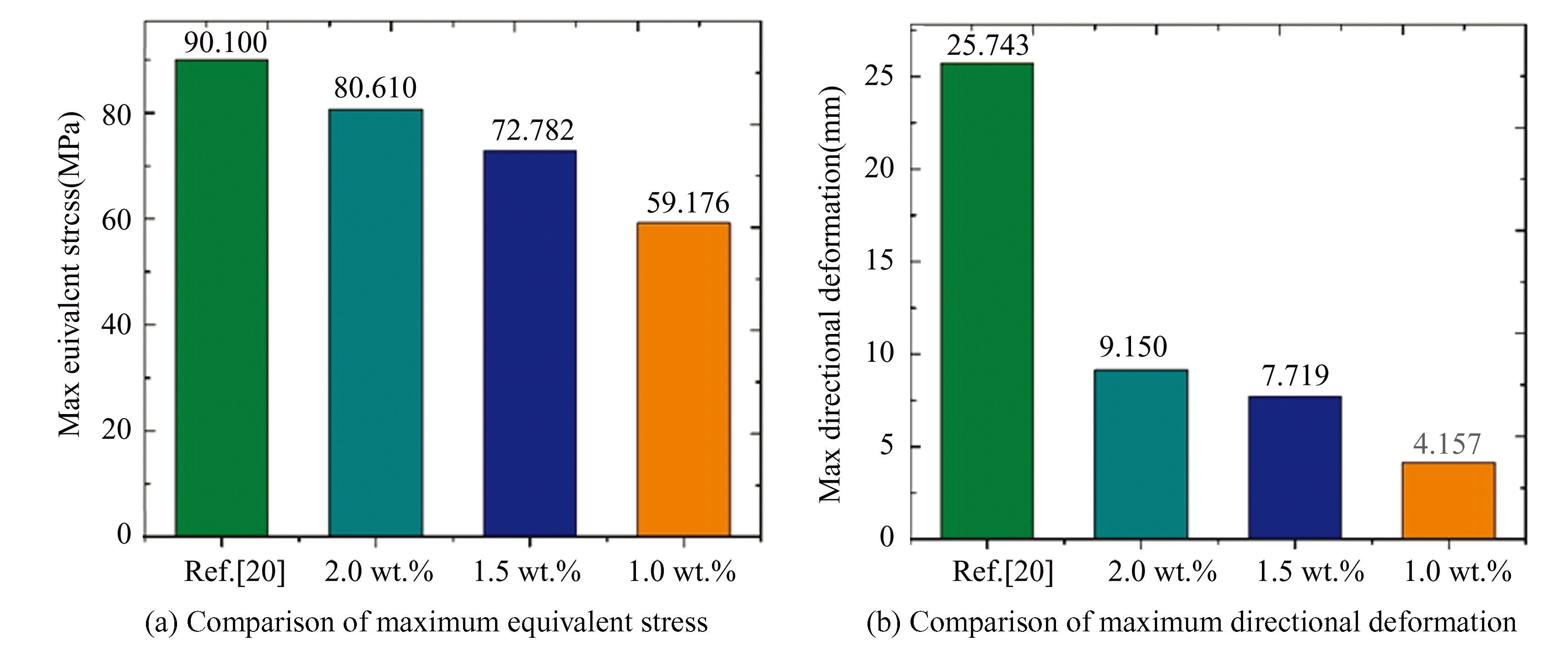
Replication of natural mobility, and better responsiveness of the wearer's to movements, could be addressed by reducing directional deformation. Also from an energy expenditure point of view, a prosthetic foot is designed to reduce the maximum directional deformation that could benefit the user in requiring less effort to move, which in turn improves the endurance and less fatigue for the prosthetic wearer.
Minimizing the maximum equivalent stress reduces the risk of structural failure, wear, and tear, otherwise improving the durability of the designed prosthetic foot for long-term use. It also reduces the pressure sores of the user and provides more comfort, making daily activities less painful.
4 Conclusions
The present sudy focuses on the benefits provided by the FE analysis of prosthetic foot based on the proposed material constituents to characterize the performance parameters, such as stress-induced, deformation, etc., and to understand its superior adaptability in the biomedical field. In this paper, stress-strain analysis of the present model reinforced with nano GPL is done.It is found that the equivalent stress is reduced by 10.53% at 2.0 wt.%, besides, and further decreases by 34.32% at 1.0 wt.%, whereas the directional deformation is reduced by 64.45% at 2.0 wt.%and by 83.85% at 1.0 wt.% comparied with the reference model. In the same way, another advantageous aspect lies in the higher Young's modulus that indicates higher material stiffness or resistance to elastic deformation. Compared with the pre-existed model available in the literature, the proposed material in the analysis with lower density ofters advantages for applications, where weight reduction is a major priority factor.
Hence, the present study is found to be useful in analyzing the proposed model for enhancing the flexibility, longevity, and making wearer movements more comfortable. The use of the proposed advanced material with a functionally graded structure provides the possibility of manufacturing tough and lightweight prosthetic feet.
